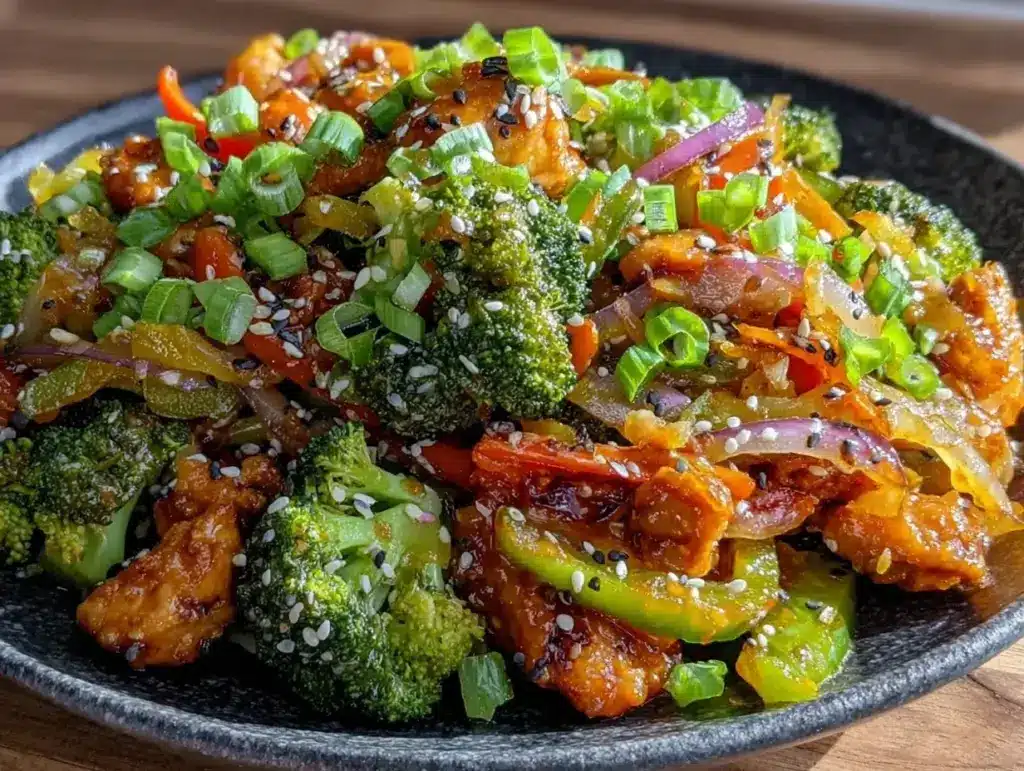
It was 5:15 PM on a Tuesday, and I was staring at the fridge with that specific, hollow-eyed panic that only a working parent knows. The kids were already asking “what’s for dinner?” with that annoyingly cheerful tone they use when they know they’re right. I had maybe twenty minutes before my husband walked through the door, and my brain was completely fried from a day of back-to-back meetings. I didn’t want takeout (again). I didn’t want to spend an hour chopping fancy garnishes. I just wanted something hot, something that didn’t involve a mountain of dirty dishes, and ideally, something that wouldn’t make me feel guilty about eating it.
That’s exactly when this Healthy Chicken and Vegetable Stir Fry was born out of necessity. It wasn’t planned. It was a scavenger hunt through the crisper drawer and the spice rack. I threw together whatever veggies were left—bell peppers, broccoli, snap peas—and paired them with the rotisserie chicken I’d bought on Sunday. The result? A vibrant, savory, genuinely delicious meal that hit the table in under 20 minutes. It’s become my go-to answer for “5pm and nothing planned.” It’s fast, it’s healthy, and honestly? It tastes better than most of the takeout I’ve ordered this year.
I’ve tested this stir fry version about a dozen times since that chaotic Tuesday. I’ve tweaked the sauce, adjusted the heat, and figured out exactly which veggies hold up best without turning into mush. This isn’t some complicated chef-y technique. It’s real food, made with real ingredients, in the time it takes to watch half an episode of your favorite show. If you’re tired of the weeknight dinner slump, this is your new best friend.
Why You’ll Love This Recipe
Look, I get it. You’re tired. Your kids are hungry. The last thing you want is another complicated recipe that requires eight different spices you don’t have and a shopping trip you don’t need. This Healthy Chicken and Vegetable Stir Fry works because it respects your time and your pantry. Here’s why it’s earned a permanent spot in my weekly rotation:
- It’s Actually Fast — Seriously. From pulling the chicken out of the fridge to plating dinner, it’s 20 minutes. That’s it. The chicken cooks in 5 minutes. The veggies take 7. The sauce? Two minutes. I’ve made this on nights when I got home late and it still saved the evening.
- One Pan Cleanup — This is the biggest win for me. I cook the chicken in my wok or large skillet, remove it, cook the veggies in the same pan, add the sauce, and toss it all back in. That’s one pan. One. If I’m feeling extra lazy, I even use the same bowl to mix the sauce. You can thank me later when you’re not scrubbing three pots and pans.
- Pantry-Friendly Sauce — You probably have everything for the sauce already. Soy sauce, ginger, garlic, a little honey or brown sugar, and sesame oil. If you’re missing one thing, swap it out. It’s forgiving. I once made this with just soy sauce and vinegar because I was out of ginger, and it still tasted amazing.
- High Protein, Low Stress — I use rotisserie chicken to skip the marinating and cooking time, but you can use raw chicken breast if you have 10 extra minutes. Either way, you’re getting a solid protein punch that keeps you full without the heavy, carb-loaded feeling of a noodle bowl. It’s lighter, but still satisfying.
- Kids Will Actually Eat It — My son usually picks at dinner, but he loves the sweet-savory sauce on the broccoli and carrots. The veggies are cut into bite-sized pieces, so they’re easy to eat, and the sauce coats everything nicely. It’s a sneaky way to get extra vegetables on the table without the usual negotiation.
This recipe is my lifeline on busy nights. It’s reliable, it’s quick, and it makes me feel like a competent human being even when I’m running on fumes. Plus, it’s versatile enough that I can switch up the veggies depending on what’s on sale or what’s in season. It’s my answer to the 5pm crisis, every single time.
Ingredients You’ll Need
Here’s the best part: this recipe relies on ingredients you likely already have or can grab easily on the way home. I’m not asking for exotic spices or hard-to-find produce. Here’s what I use and why:
For the Chicken and Veggies
Chicken Breast (1.5 lbs / 680g) — I use boneless, skinless chicken breasts, cut into bite-sized strips. They cook fast and soak up the sauce well. If you’re in a rush, use a store-bought rotisserie chicken, shredded or chopped. It saves even more time and adds great flavor. I love using leftover end-of-summer grilled chicken for this when I have some in the fridge.
Broccoli Florets (2 cups / 150g) — Cut into small, bite-sized pieces. They add crunch and nutrition. Don’t skip them; they’re the backbone of this stir fry.
Red Bell Pepper (1 large) — Sliced into strips. Adds sweetness and color. I use red because it’s sweeter than green, which balances the savory sauce. Yellow or orange work too.
Carrots (2 medium) — Julienne or matchstick cut. They add a nice snap and natural sweetness. If you’re not a fan of raw carrot texture, slice them thinly so they cook faster.
Snap Peas or Snow Peas (1 cup / 60g) — These add a fresh, crisp texture that contrasts with the softer veggies. They cook in seconds, so add them late in the process.
Green Onions (4-5 stalks) — Chopped, whites and greens separated. The whites go in early for flavor; the greens go on top for garnish and freshness.
For the Sauce
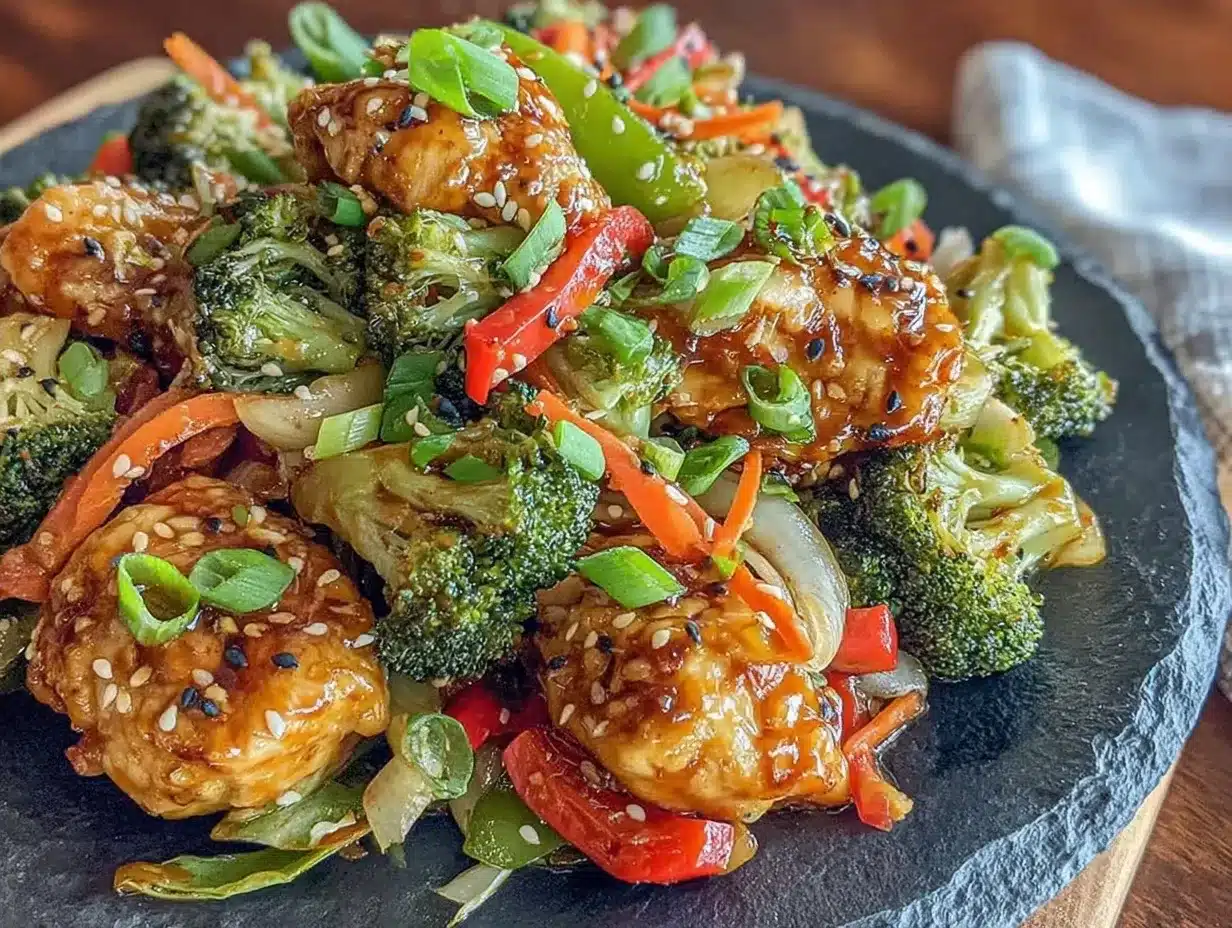
Soy Sauce (3 tablespoons) — I use low-sodium soy sauce so I can control the saltiness. Regular soy sauce works, but you might want to skip adding extra salt. Tamari is a great gluten-free option.
Chicken Broth (¼ cup / 60ml) — Adds volume and depth to the sauce without adding fat. Vegetable broth works for a vegetarian version.
Rice Vinegar (1 tablespoon) — Adds a subtle acidity that brightens the whole dish. If you don’t have rice vinegar, white wine vinegar or a splash of lemon juice works in a pinch.
Honey or Brown Sugar (1 tablespoon) — Balances the salty soy sauce with a touch of sweetness. Honey gives it a nice floral note, while brown sugar adds a deeper molasses flavor. I usually use honey because it’s in the pantry.
Garlic (3 cloves, minced) — Fresh garlic is non-negotiable. It gives the sauce that aromatic punch. Jarred garlic just doesn’t have the same brightness.
Fresh Ginger (1 teaspoon, grated) — Or ½ teaspoon ground ginger if you’re out of fresh. Fresh ginger adds a warm, spicy kick that makes this taste restaurant-quality.
Cornstarch (1 tablespoon) — This is what thickens the sauce. Mix it with a little cold water or broth to create a slurry before adding it to the pan. It ensures a glossy, clingy sauce.
Sesame Oil (1 teaspoon) — Adds that classic nutty aroma. Use toasted sesame oil for the best flavor. Just a little goes a long way.
Red Pepper Flakes (½ teaspoon, optional) — For a little heat. I add this if I want a kick, but leave it out for the kids.
For Cooking
Vegetable or Canola Oil (2 tablespoons) — For frying the chicken and veggies. I use a neutral oil with a high smoke point. Olive oil works, but it can smoke at high heat.
Equipment Needed
You don’t need a fancy setup for this. Here’s what I actually use:
Large Skillet or Wok — I use a 12-inch stainless steel skillet or a carbon steel wok. It needs to be big enough to toss everything without steaming. A wok is ideal because the sloped sides help with tossing, but a large skillet works just fine.
Sharp Knife — For slicing the chicken and veggies. A dull knife is dangerous and makes prep harder. I keep a good chef’s knife sharp.
Small Bowl — For mixing the sauce. I usually use the same small bowl I use to hold the chopped green onions.
Wooden Spoon or Spatula — For stirring and tossing. Silicone works too, but I prefer wood for non-stick pans.
Measuring Spoons — For the sauce. Precision matters here for the balance of sweet and salty.
How to Make It: Step-by-Step
Alright, let’s make this! I’m walking you through exactly how I do it, including the little tricks I’ve picked up over time. It’s simple, but the order matters.
Step 1: Prep Your Chicken and Veggies (5-8 minutes)
Before you turn on the stove, get everything prepped. Cut the chicken breast into uniform bite-sized strips. This ensures they cook evenly. Slice the bell pepper, julienne the carrots, and trim the broccoli into florets. Mince the garlic and grate the ginger. Mix your sauce ingredients (soy sauce, broth, vinegar, honey, garlic, ginger, sesame oil, and red pepper flakes) in a small bowl. Set aside. Having everything ready means you won’t be scrambling while the pan is hot.
Step 2: Cook the Chicken (5 minutes)
Heat 1 tablespoon of oil in your large skillet or wok over medium-high heat. Once the oil shimmers, add the chicken strips in a single layer. Don’t crowd the pan! If your pan is small, cook in batches. Let the chicken cook undisturbed for 2-3 minutes to get a nice sear, then flip and cook for another 2-3 minutes until cooked through. Remove the chicken to a clean plate and set aside. Don’t clean the pan yet; we’ll use that flavorful residue.
Step 3: Sauté the Veggies (5-7 minutes)
Add the remaining 1 tablespoon of oil to the same pan. Add the carrots and broccoli first, as they take the longest to cook. Stir-fry for 2-3 minutes. Then add the bell peppers and snap peas. Cook for another 2-3 minutes until the veggies are tender-crisp. You want them to still have a bite to them. Add the white parts of the green onions and stir for 30 seconds. If you’re using raw chicken instead of rotisserie, you’d add the veggies after removing the chicken, but since we’re pre-cooked, we’re just warming them through and getting that char.
Step 4: Make the Sauce Thick (2 minutes)
Give your sauce mixture a good stir—the cornstarch settles at the bottom. Pour the sauce into the pan with the veggies. It will bubble and start to thicken almost immediately. Stir constantly for about 1-2 minutes. The sauce should become glossy and coat the back of a spoon. If it’s too thick, add a splash of water. If it’s too thin, let it cook for another minute.
Step 5: Combine and Finish (2 minutes)
Return the cooked chicken (and any juices on the plate) to the pan. Toss everything together until the chicken is coated in the sauce and heated through. Taste and adjust seasoning. Need more salt? Add a splash of soy sauce. Want it sweeter? A teaspoon of honey. Want more heat? More red pepper flakes. Serve immediately, topped with the green onion tops.
Total Time: About 20 minutes (8 minutes active prep, 12 minutes cooking)
Expert Tips & Tricks
Here’s everything I’ve learned from making this dozens of times. These tips will save you from my mistakes.
Don’t Overcrowd the Pan
This is the #1 mistake people make. If you put too much chicken or veggies in the pan at once, they steam instead of fry. You want that Maillard reaction—the browning that adds flavor. Cook in batches if you have to. It’s worth the extra 2 minutes.
Cut Veggies Uniformly
Keep your carrot and pepper strips the same size. This ensures even cooking. I use a mandoline for carrots if I’m feeling fancy, but a knife works fine. Consistency is key.
Hot Pan, Cold Ingredients
Make sure your pan is hot before adding oil and food. If the pan isn’t hot enough, the food sticks and steams. Wait until you see a little smoke rising from the oil before adding the chicken.
Use a Cornstarch Slurry
Always mix the cornstarch with cold liquid before adding it to the hot sauce. If you add dry cornstarch to the pan, it will clump. I mix it into the sauce bowl before I start cooking.
Rotisserie Chicken Hack
Using leftover rotisserie chicken saves 10 minutes of cooking time and adds great flavor. I often use leftover grilled chicken for this, which fits perfectly into the stir fry vibe.
Variations & Substitutions
Once you’ve nailed the basic version, here’s how you can mix it up. I’ve tried all of these.
Protein Swaps
Use shrimp instead of chicken—cook it for just 2-3 minutes. Or try tofu for a vegetarian option. Press firm tofu, cube it, and pan-fry it until crispy before adding the veggies. I also love using kung pao chicken techniques with peanuts and extra heat for a different twist.
Veggie Variations
Use whatever veggies you have. Zucchini, mushrooms, bok choy, bean sprouts, or even leftover roasted vegetables work great. I add mushrooms whenever they’re on sale. They soak up the sauce like a sponge.
Sauce Adjustments
Want it spicy? Add sriracha or fresh chili slices. Want it sweeter? Increase the honey. Want it less salty? Use less soy sauce and more broth. The sauce is flexible.
Gluten-Free
Use tamari instead of soy sauce and ensure your cornstarch is gluten-free (it usually is). This is naturally gluten-free with that swap.
Dairy-Free
This recipe is already dairy-free. Just double-check your soy sauce and broth labels.
Serving & Storage
How to Serve:
I serve this straight from the pan, but it’s great over steamed jasmine rice, brown rice, or cauliflower rice. I also love it with soba noodles or even just on its own if I’m keeping it light. Top with sesame seeds and extra green onions for a nice finish.
Side Dishes:
Simple steamed rice is the classic pairing. I also like it with a side of crispy baked zucchini tots if I want to sneak in more veggies. A simple cucumber salad with rice vinegar dressing is refreshing alongside it.
Storage:
Store leftovers in an airtight container in the fridge for up to 3 days. The veggies might soften a bit, but the flavor stays good.
Reheating:
Reheat in a skillet over medium heat with a splash of water or broth to loosen the sauce. Microwave works too, but the texture won’t be as good. Add a splash of water when microwaving to keep it moist.
Freezing:
I don’t recommend freezing this. The veggies get mushy when thawed. It’s best eaten fresh.
Nutrition Information
I’m not a nutritionist, but here’s the breakdown if you’re tracking. This is per serving (based on 4 servings), using chicken breast and brown rice.
Per Serving:
- Calories: 320
- Protein: 28g
- Carbs: 25g
- Fiber: 4g
- Sugar: 8g
- Fat: 12g
- Sodium: 650mg
It’s high in protein and packed with veggies. The sodium comes from the soy sauce, so use low-sodium if you’re watching salt. It’s a balanced, satisfying meal that won’t weigh you down.
Final Thoughts
So that’s my go-to Healthy Chicken and Vegetable Stir Fry! I’ve probably talked your ear off at this point, but when you make a recipe this often, you have a lot to say about it. This has saved weeknight dinners more times than I can count. It’s my answer to “what’s for dinner” when I’m tired, don’t want takeout, and still want something that tastes really good. My kids are happy, my husband’s happy, and I’m happy because I’m not stressed about cooking.
Make it yours! Try different add-ins, swap in your favorite vegetables, adjust the sauce to your taste. The best recipes are the ones you adapt to your family’s tastes. If you make this, drop a comment and let me know what you think! I love hearing how recipes turn out in your kitchen. And if something doesn’t work, tell me that too—I’m here to help troubleshoot.
Happy cooking! And I hope your kitchen smells half as good as mine does right now.
Frequently Asked Questions
Can I use frozen vegetables?
Yes, but you need to thaw them first and pat them dry. Frozen veggies release a lot of water, which can make your stir fry soupy. If you use them straight from frozen, you’ll need to cook them longer, and they might get mushy. Fresh or thawed and dried is best.
Why did my sauce turn out watery?
This usually happens if you didn’t cook the sauce long enough after adding the cornstarch slurry, or if your veggies released too much water. Make sure to cook the sauce for 1-2 minutes after adding it to thicken it. Also, don’t overcrowd the pan when cooking veggies, or they’ll steam and release water.
Can I make this ahead for meal prep?
You can prep the veggies and sauce ahead, but cook the chicken and stir-fry fresh. The veggies will get soggy if you store them mixed in the sauce. I chop all the veggies on Sunday and store them in containers. Then, when it’s time to cook, it takes 10 minutes.
What kind of rice goes best with this?
Jasmine rice is the classic choice. It’s fragrant and slightly sticky, which pairs well with the sauce. Brown rice is a healthier option and has a nuttier flavor. Cauliflower rice is great for a low-carb version. I usually make a big batch of rice on Sunday for the week.
Can I use chicken thighs instead of breast?
Absolutely. Chicken thighs are juicier and more flavorful. Just make sure to cut them into bite-sized pieces and cook them until they’re no longer pink. They take about the same amount of time as breast, maybe a minute longer.
Is this recipe spicy?
Not by default. The red pepper flakes are optional. I add them if I want a kick, but the base recipe is savory and sweet. You can control the heat by adjusting the amount of red pepper flakes or adding sriracha.
How do I get the chicken to be tender?
The key is not to overcook it. Chicken breast cooks fast. Once it’s white and cooked through, remove it from the pan. If you leave it in while cooking the veggies, it can get dry. That’s why I cook it first, remove it, then add it back at the end.
Pin This Recipe!
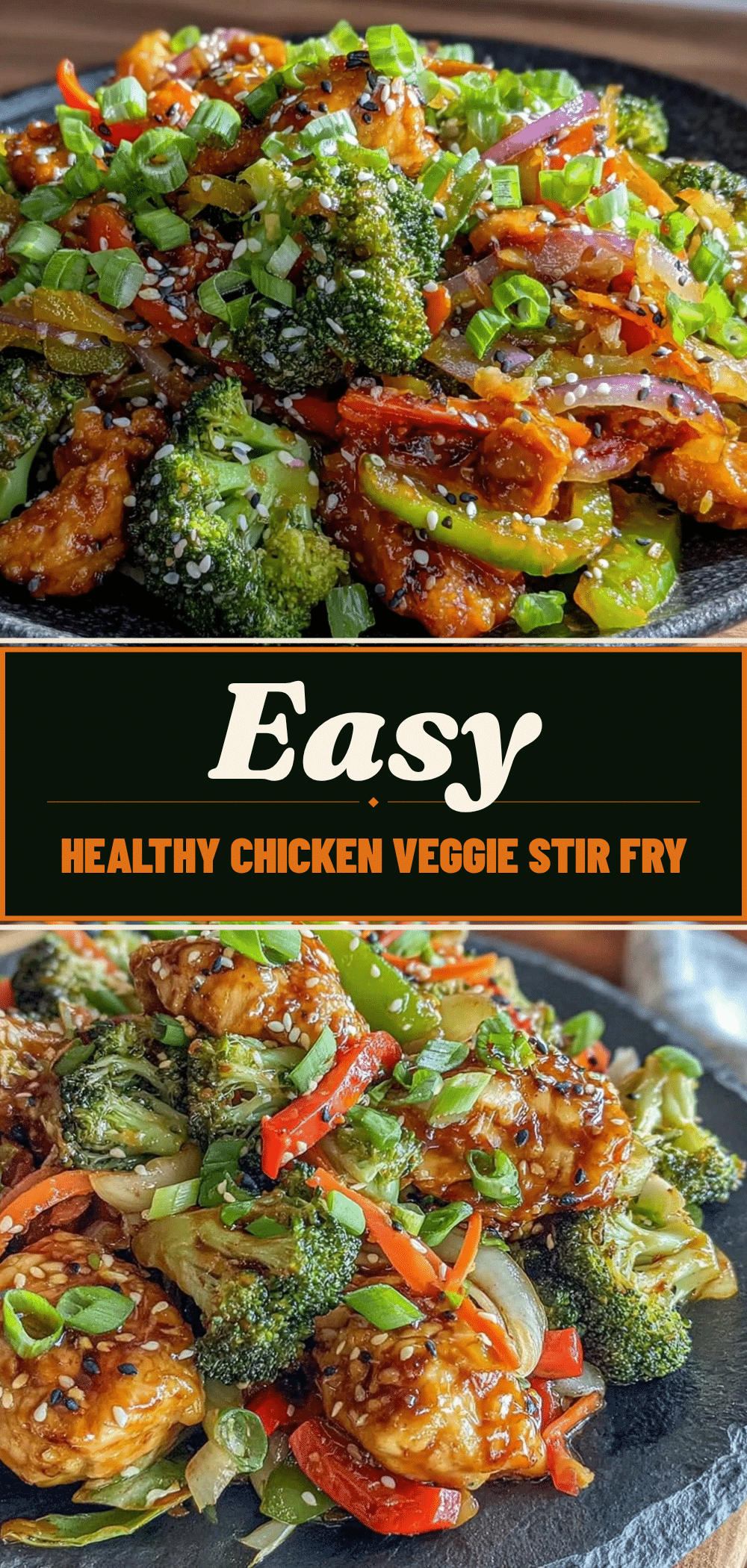
Healthy Chicken and Vegetable Stir Fry: Quick Weeknight Dinner
- Total Time: 20 minutes
- Yield: 4 servings 1x
Description
A fast, healthy, and savory stir fry made with chicken and fresh vegetables in a sweet-savory sauce. Ready in under 20 minutes with minimal cleanup.
Ingredients
- 1.5 lbs boneless, skinless chicken breast, cut into bite-sized strips
- 2 cups broccoli florets, cut into small pieces
- 1 large red bell pepper, sliced into strips
- 2 medium carrots, julienned or matchstick cut
- 1 cup snap peas or snow peas
- 4–5 stalks green onions, chopped (whites and greens separated)
- 3 tablespoons soy sauce (low-sodium or tamari for gluten-free)
- 1/4 cup chicken broth (or vegetable broth)
- 1 tablespoon rice vinegar
- 1 tablespoon honey or brown sugar
- 3 cloves garlic, minced
- 1 teaspoon fresh ginger, grated
- 1 tablespoon cornstarch
- 1 teaspoon toasted sesame oil
- 1/2 teaspoon red pepper flakes (optional)
- 2 tablespoons vegetable or canola oil
Instructions
- Prep ingredients: Cut chicken into strips, slice peppers, julienne carrots, trim broccoli, mince garlic, and grate ginger.
- Mix sauce ingredients (soy sauce, broth, vinegar, honey, garlic, ginger, sesame oil, red pepper flakes) in a small bowl. Mix cornstarch into the sauce to create a slurry.
- Heat 1 tablespoon oil in a large skillet or wok over medium-high heat. Add chicken strips in a single layer and cook undisturbed for 2-3 minutes until seared. Flip and cook another 2-3 minutes until cooked through. Remove chicken to a plate.
- Add remaining 1 tablespoon oil to the same pan. Add carrots and broccoli, stir-frying for 2-3 minutes. Add bell peppers and snap peas, cooking another 2-3 minutes until tender-crisp. Add white parts of green onions and stir for 30 seconds.
- Pour the sauce mixture into the pan with the veggies. Stir constantly for 1-2 minutes until the sauce bubbles and thickens to a glossy consistency.
- Return the cooked chicken and any juices to the pan. Toss everything together until coated and heated through. Taste and adjust seasoning if needed.
- Serve immediately, topped with green onion tops.
Notes
Do not overcrowd the pan to ensure proper searing and avoid steaming. Cut vegetables uniformly for even cooking. Ensure the pan is hot before adding oil. Use a cornstarch slurry to thicken the sauce. Rotisserie chicken can be used to save time. Store leftovers in an airtight container in the fridge for up to 3 days. Do not freeze as vegetables will become mushy.
- Prep Time: 8 minutes
- Cook Time: 12 minutes
- Category: Main Course
- Cuisine: Asian
Nutrition
- Serving Size: 1 serving (approx. 1
- Calories: 320
- Sugar: 8
- Sodium: 650
- Fat: 12
- Saturated Fat: 2
- Carbohydrates: 25
- Fiber: 4
- Protein: 28
Keywords: healthy chicken stir fry, quick weeknight dinner, one pan meal, rotisserie chicken recipe, gluten-free stir fry, low stress dinner, high protein meal