I have a confession to make. For years, I was a Kung Pao chicken snob. Not the good kind of snob, but the expensive kind. You know the type—you’d spend $20 on a takeout container of “spicy chicken” that turned out to be a sad, soggy mixture of rubbery chicken pieces, limp green onions, and enough MSG to preserve a small town. It was salty, it was oily, and it left me feeling sluggish rather than satisfied.
Then, three years ago, I had a late-night craving that hit me like a freight train. I was staring at the delivery menu, frustrated by the lack of crunch and the weird, gelatinous texture of the sauce, when I decided to just… make it myself. I had peanuts in the pantry, a half-empty bottle of Chinkiang vinegar, and a chicken breast that needed using. I threw together a batch of what I thought would be mediocre stir-fry.
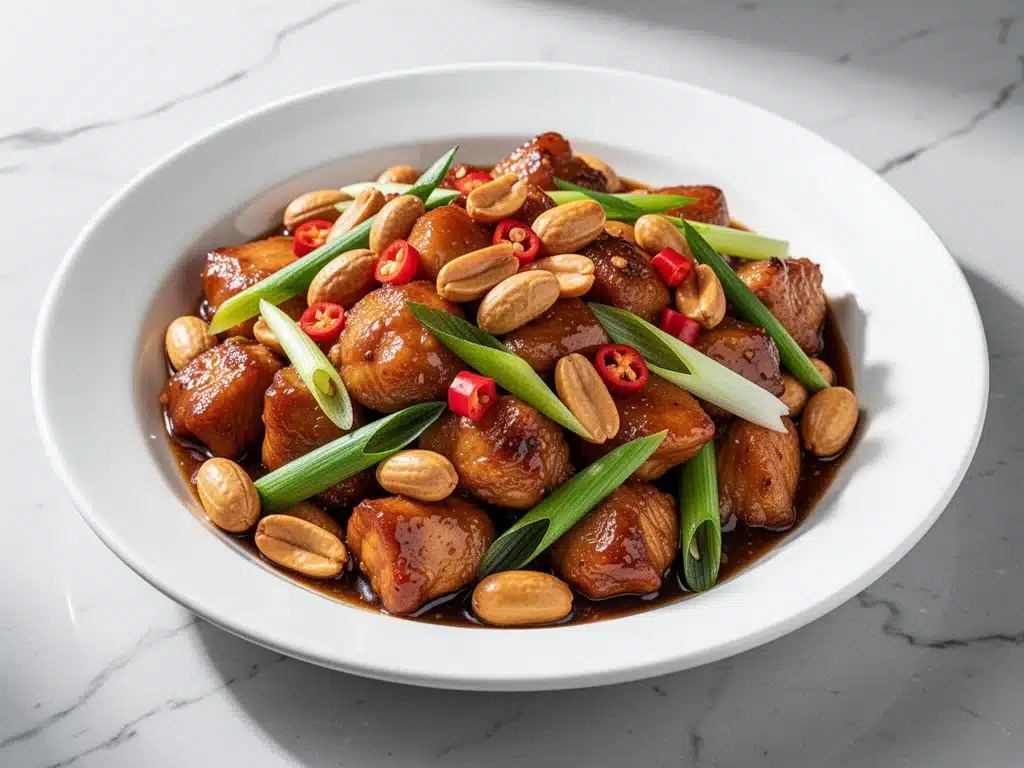
Fifteen minutes later, I was standing over the stove, tasting a piece of chicken that was crispy, chewy, and coated in a glossy, complex sauce that hit every single flavor note at once: sweet, savory, sour, and spicy. The peanuts were still crunchy. The green onions had retained their bite. It was better than takeout. It was actually restaurant-quality.
I’ve made this Restaurant-Style Kung Pao Chicken at least fifty times since that night. I’ve tweaked the sauce ratios, tested different cuts of meat, and even argued with my husband about whether Sichuan peppercorns are “necessary” (spoiler: they are). What I’ve landed on is a recipe that takes just 30 minutes from start to finish but delivers that deep, restaurant-style flavor without the grease or the guilt.
If you’re tired of paying premium prices for subpar Chinese food, or if you just want to impress your friends with a dish that looks and tastes like it came from a bustling kitchen in Chengdu, this is the one. It’s easier than you think, and once you master the sauce, you’ll never order takeout again.
Why This Kung Pao Chicken Recipe Is Worth Your Time
I know what you’re thinking. “Stir-fry? That sounds like a chore.” But here’s the thing: this Restaurant-Style Kung Pao Chicken is actually one of the most relaxing dinners you can make. There’s no standing over a hot stove for an hour. It’s fast, it’s loud, and it smells incredible.
Here’s why this recipe has completely taken over our weeknight rotation:
- It’s Actually Fast — We’re talking 10 minutes of chopping and 15 minutes of cooking. That’s it. If you can chop a chicken breast and whisk a sauce, you can make this. I’ve made it on nights when I was too tired to think, and it saved dinner.
- The Sauce Is the Star — Most people think Kung Pao is just “spicy chicken.” It’s not. It’s a balance of five flavors: sweet, sour, salty, spicy, and numbing (from the peppercorns). Once you get this ratio right, you can use this sauce for anything—shrimp, tofu, beef. It’s a universal key.
- Texture Matters — This isn’t mushy. The chicken is velveted (more on that later) so it’s silky smooth. The peanuts are toasted so they crunch. The green onions are chopped coarse so they snap. Every bite has a different texture.
- It’s Better Than Takeout — I’m not being dramatic. No MSG bombs, no weird preservatives, just real food. Plus, it’s cheaper. A good takeout order runs $18-$25. This costs about $10-$12 for a family-sized portion.
- Leftovers Are Legendary — I know, I know, stir-fry isn’t supposed to reheat well. But Kung Pao chicken actually tastes better the next day because the flavors have had time to meld. I pack this for lunch almost every week.
This is my go-to when I want something that feels fancy but doesn’t require a fancy chef’s degree. It’s bold, it’s flavorful, and it’s ridiculously easy.
Ingredients You’ll Need for Restaurant-Style Kung Pao Chicken
Before we get to the stove, let’s talk ingredients. I’m particular about a few of these because they make the difference between “good” and “restaurant-quality.”
For the Chicken and Marinade
Chicken thighs or breasts (1.5 lbs / 680g) — I prefer boneless, skinless chicken thighs for their juiciness, but breasts work fine if you don’t overcook them. Cut into 1-inch cubes. Uniform size is key so everything cooks evenly.
Shaoxing wine (1 tablespoon / 15ml) — This is Chinese cooking wine. It adds depth and removes any “gamey” chicken smell. If you can’t find it, dry sherry is a decent substitute, but don’t skip this step.
Soy sauce (1 tablespoon / 15ml) — Use regular, not low-sodium. You need that saltiness to balance the sweet.
Cornstarch (1 teaspoon / 5g) — This is the “velveting” secret. It coats the chicken and keeps it tender. It’s what gives you that silky restaurant texture.
White pepper (½ teaspoon) — Don’t use black pepper. White pepper has a distinct, earthy heat that is essential to this dish. You can find it in the Asian aisle of most grocery stores.
For the Kung Pao Sauce
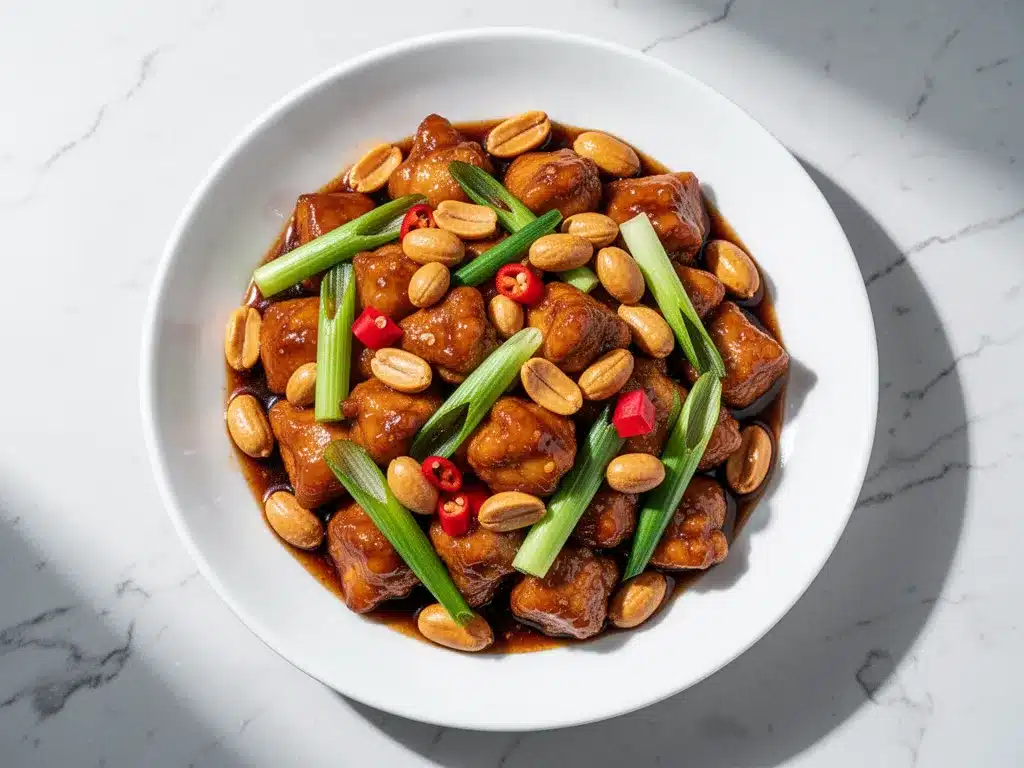
Chinkiang vinegar (2 tablespoons / 30ml) — This is black vinegar with a smoky, malty flavor. It’s not the same as balsamic, though they share some notes. If you absolutely can’t find it, rice vinegar with a splash of balsamic is a last-resort swap, but Chinkiang is non-negotiable for authenticity.
Light soy sauce (2 tablespoons / 30ml) — For salinity without darkening the sauce too much.
Dark soy sauce (1 teaspoon / 5ml) — Just a teaspoon. This is for color, not flavor. It gives that deep, glossy brown look.
Sugar (1 tablespoon / 15g) — White sugar works, but brown sugar adds a nice molasses note that pairs well with the vinegar.
Chicken broth (2 tablespoons / 30ml) — Low sodium is best so you can control the saltiness.
For the Stir-Fry
Dried red chilies (6-8 whole) — This is where the heat lives. Use Sichuan dried chilies if you can find them; they have a fruity, smoky heat. Regular red pepper flakes work, but they lack that complexity.
Sichuan peppercorns (1 teaspoon) — These provide the “ma” (numbing) sensation. Toast them lightly in a dry pan for 30 seconds to release their oils. If you’re sensitive to this, you can skip them, but you’ll lose a key flavor dimension.
Peanuts (½ cup / 70g) — Unsalted, raw or roasted. I like to toast them myself for extra crunch, but store-bought roasted works fine.
Green onions (4-5 stalks) — Use the white parts for cooking and the green parts for garnish. Chop them into 1-inch pieces.
Garlic and Ginger (1 tablespoon each, minced) — Fresh is mandatory. No jarred stuff here. The ratio should be equal; you want the ginger to shine.
Neutral oil (2-3 tablespoons) — I use avocado oil or vegetable oil. Peanut oil is traditional but has a strong flavor that might overpower the dish.
Equipment Needed
You don’t need a wok, but it helps. Here’s what I actually use:
Wok or Large Skillet — A 12-inch non-stick skillet works perfectly if you don’t have a wok. The key is having enough surface area so the chicken sears instead of steams.
Sharp Knife — For dicing the chicken and chopping green onions. A dull knife will mash the chicken and make uneven pieces.
Mixing Bowls — Small bowls for the marinade and the sauce. Mise en place is crucial in stir-frying because things move fast.
Wooden Spoon or Spatula — For stirring. Silicone works too, but wood holds heat better.
Small Skillet for Toasting — To toast the peanuts and peppercorns. This step is optional but highly recommended for maximum flavor.
How to Make It: Step-by-Step
Alright, let’s cook. This is where the magic happens.
Step 1: Marinate the Chicken (10 minutes)
In a medium bowl, combine the cubed chicken, Shaoxing wine, 1 tablespoon soy sauce, cornstarch, and white pepper. Mix well until the chicken is coated and slightly sticky. Let it sit for at least 10 minutes. This step, called “velveting,” ensures the chicken stays tender and juicy.
Step 2: Make the Sauce
In a small bowl, whisk together the Chinkiang vinegar, light soy sauce, dark soy sauce, sugar, chicken broth, and 1 teaspoon of cornstarch. Whisk until the sugar and cornstarch are fully dissolved. Set aside. You’ll need this ready to go because you won’t have time to measure while cooking.
Step 3: Prep the Aromatics
Chop the green onions, mince the garlic and ginger, and measure out your dried chilies and toasted peanuts. Have everything within arm’s reach. Stir-frying takes seconds; you don’t want to be digging for ingredients while the chicken is cooking.
Step 4: Toast the Peanuts and Peppercorns
In a small dry skillet over medium heat, toast the Sichuan peppercorns for 1-2 minutes until fragrant. Remove and set aside. In the same pan, toast the peanuts for 3-4 minutes until golden and crunchy. Remove and set aside. This step releases their essential oils and adds a layer of flavor you can’t get from raw nuts.
Step 5: Sear the Chicken
Heat 2 tablespoons of oil in your wok or skillet over high heat. Once the oil is shimmering, add the chicken in a single layer. Don’t crowd the pan! Cook for 2-3 minutes without moving it, letting it get a nice golden sear. Then stir-fry for another 2-3 minutes until cooked through. Remove the chicken from the pan and set aside on a plate.
Step 6: Bloom the Spices
Reduce heat to medium. Add a splash more oil if needed. Add the dried chilies and Sichuan peppercorns. Stir for 30 seconds until the chilies darken slightly and the kitchen smells spicy. Be careful not to burn them.
Step 7: Aromatics and Combine
Add the garlic, ginger, and the white parts of the green onions. Stir-fry for 30 seconds until fragrant. Return the cooked chicken to the pan. Pour in the sauce mixture. It will bubble and thicken almost instantly.
Step 8: Finish and Serve
Toss everything together for 1 minute until the sauce coats the chicken and vegetables. Turn off the heat. Stir in the toasted peanuts and the green parts of the green onions. Serve immediately over steamed rice or noodles.
Expert Tips & Tricks
Here’s everything I’ve learned from making this dozens of times. These tips will save you from my mistakes.
Don’t Skip the Cornstarch — The cornstarch in the marinade creates a barrier that seals in moisture. Without it, your chicken will be dry. Trust me.
High Heat is Non-Negotiable — Stir-frying requires high heat to get that “wok hei” (breath of the wok) flavor. If your pan isn’t hot enough, your chicken will steam. Preheat your pan for at least 2 minutes before adding oil.
Toast Your Peanuts — Raw peanuts in a stir-fry feel sad. Toasted peanuts add crunch and nuttiness that elevates the entire dish.
Balance Your Sauce — Taste your sauce before pouring it in. It should be slightly sweeter than you like, because the soy sauce and vinegar will balance it out. If it’s too salty, add a splash more broth. If it’s too sour, add a pinch more sugar.
Cut Uniformly — Cut your chicken into 1-inch cubes. Too small, and they overcook. Too large, and they don’t absorb the sauce. Consistency is key for even cooking.
Variations & Substitutions
Once you’ve nailed the basic version, here’s how you can mix it up. I’ve tried all of these.
Shrimp Kung Pao — Swap chicken for large shrimp. Cook them for just 2 minutes in Step 5; they cook very fast. The sauce works perfectly with seafood.
Vegetarian Kung Pao — Use firm tofu instead of chicken. Press the tofu, cube it, and pan-fry it until crispy before adding it back in. Add extra veggies like bell peppers, celery, or zucchini.
Mild Version — Skip the Sichuan peppercorns and use only 2-3 dried chilies. You’ll still get flavor, just less heat and numbing.
Gluten-Free — Use tamari instead of soy sauce, and ensure your Chinkiang vinegar is gluten-free (most are, but check the label). Use cornstarch, which is naturally gluten-free.
Add Veggies — I often add diced bell peppers or broccoli florets. Add them in Step 6 with the aromatics. They add color and nutrition without changing the flavor profile.
Serving & Storage
How to Serve — I usually serve this straight from the wok with a side of steamed jasmine rice. The rice is essential to soak up the sauce. A simple cucumber salad on the side cuts through the richness perfectly.
Leftovers — Store in an airtight container in the fridge for up to 3 days. The sauce will thicken as it cools, which is normal.
Reheating — Reheat in a skillet over medium heat with a splash of water or broth to loosen the sauce. Microwave works but can make the peanuts soggy, so I prefer the skillet method.
Freezing — This doesn’t freeze well. The texture of the chicken changes, and the peanuts lose their crunch. Make it fresh for best results.
Nutrition Information
I’m not a nutritionist, but here’s the breakdown if you’re tracking. This is per serving (based on 4 servings with rice):
- Calories: 450
- Protein: 28g
- Carbs: 35g
- Fat: 22g
- Fiber: 3g
It’s higher in fat due to the peanuts and oil, but the protein is substantial. If you want to lighten it up, use less oil and skip the peanuts. But honestly? The peanuts are worth the calories.
Final Thoughts
So that’s my go-to Restaurant-Style Kung Pao Chicken! I’ve probably talked your ear off at this point, but when you make a recipe this often, you have a lot to say about it.
This has saved weeknight dinners more times than I can count. It’s my answer to “what’s for dinner” when I’m tired, don’t want takeout, and still want something that tastes really good. My kids are happy, my husband’s happy, and I’m happy because I’m not stressed about cooking.
Make it yours! Try different add-ins, swap in your favorite vegetables, adjust the garlic (though more is always better in my opinion). The best recipes are the ones you adapt to your family’s tastes.
If you make this, drop a comment and let me know what you think! I love hearing how recipes turn out in your kitchen. And if something doesn’t work, tell me that too—I’m here to help troubleshoot.
Happy cooking! And I hope your kitchen smells half as good as mine does right now.
Frequently Asked Questions
Can I use chicken breasts instead of thighs?
Yes! Chicken breasts work fine, but they’re leaner, so be careful not to overcook them. I recommend using a meat thermometer to ensure they reach 165°F (74°C) but no higher. Thighs are more forgiving and stay juicier.
What is Sichuan peppercorn? Do I have to use it?
Sichuan peppercorns provide a unique numbing sensation (called “ma”) that is essential to authentic Kung Pao chicken. They taste like lemon and pine. If you can’t find them, you can skip them, but the dish will taste different. You can buy them online or in Asian markets.
Can I make this ahead of time?
You can prep the chicken and sauce ahead of time, but don’t cook it until you’re ready to eat. The chicken will get tough if it sits in the marinade for too long (more than 24 hours). The sauce can be made up to 3 days in advance.
Why is my sauce too thin?
This usually happens if you didn’t use enough cornstarch in the sauce, or if the chicken released too much water. Make sure to pat the chicken dry before marinating, and use the correct ratio of cornstarch to liquid in your sauce.
Can I freeze Kung Pao chicken?
I don’t recommend it. The texture of the chicken changes, and the peanuts become soggy. It’s best enjoyed fresh. If you must freeze, freeze the chicken and sauce separately, but the quality will suffer.
What kind of rice goes best with this?
Jasmine rice is the classic pairing. Its floral aroma complements the spicy, savory sauce perfectly. Short-grain sushi rice also works if you prefer a stickier texture.
Pin This Recipe!
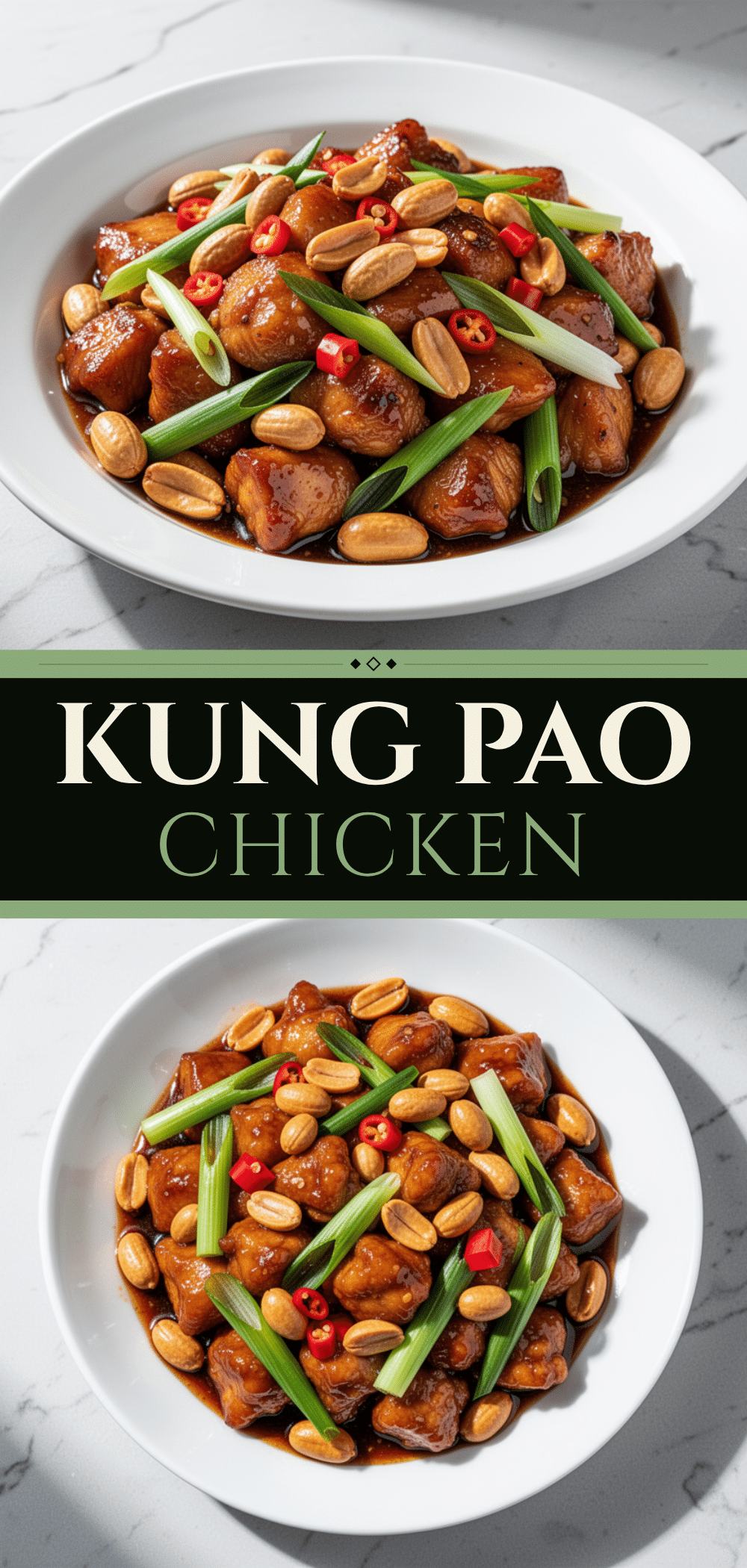
Restaurant-Style Kung Pao Chicken: 30-Min Easy Stir Fry
- Total Time: 30 minutes
- Yield: 4 servings 1x
Description
A fast, restaurant-quality Kung Pao chicken recipe that balances sweet, sour, salty, spicy, and numbing flavors. This stir-fry features velvety chicken, crunchy peanuts, and a glossy sauce, ready in just 30 minutes.
Ingredients
- 1.5 lbs boneless, skinless chicken thighs or breasts, cut into 1-inch cubes
- 1 tablespoon Shaoxing wine (or dry sherry)
- 1 tablespoon regular soy sauce
- 1 teaspoon cornstarch (for marinade)
- 1/2 teaspoon white pepper
- 2 tablespoons Chinkiang vinegar (black vinegar)
- 2 tablespoons light soy sauce
- 1 teaspoon dark soy sauce
- 1 tablespoon sugar (white or brown)
- 2 tablespoons chicken broth (low sodium)
- 1 teaspoon cornstarch (for sauce)
- 6–8 dried red chilies (Sichuan dried chilies preferred)
- 1 teaspoon Sichuan peppercorns
- 1/2 cup unsalted peanuts (raw or roasted)
- 4–5 stalks green onions, chopped
- 1 tablespoon garlic, minced
- 1 tablespoon ginger, minced
- 2–3 tablespoons neutral oil (avocado or vegetable)
Instructions
- In a medium bowl, combine cubed chicken, Shaoxing wine, 1 tablespoon soy sauce, 1 teaspoon cornstarch, and white pepper. Mix until coated and let sit for 10 minutes to marinate.
- In a small bowl, whisk together Chinkiang vinegar, light soy sauce, dark soy sauce, sugar, chicken broth, and 1 teaspoon cornstarch until dissolved. Set aside.
- Chop green onions, mince garlic and ginger, and measure out chilies and peanuts. Keep all ingredients within arm’s reach.
- In a small dry skillet over medium heat, toast Sichuan peppercorns for 1-2 minutes until fragrant. Remove and set aside. In the same pan, toast peanuts for 3-4 minutes until golden and crunchy. Remove and set aside.
- Heat 2 tablespoons oil in a wok or large skillet over high heat. Add chicken in a single layer and sear for 2-3 minutes without moving. Stir-fry for another 2-3 minutes until cooked through. Remove chicken and set aside.
- Reduce heat to medium. Add a splash of oil if needed. Add dried chilies and toasted Sichuan peppercorns. Stir for 30 seconds until fragrant but not burnt.
- Add garlic, ginger, and white parts of green onions. Stir-fry for 30 seconds until fragrant. Return chicken to the pan.
- Pour in the sauce mixture. Toss everything together for 1 minute until the sauce bubbles and thickens.
- Turn off heat. Stir in toasted peanuts and green parts of green onions. Serve immediately over steamed rice or noodles.
Notes
Velveting the chicken with cornstarch ensures a tender texture. High heat is essential for proper stir-frying. Toasting the peanuts and peppercorns enhances flavor. The dish tastes better the next day as flavors meld. Do not freeze as texture suffers.
- Prep Time: 10 minutes
- Cook Time: 15 minutes
- Category: Main Course
- Cuisine: Chinese
Nutrition
- Serving Size: 1 serving with steam
- Calories: 450
- Sugar: 12
- Sodium: 850
- Fat: 22
- Saturated Fat: 3
- Carbohydrates: 35
- Fiber: 3
- Protein: 28
Keywords: Kung Pao Chicken, Stir Fry, Chinese Food, Easy Dinner, Sichuan Cooking, Restaurant Style, Spicy Chicken, Weeknight Meals