I still remember the first time I had pad thai that actually made me stop chewing and think. I was in a tiny, plastic-chair-only spot in Bangkok, the kind of place where the ceiling fans wobble and the air smells like frying garlic and charcoal. The vendor tossed noodles in a wok so hot it looked like a small sun, and the smell hit me from across the street. It was tangy, sweet, savory, and crunchy all at once. I ate it standing up, sweating in the humidity, and I knew right then that I had to recreate that magic at home.
For years, I tried. I bought those little packets from the Asian market that tasted like salty cardboard. I watched videos that promised restaurant secrets but ended with noodles that were either mushy or raw. I burned garlic. I overcooked shrimp. I made a mess that required three trips to the grocery store. But last week, after tweaking the sauce balance for the tenth time, I nailed it. This restaurant-style pad thai with tangy tamarind sauce is finally ready to share.
It’s the kind of dish that turns a tired Tuesday into a celebration. It’s fast—like, 30 minutes fast. It’s flexible, which means you can use whatever proteins or veggies you have. And it tastes so good that my husband actually asked if we could order takeout or if I’d just make this again. (Spoiler: He got the homemade version, and he’s been asking for it every week since.) If you’re craving that authentic street food flavor without the takeout price tag or the grease hangover, this is your recipe.
Why You’ll Love This Recipe
There are plenty of stir-fry recipes out there, but this pad thai hits a different note. It’s not just another chicken and broccoli stir-fry with soy sauce. It’s complex, vibrant, and deeply satisfying. Here’s why this has become my absolute go-to when I need dinner to feel special but I only have 30 minutes to make it.
- It’s Faster Than Takeout — Seriously. From chopping to plating, this takes about 30 minutes. By the time you order Uber Eats, wait for the driver, and eat, you’ve spent an hour. This is ready when you’re hungry.
- Customizable to the Core — Got shrimp? Great. Chicken? Love it. Tofu? Perfect. Vegetarian? Done. I’ve made this for my seafood-loving sister and my tofu-preferring friend, and both versions were incredible. The sauce ties it all together.
- The Sauce is the Star — Most pad thai recipes fail because the sauce is too sweet or too salty. This one balances the tang of tamarind with the sweetness of palm sugar (or brown sugar) and the saltiness of fish sauce. It’s the perfect harmony of flavors.
- Uses Leftover Veggies — That half-bag of carrots wilting in the crisper? Those two eggs about to expire? The frozen peas you forgot about? Throw them in. Pad thai is a fantastic way to clear out your fridge before the weekend.
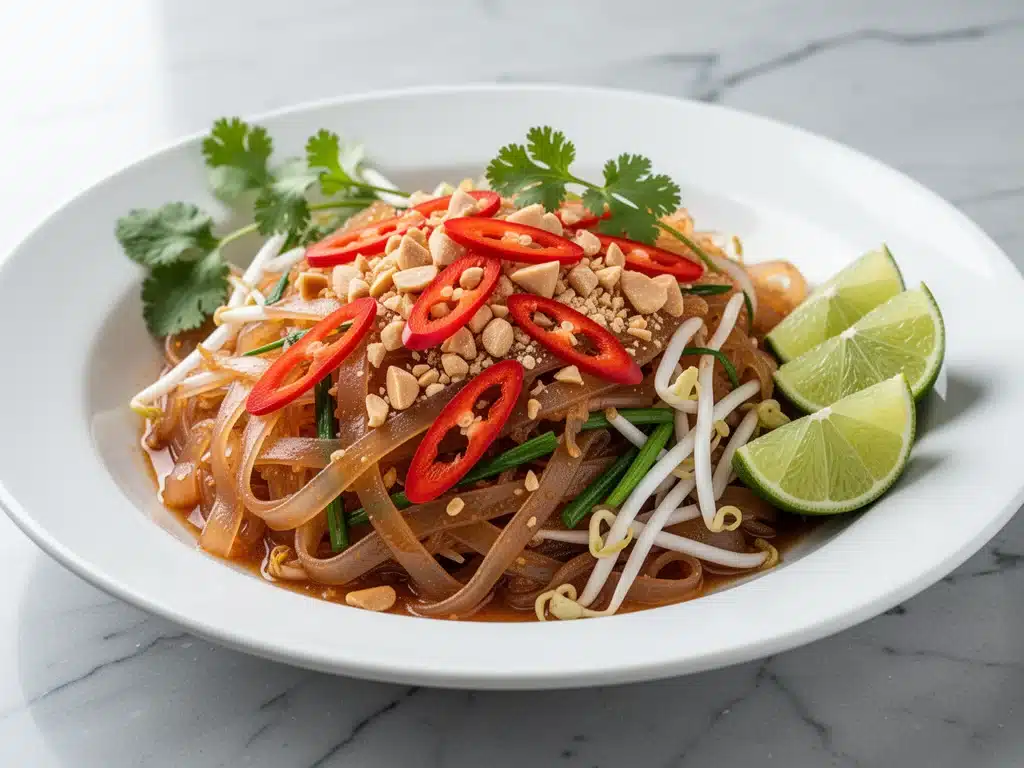
- Crunchy Toppings Matter — I’m obsessed with the texture contrast. Soft noodles, crisp bean sprouts, crunchy peanuts, and a squeeze of lime. It’s not just food; it’s an experience. It’s why healthy chicken and vegetable stir-fry is also popular, but this has that specific Thai flair that sets it apart.
This recipe has saved me from the “what’s for dinner?” panic more times than I can count. It’s reliable, delicious, and makes your kitchen smell like a Thai street market (in the best way).
Ingredients You’ll Need
One thing I want to address upfront: pad thai ingredients can seem intimidating if you’ve never cooked Thai food before. But I promise, most of this is pantry staples or things you can find at any major grocery store in the international aisle. I’m going to break down exactly what you need and why it matters.
For the Noodles
Rice Noodles (Flat, Medium Width) (8 oz / 225g) — Look for the package that says “Pad Thai noodles” or “Mee Hokkien.” They should be flat, about 1/4 inch wide. Do not use thin vermicelli (those are for spring rolls) or wide udon (those are for soups). Brands like Mae Ploy or Thai Kitchen work well. If you can’t find rice noodles, rice spaghetti is a backup, but the texture won’t be quite right.
For the Tangy Tamarind Sauce
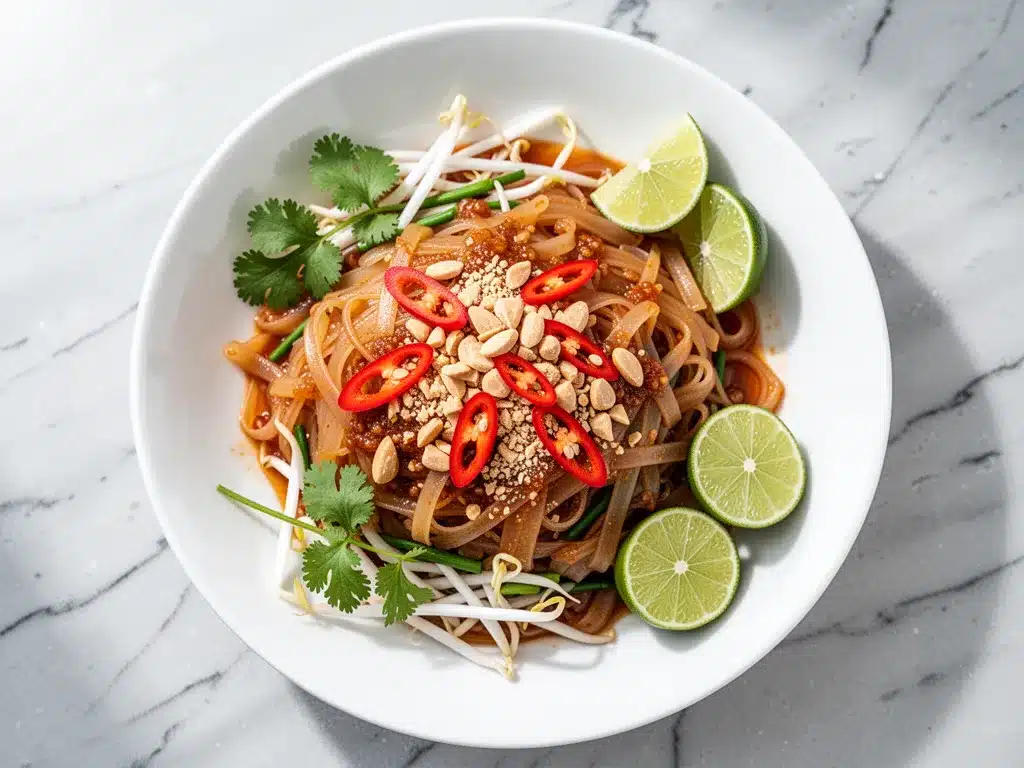
Tamarind Paste (3 tablespoons / 45g) — This is the non-negotiable ingredient. It gives pad thai its signature sourness. Buy the block form or the concentrated paste in the tube. Do not use tamarind concentrate from a juice box. If you absolutely cannot find tamarind, use 2 tablespoons of lime juice plus 1 tablespoon of rice vinegar, but the flavor will be different.
Fish Sauce (3 tablespoons / 45ml) — This adds the salty, umami depth. It smells strong out of the bottle, but it cooks down and doesn’t taste fishy in the final dish. Brands like Red Boat or Squid Brand are high quality. For a vegetarian version, use soy sauce or tamari, but you’ll lose some complexity.
Palm Sugar (2 tablespoons / 30g) — Traditional pad thai uses palm sugar, which has a caramel-like, molasses flavor. You can substitute dark brown sugar if you can’t find palm sugar. White sugar will work in a pinch, but it lacks that depth.
Rice Vinegar (1 tablespoon / 15ml) — Adds brightness and helps balance the sweetness. Do not use apple cider vinegar or white distilled vinegar; they’re too harsh.
Garlic (4 cloves, minced) — Fresh garlic is key. Do not use jarred garlic if you can help it. It tastes metallic and dulls the fresh flavor.
Red Chili Flakes (1 teaspoon) — For a little heat. Adjust to your spice tolerance. I like it with a kick, but start with less if you’re sensitive.
For the Stir-Fry
Protein (1 lb / 450g) — I usually use a mix. Shrimp and chicken work great together. Or just stick to one. Tofu (firm or extra-firm, pressed and cubed) is excellent for a vegetarian version. If you’re using shrimp, devein them. If using chicken, slice it thinly against the grain so it cooks fast and stays tender.
Eggs (2 large) — Beaten. These add richness and help bind the noodles. Scramble them directly in the wok.
Bean Sprouts (2 cups, divided) — Fresh is best. Half goes in the wok for crunch, half goes on top as a garnish. If you can’t find fresh bean sprouts, use shredded cabbage, but it won’t be the same.
Green Onions (3 stalks, sliced) — White parts for cooking, green parts for garnish.
Carrots (1 medium, julienned or julienned with a peeler) — Adds sweetness and color. Thin strips cook faster.
Crushed Peanuts (1/2 cup) — For garnish. Roasted, unsalted peanuts are best. You can pulse them in a food processor for a finer texture, or leave them chunky. This crunch is essential.
Lime (1 large, cut into wedges) — For serving. The acid cuts through the richness of the sauce and noodles.
Vegetable Oil (2-3 tablespoons) — For frying. I use canola or grapeseed oil because they have a high smoke point. Sesame oil is too low-heat for this; use it only as a finishing drizzle if you want.
Substitutions & Notes
If you’re avoiding fish sauce, use soy sauce or tamari. If you’re vegan, skip the eggs and use tofu. If you don’t have tamarind, use lime juice and a bit more vinegar. It won’t be authentic, but it’ll still be tasty. I’ve also used mediterranean shrimp skillet techniques to get great sear on shrimp, which works here too.
Equipment Needed
You don’t need a fancy wok, but you do need a pan that gets hot and stays hot. Here’s what I use.
Large Wok or Skillet — I use a 14-inch carbon steel wok. It’s lightweight, heats evenly, and has high sides that make tossing easy. If you don’t have a wok, a 12-inch cast iron skillet or a large stainless steel skillet works. Just make sure it’s big enough to hold all the noodles without overcrowding. Overcrowding steams the noodles instead of frying them, and that’s how you get mush.
Large Bowl — For soaking the noodles. A 4-quart bowl is ideal.
Measuring Spoons and Cups — For the sauce. Consistency is key, so measure carefully.
Sharp Knife and Cutting Board — For prepping veggies and protein. A dull knife makes julienning carrots a nightmare.
Spatula or Tongs — A wide spatula is best for tossing noodles. Tongs work if you’re comfortable flipping.
Saucepan (Optional) — If you’re using tamarind paste, you might want a small saucepan to mix the sauce with a little hot water until it dissolves smoothly.
How to Make It: Step-by-Step
Alright, let’s cook. This recipe moves fast, so have everything prepped before you turn on the heat. This is called mise en place, and it’s the secret to stress-free stir-frying. I know it feels like extra work, but it’s worth it.
Step 1: Soak the Noodles
Place the dry rice noodles in a large bowl. Cover them with warm (not boiling) water. Let them soak for 20-30 minutes until they are soft and pliable but still have a bit of chew. Do not boil them! Boiling makes them mushy. Drain them well when they’re ready. If they’re too hard, soak longer. If they’re too soft, you’ve waited too long. They should feel like cooked spaghetti—flexible but not falling apart.
Step 2: Make the Sauce
In a small bowl or saucepan, combine the tamarind paste, fish sauce, palm sugar, rice vinegar, minced garlic, and red chili flakes. If using tamarind paste, add 2 tablespoons of hot water to help it dissolve. Whisk or stir until the sugar and tamarind are fully dissolved. Taste the sauce. It should be a balance of sour, sweet, and salty. Too sour? Add a bit more sugar. Too sweet? Add a splash of fish sauce or lime. Adjust to your liking.
Step 3: Prep the Protein and Veggies
While the noodles soak, slice your protein and chop your veggies. Julienne the carrots using a peeler or a knife. Slice the green onions. Beat the eggs. If using shrimp, pat them dry with paper towels—wet shrimp won’t sear well. If using tofu, press it first to remove excess water.
Step 4: Cook the Protein
Heat your wok or skillet over high heat until it’s smoking hot. Add 1 tablespoon of oil. Once the oil shimmers, add the protein. Cook until just done—shrimp will turn pink and opaque, chicken will be white and cooked through, tofu will be golden brown. Remove the protein from the wok and set it aside on a plate. Do not leave it in the wok, or it will overcook.
Step 5: Scramble the Eggs
Add another tablespoon of oil to the wok. Pour in the beaten eggs. Let them set for a few seconds, then scramble them with a spatula until just cooked. Break them into small curds. Remove the eggs and add them to the plate with the protein.
Step 6: Stir-Fry the Veggies
Add a little more oil if needed. Add the carrots and the white parts of the green onions. Stir-fry for 1-2 minutes until the carrots start to soften but still have crunch. Add the bean sprouts (half of them) and cook for 30 seconds. You want them warm but still crisp.
Step 7: Combine and Toss
Add the drained noodles to the wok. Pour the sauce over the noodles. Using tongs or a spatula, toss everything together. The noodles will absorb the sauce quickly. Add the cooked protein and eggs back into the wok. Toss gently to combine everything. Cook for 1-2 minutes until the noodles are heated through and coated in sauce. If the noodles seem dry, add a splash of water. If they’re too wet, cook a bit longer.
Step 8: Serve
Transfer the pad thai to serving plates or a large platter. Top with the remaining fresh bean sprouts, crushed peanuts, and green onion tops. Serve immediately with lime wedges on the side. Squeeze lime over your portion before eating—it brightens everything up.
Expert Tips & Tricks
I’ve made this recipe dozens of times, and I’ve learned a few things the hard way. Here’s how to avoid my mistakes and get restaurant-quality results.
- Don’t Boil the Noodles — I can’t stress this enough. Soaking in warm water is the only way to get that chewy, authentic texture. Boiling turns them to mush.
- High Heat is Non-Negotiable — Stir-frying needs high heat. If your pan isn’t hot enough, the noodles will stick and steam. Get that pan screaming hot before you add oil.
- Don’t Overcrowd the Pan — If you’re making a large batch, do it in two rounds. Overcrowding drops the temperature and leads to soggy noodles. Better to make two small batches than one big mess.
- Balance Your Sauce — Thai food is all about balance. Taste your sauce before you add it to the noodles. Adjust sugar, salt, and sourness until it hits all the notes.
- Use Fresh Ingredients — Fresh garlic, fresh ginger, fresh bean sprouts. Pre-minced garlic and wilted veggies will make your dish taste dull. Freshness matters.
- Toast the Peanuts — If you’re using raw peanuts, toast them in a dry pan for 2-3 minutes before crushing. It brings out the nutty flavor. Store-bought roasted peanuts are fine too.
- Keep it Moving — Stir-frying is fast. Keep the noodles and ingredients moving in the pan so they cook evenly and don’t burn.
Variations & Substitutions
One of the best things about pad thai is how adaptable it is. Here are some ways I like to mix it up.
Vegetarian Pad Thai — Skip the shrimp and chicken. Use extra tofu or edamame. Swap fish sauce for soy sauce or tamari. Use vegetable broth in the sauce if needed. It’s just as delicious.
Seafood Pad Thai — Use only shrimp, or add mussels and squid. Add the seafood at the very end so it doesn’t overcook. I love the sweetness of shrimp in this sauce.
Chicken Pad Thai — Slice chicken breast or thigh meat thinly. Cook it first, remove, then proceed. Chicken thighs stay juicier, but breast meat is leaner.
Veggie-Loaded — Add more veggies! Broccoli florets, bell peppers, mushrooms, or zucchini all work. Just make sure they’re cut small so they cook quickly. This is how I get my kids to eat more vegetables.
Gluten-Free — Rice noodles are naturally gluten-free. Just make sure your fish sauce and soy sauce (if using) are certified gluten-free. Most rice noodles are GF, but always check the label.
Dairy-Free — Pad thai is naturally dairy-free. No butter, no cream. Just oil, noodles, and veggies.
Spicy Pad Thai — Add more red chili flakes or a dash of sriracha to the sauce. Or serve with chili oil on top. I like it with a kick, but adjust to your taste.
Low-Carb Option — Swap rice noodles for zucchini noodles or shirataki noodles. The sauce will still cling to them, and it’s a lighter option. I’ve tried this with mediterranean chickpea salad techniques, but the texture is different. It’s not the same as real pad thai, but it works if you’re watching carbs.
Serving & Storage
Pad thai is best served immediately while the noodles are warm and the bean sprouts are crisp. Here’s how I like to serve it.
Serving Suggestions — Serve with lime wedges, crushed peanuts, and fresh cilantro. I also like a side of cucumber salad or a simple green salad to balance the richness. For a complete meal, I sometimes serve it with crispy air fryer home fries on the side, though that’s a bit heavy. A light salad is better.
Wine Pairing — I’m not a wine expert, but a crisp Riesling or a dry Gewürztraminer pairs well with the sweet and sour flavors. A light beer also works great.
Storage — Store leftovers in an airtight container in the fridge for up to 3 days. The noodles will absorb the sauce and become softer, which some people prefer. Reheat in a skillet with a splash of water or broth to loosen the noodles. Microwave works too, but add a splash of water and cover it to steam.
Freezing — I don’t recommend freezing pad thai. The noodles become mushy when thawed. It’s best made fresh. But if you must, freeze the sauce and protein separately, and cook fresh noodles when you’re ready to eat.
Meal Prep — You can prep the veggies and mix the sauce ahead of time. When you’re ready to cook, just toss everything in the wok. It saves time on busy nights.
Nutrition Information
I’m not a nutritionist, but here’s a rough estimate for one serving (based on 4 servings).
| Nutrient | Amount |
|---|---|
| Calories | 450 |
| Protein | 25g |
| Carbs | 60g |
| Fiber | 3g |
| Sugar | 12g |
| Fat | 12g |
| Sodium | 800mg |
This is comfort food, so it’s not a diet recipe. But it’s balanced with protein, carbs, and veggies. Use lean protein and less oil to lighten it up. Or just enjoy it as is—life’s too short to stress over every calorie.
Final Thoughts
So there you have it—my restaurant-style pad thai with tangy tamarind sauce. It’s a recipe I’ve refined over years of trial and error, and I’m so happy to share it with you. It’s fast, it’s flavorful, and it’s flexible enough to fit your dietary needs.
I hope this becomes a staple in your weeknight dinner rotation. It’s the kind of meal that makes you feel like a pro cook, even if you’re just following steps. And if you make it, I’d love to hear how it turns out. Drop a comment below and let me know what variations you tried.
Happy cooking! And I hope your kitchen smells as amazing as mine does right now.
Frequently Asked Questions
Can I use dried rice noodles instead of soaking them?
You can, but the texture won’t be right. Dried noodles that are boiled tend to be too soft or too chewy. Soaking in warm water allows them to rehydrate evenly without becoming mushy. It’s worth the 20 minutes of waiting.
What if I can’t find tamarind paste?
You can substitute with lime juice and rice vinegar. Use 2 tablespoons of lime juice and 1 tablespoon of rice vinegar for every 3 tablespoons of tamarind paste. It won’t be exactly the same, but it’ll still be tangy and delicious. Some people also use sour plum paste, but that’s harder to find.
Why did my noodles stick together?
Probably because they weren’t drained well after soaking, or the pan was too cold. Make sure you drain the noodles thoroughly before adding them to the wok. Also, keep the heat high and toss constantly to prevent sticking. A little oil in the pan helps too.
Can I make this ahead of time?
Not really. Pad thai is best made fresh. The noodles continue to absorb the sauce and become soggy if stored. You can prep the ingredients and mix the sauce ahead, but cook the noodles right before serving.
Is pad thai gluten-free?
Yes, if you use rice noodles and gluten-free fish sauce or soy sauce. Rice noodles are naturally gluten-free. Just check the labels on your sauce ingredients to be sure.
Can I use egg noodles instead of rice noodles?
You can, but it won’t be traditional pad thai. Egg noodles are chewier and richer. It’ll still taste good, but the texture and flavor profile will be different. I prefer rice noodles for authenticity.
How spicy is this recipe?
It’s mild by default, but you can adjust the heat. I use 1 teaspoon of red chili flakes, which is about medium heat. Add more if you like it spicy, or less if you prefer mild. You can also add fresh chilies for more heat.
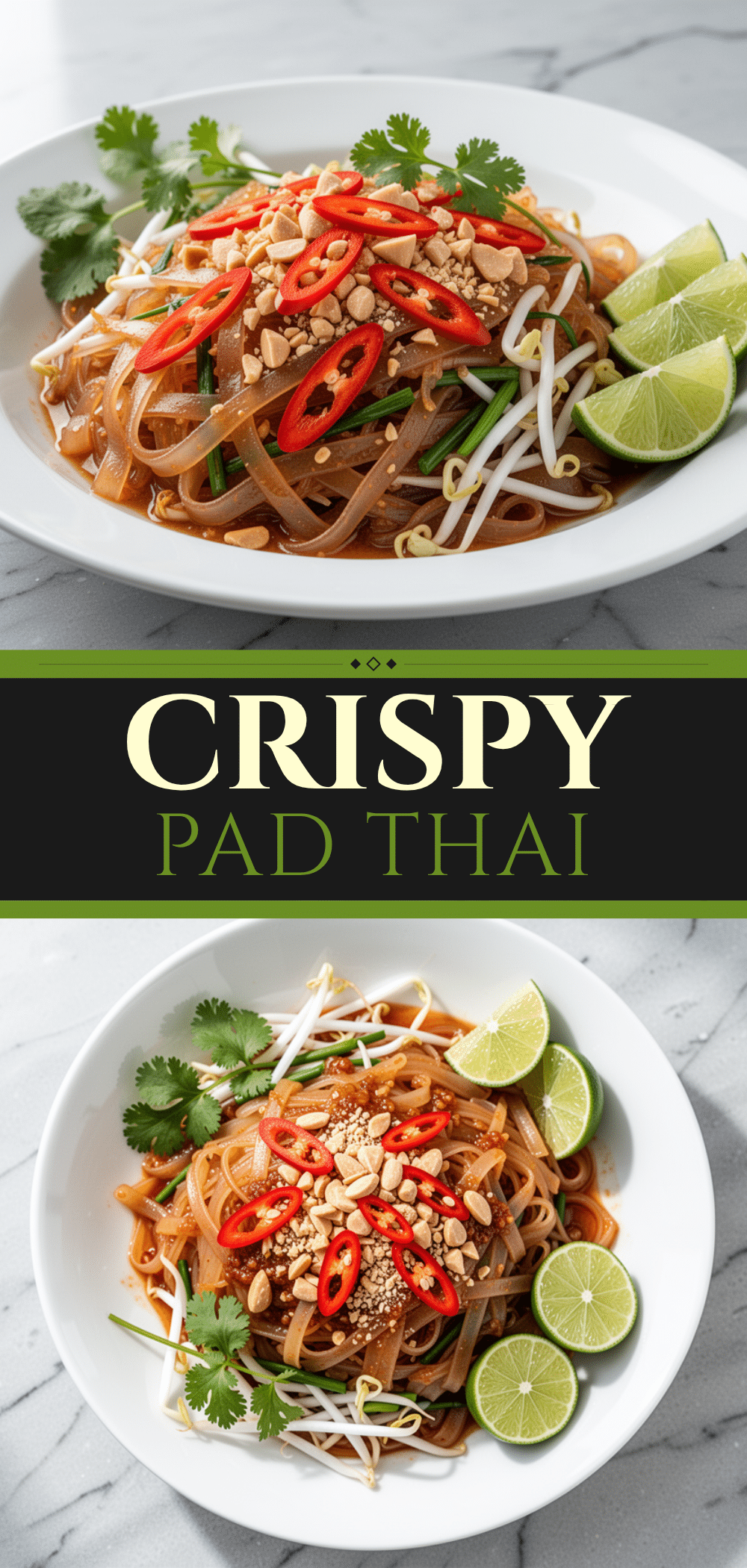
Pin This Recipe!
Easy Pad Thai: Best 30-Min Weeknight Dinner
- Total Time: 30 minutes
- Yield: 4 servings 1x
Description
A restaurant-style Pad Thai with tangy tamarind sauce that balances sweet, sour, and savory flavors. This customizable stir-fry is ready in 30 minutes and uses simple pantry staples for an authentic street food experience at home.
Ingredients
- 8 oz (225g) flat medium-width rice noodles
- 3 tablespoons tamarind paste
- 3 tablespoons fish sauce
- 2 tablespoons palm sugar (or dark brown sugar)
- 1 tablespoon rice vinegar
- 4 cloves garlic, minced
- 1 teaspoon red chili flakes
- 1 lb protein (shrimp, chicken, or firm tofu)
- 2 large eggs, beaten
- 2 cups bean sprouts (divided)
- 3 stalks green onions, sliced
- 1 medium carrot, julienned
- 1/2 cup crushed roasted peanuts
- 1 large lime, cut into wedges
- 2–3 tablespoons vegetable oil
Instructions
- Soak rice noodles in a large bowl of warm water for 20-30 minutes until soft and pliable. Drain well.
- In a small bowl or saucepan, whisk together tamarind paste, fish sauce, palm sugar, rice vinegar, minced garlic, and red chili flakes. Add 2 tablespoons hot water if using tamarind paste to help dissolve. Taste and adjust sweetness/sourness as needed.
- Prep protein and vegetables: julienne carrots, slice green onions, beat eggs, and slice protein thinly.
- Heat a large wok or skillet over high heat until smoking. Add 1 tablespoon oil and cook protein until just done. Remove and set aside.
- Add another tablespoon of oil to the wok. Pour in beaten eggs and scramble until just cooked. Remove and add to the plate with the protein.
- Add a little more oil if needed. Stir-fry carrots and white parts of green onions for 1-2 minutes until carrots soften slightly. Add half of the bean sprouts and cook for 30 seconds.
- Add drained noodles to the wok. Pour sauce over noodles and toss to combine. Return cooked protein and eggs to the wok. Toss gently for 1-2 minutes until noodles are heated through and coated.
- Serve immediately topped with remaining bean sprouts, crushed peanuts, and green onion tops. Serve with lime wedges on the side.
Notes
Do not boil the rice noodles; soaking in warm water prevents mushiness. Ensure the pan is very hot before adding ingredients to avoid steaming. Balance the sauce carefully between sour, sweet, and salty. For vegetarian versions, swap fish sauce for soy sauce/tamari and use tofu instead of meat/seafood.
- Prep Time: 15 minutes
- Cook Time: 15 minutes
- Category: Main Course
- Cuisine: Thai
Nutrition
- Serving Size: 1 plate
- Calories: 450
- Sugar: 12
- Sodium: 800
- Fat: 12
- Saturated Fat: 2
- Carbohydrates: 60
- Fiber: 3
- Protein: 25
Keywords: Pad Thai, Thai food, stir fry, weeknight dinner, tamarind sauce, rice noodles, easy dinner, 30 minute meals