There is a specific kind of desperation that hits around 10 PM on a Tuesday. You’ve scrolled through your banking app three times, the grocery budget is officially tapped out for the week, and yet your stomach is growling loud enough to wake the neighbors. I know this feeling intimately. It’s the moment between “I’ll just eat a piece of cheese” and “I’m ordering $25 of takeout I can’t afford.”
That was me last month. I had exactly $8 in my pocket and a fridge that was mostly empty save for a lonely jar of miso paste, a bag of wilted spinach, and a pack of instant ramen noodles that were on clearance for 99 cents. I didn’t want to spend $30 on delivery. I didn’t want to eat dry cereal for dinner again. So, I threw together what I thought would be a sad, sad bowl of noodles. What came out of the pot was something else entirely.
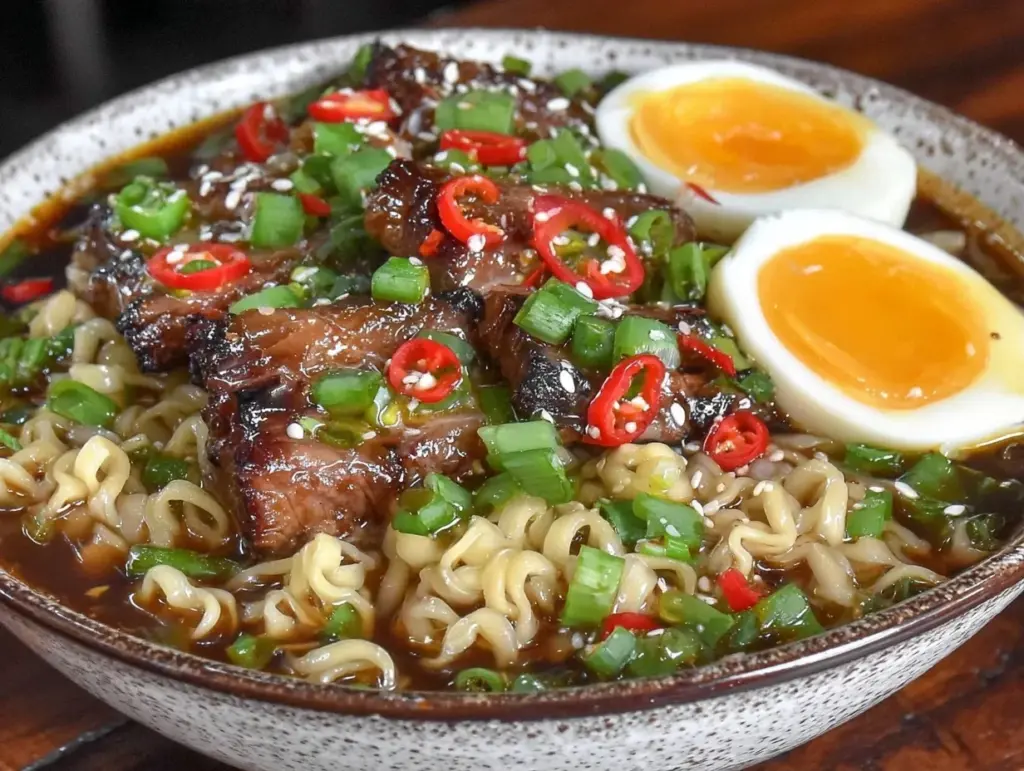
It was rich, deeply savory, and spicy enough to make me sweat. It had a jammy egg that oozed golden yolk over the top, and it cost me less than $4 to make. That bowl of Spicy Homemade Ramen changed my entire relationship with my pantry. It proved that eating well on a strict budget doesn’t mean eating boring. It just means getting creative with the basics.
I’ve made this one-serving wonder at least twenty times since then. It’s my go-to for those nights when I need comfort food that doesn’t require a trip to the store. And here’s the best part: the ingredient list is short, cheap, and mostly things you probably already have. If you’re tired of blowing your food budget on fancy meals that only feed two people, you need to try this. It’s cozy, it’s filling, and it respects your wallet.
Why You’ll Love This Budget-Friendly Ramen
Look, I’m not going to lie to you. There are a million fancy ramen recipes online that call for dashi stock made from scratch, premium pork belly, and eggs marinated in soy sauce for 24 hours. That’s great for a weekend project. But when you’re trying to stretch a dollar for one person, you need something faster and cheaper.
This recipe has become my weekly ritual because it hits every single button for a satisfying, no-fuss meal. Here’s why it works so well for single-person cooking:
It Uses Pantry Staples — Seriously, if you have soy sauce, chili oil, and an egg, you’re halfway there. I use miso paste because I keep a tub in the fridge that lasts for months. It adds that deep, umami flavor that makes cheap noodles taste expensive. No fancy ingredients needed.
It’s Actually Cheap — Let’s talk numbers. My total cost for this bowl, including the egg and garnishes, usually comes out to about $3.50 to $4.00. That’s less than a large coffee at a chain store. If I make it with the cheapest noodles available, it’s even lower. It’s a win for the wallet and the belly.
One Bowl, Zero Waste — Cooking for one is hard because you always end up with half a jar of something or a bag of greens that wilts in two days. This recipe uses exactly one egg, one packet of noodles, and whatever veggie is hanging out in the crisper drawer. I use up that spinach or some leftover mushrooms. Nothing goes to trash.
It Heats Up Fast — I’m not talking about 30-minute meals. I’m talking about 15 minutes. Boil water, cook noodles, soft-boil an egg, mix the broth. You can be eating before the takeout driver even parks their car. It’s perfect for those lazy nights where you just want to sit on the couch.
The Jammy Egg Factor — This is the game-changer. A perfectly soft-boiled egg cut in half turns the whole meal into something luxurious. The yolk mixes with the spicy broth to create a creamy, rich sauce without adding any extra cost. It feels like a treat, even though it’s budget food.
This is my answer to “what’s for dinner” when I’m tired, broke, and hungry. It’s reliable, it’s delicious, and it doesn’t break the bank. Once you try it, you’ll be making it every week.
Ingredients You’ll Need (That Won’t Break the Bank)
Here’s the thing about this recipe: it’s deceptively simple. The flavor comes from the combination of cheap, common ingredients, not from expensive imports. I’m particular about a few things here, but mostly, this is about using what you have.
Ramen Noodles (1 package / 3-4 oz) — I usually grab the cheapest instant ramen packets I can find. The ones with the flavor packet are fine, but I toss the seasoning packet because it’s full of salt and artificial stuff. If you have fresh ramen noodles, use those, but dried is cheaper and has a better texture for soaking up broth. Look for brands in the Asian aisle that are unbranded or store-brand.
Miso Paste (2 tablespoons) — This is the secret weapon. It adds savory depth that salt alone can’t achieve. I keep a tub of white miso in the fridge. It lasts for months and costs about $4 a tub, which lasts me 20+ bowls. If you don’t have miso, you can use a tablespoon of soy sauce plus a teaspoon of sugar, but miso is better.
Soy Sauce (1 tablespoon) — Use regular soy sauce, not the fancy stuff. It’s salty and savory. I buy the big bottle because I use it for everything from turkey chili to stir-fries. It’s a budget staple.
Chili Oil or Gochujang (1-2 teaspoons) — For the heat. Chili oil is easier because you can just spoon it in. Gochujang (Korean chili paste) is great if you have it, but it’s thicker. I like to mix both if I’m feeling fancy, but one or the other works. If you’re sensitive to spice, start with ½ teaspoon.
Garlic (2 cloves, minced) — Fresh garlic is key. It smells amazing and adds a punch of flavor. I keep a bag of garlic in my pantry that lasts forever. If you’re being super lazy, you can use garlic powder, but fresh tastes way better. Don’t skip it.
Ginger (1 teaspoon, grated) — Fresh ginger adds a nice zing. If you don’t have fresh, ginger powder works in a pinch, but fresh is better. I buy a whole root and freeze it, so I always have some on hand.
Egg (1 large) — For the jammy soft-boiled egg. This is the protein that makes the meal feel complete. I buy a dozen eggs because they’re cheap and versatile. I use them for chicken and dumplings too, so they’re a good investment.
Vegetables (1 cup, chopped) — This is where you use up leftovers. I usually throw in whatever I have: spinach, bok choy, mushrooms, or green onions. If you have nothing, just skip it, but veggies add bulk and nutrition for almost no cost. I often use up half a bag of spinach that’s about to wilt.
Water (2 cups) — Obviously. But use good quality water if you can. It’s the base of your broth.
Green Onions (1-2 stalks, sliced) — For garnish. They add color and a fresh bite. I buy them fresh, but dried chives work if you’re out of fresh. They’re cheap enough that I don’t mind wasting a stalk.
Sesame Seeds (1 teaspoon, optional) — For crunch and presentation. I usually skip these to save money, but if you have a jar in the back of your spice cabinet, sprinkle them on. They look fancy but cost pennies per use.
Equipment Needed
You don’t need fancy gear for this. Here’s what I actually use in my tiny kitchen.
Small Saucepan — I use a 2-quart pot. It’s big enough for the noodles and broth but not so big that it’s hard to clean. Any small pot works.
Medium Pot or Kettle — For boiling the egg. I use a separate small pot just for eggs. It makes timing easier. If you don’t have space, you can boil the egg in the same pot as the noodles, but it’s trickier to time.
Slotted Spoon — To lift the noodles out of the broth. A regular spoon works, but a slotted spoon is better for draining.
Timer — Your phone works fine. Timing the egg is crucial, so don’t guess.
Bowl — A wide, shallow bowl is best for ramen so you can see all the toppings. I use whatever big bowl I have for cereal or soup.
Small Bowl — For mixing the broth base. Keeps things organized.
How to Make It: Step-by-Step
Alright, let’s make this! I’m walking you through exactly how I do it, including the little tricks I’ve picked up over years of making budget ramen.
Step 1: Prep Your Egg (15 minutes active, plus cooling)
Fill a small pot with water and bring it to a boil. While that heats up, get a bowl of ice water ready. This is crucial for stopping the cooking process. Once the water is boiling, gently lower the cold egg into the water using a spoon. Set a timer for exactly 6.5 minutes. This is the sweet spot for a jammy yolk—cooked white, runny but not liquid center. If you like it more runny, go 6 minutes. More firm, 7 minutes. After 6.5 minutes, move the egg to the ice bath immediately. Let it cool for at least 5 minutes. This makes it easier to peel later.
Step 2: Make the Broth Base (2 minutes)
While the egg cools, take your serving bowl. Add the miso paste, soy sauce, minced garlic, grated ginger, and chili oil or gochujang. Whisk these together with a fork until it’s a smooth paste. This ensures the flavors are evenly distributed. If you’re using the flavor packet from the ramen, toss it and skip it—this homemade base is better.
Step 3: Cook the Noodles (5 minutes)
Bring 2 cups of water to a boil in your saucepan. Add the ramen noodles. If the noodles are in a block, break them in half with your hands—it helps them cook evenly. Cook for 2-3 minutes, or until tender but still chewy. Don’t overcook them or they’ll get mushy. While they cook, chop your vegetables and slice your green onions.
Step 4: Combine and Serve (1 minute)
Once the noodles are done, use a slotted spoon to lift them out of the pot and place them directly into the bowl with the broth base. This keeps the broth clear and strong. Ladle a little bit of the hot noodle water into the broth bowl to loosen the miso paste and create a soupy consistency. Stir well. Taste and adjust salt or spice if needed.
Step 5: Peel and Slice the Egg
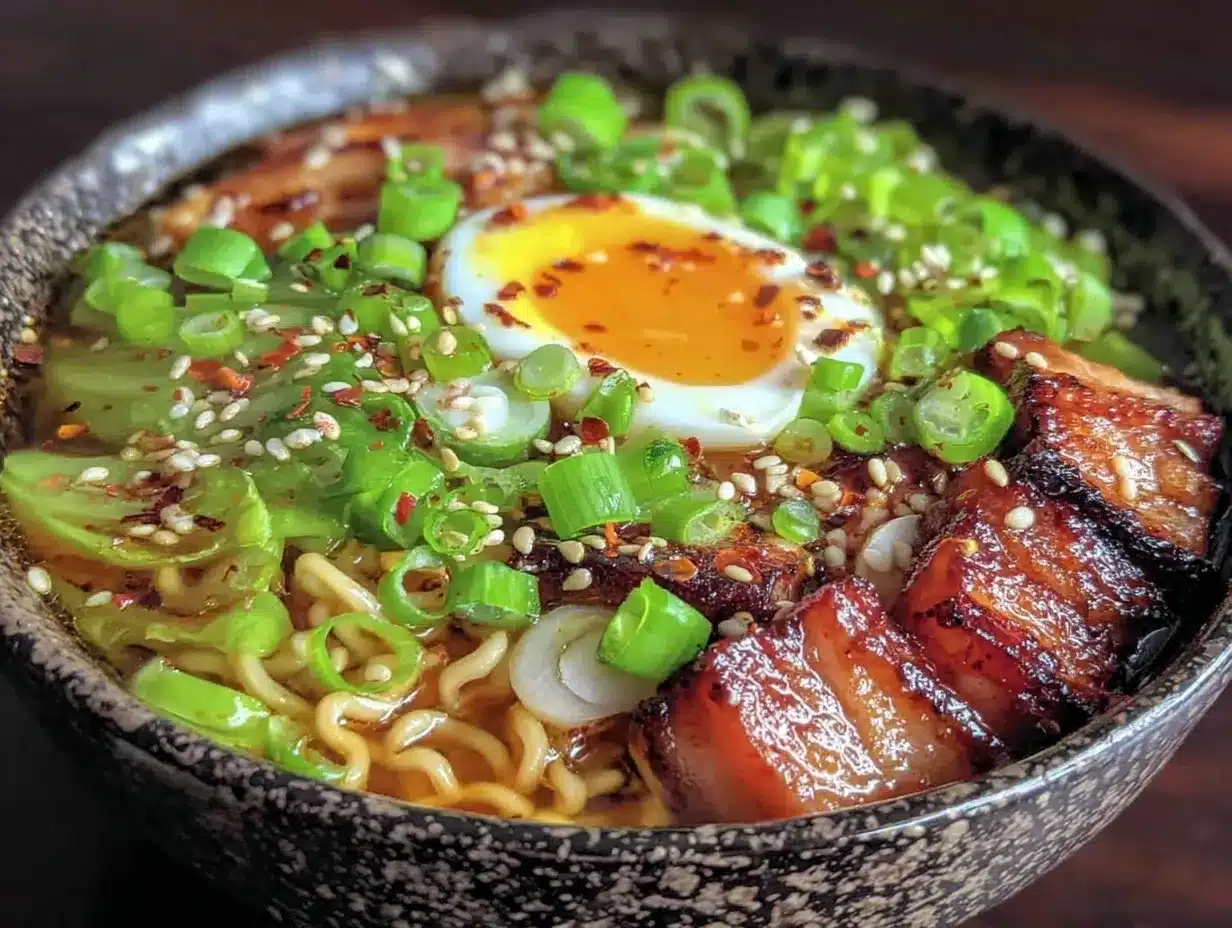
Take the cooled egg and gently tap it on the counter to crack the shell. Peel it under running water if it’s sticking. Slice it in half lengthwise. The yolk should be jammy and golden. Place the halves on top of the noodles, cut-side up so the yolk is visible.
Step 6: Add Toppings
Toss the chopped vegetables (spinach, mushrooms, etc.) into the hot broth—they’ll wilt instantly from the heat. Arrange them on top of the noodles. Sprinkle with sliced green onions and sesame seeds if you have them. Serve immediately while it’s piping hot.
Total Time: About 15 minutes (mostly waiting for the egg).
Expert Tips & Tricks
Here’s everything I’ve learned from making this dozens of times. These tips will save you from my mistakes.
Don’t Boil the Egg Too Long
The difference between 6 minutes and 7 minutes is huge. 6 minutes is runny. 7 minutes is firm. 6.5 is jammy. If you miss it, don’t panic—you can always run it under cold water and eat it as a hard-boiled egg. But for this recipe, jammy is best.
Use the Noodle Water
The starchy water from the noodles helps thicken the broth slightly and helps the miso dissolve. Don’t dump it all down the drain. Use a splash to loosen the broth in your bowl.
Whisk the Miso Well
Miso doesn’t dissolve easily in cold liquid. Make sure you whisk it with a little hot water or broth before adding the noodles, or you’ll get clumps of salty paste in your bowl.
Customize the Heat
Chili oil varies in spiciness. If you’re sensitive, start with ½ teaspoon and add more after tasting. You can always add more, but you can’t take it away. I like it hot, but my friends might not.
Vegetable Variations
I use whatever is in the fridge. Leftover roasted veggies? Throw them in. Fresh bok choy? Slice it thin. Frozen peas? Toss them in at the end. The noodles are a blank canvas. I often use up veggies from roasted red pepper soup prep leftovers.
Variations & Substitutions
Once you’ve nailed the basic version, here’s how you can mix it up. I’ve tried all of these.
Pork Version
Add a slice of cooked bacon or leftover maple bourbon salmon (just kidding, use pork) on top. Bacon bits add a smoky crunch that’s amazing.
Vegan Version
Use vegetable broth instead of water (though water is fine), skip the egg, and add a scoop of tofu. Use chili oil and miso (which is vegan). It’s just as filling.
Creamy Version
Stir in a tablespoon of peanut butter or tahini at the end. It makes the broth rich and nutty. This is great if you have it on hand.
Spicy Szechuan Style
Add a teaspoon of Szechuan peppercorns or chili crisp. It adds a numbing heat that’s different and exciting.
Serving & Storage
How to Serve:
I eat this straight from the bowl, often while sitting on the couch. It’s comfort food. Pair it with a simple side salad or some pickled vegetables if you have them. I love it with a cold drink.
Storage:
This is best made fresh. The noodles get soggy if they sit in the broth. If you have leftovers (unlikely), store the broth and noodles separately in the fridge for up to 2 days. Reheat the broth and cook fresh noodles. The egg is best eaten immediately.
Freezing:
Do not freeze this. The noodles will turn to mush, and the egg texture will change. Make it fresh.
Nutrition Information
I’m not a nutritionist, but here’s the breakdown if you’re tracking. Keep in mind this is a rough estimate based on standard ingredients.
Per Serving (1 bowl):
- Calories: 450
- Protein: 18g
- Carbs: 55g
- Fiber: 3g
- Fat: 16g
- Sodium: 900mg (varies by miso/soy sauce)
It’s a decent balance of carbs and protein. The sodium is higher than you might like, but that’s from the miso and soy sauce. If you’re watching salt, use low-sodium soy sauce and less miso.
Final Thoughts
So that’s my go-to spicy homemade ramen! I’ve talked a lot about budget, but really, this is about making something delicious with what you have. It’s saved me on nights when I was tired, broke, and hungry. It’s flexible, fast, and frankly, delicious.
Make it yours! Add more veggies, change the spice level, swap the noodles. The best recipes are the ones you adapt. If you make this, drop a comment and let me know what you think! I love hearing how recipes turn out in your kitchen.
Happy cooking! And I hope your kitchen smells as good as mine does right now.
Frequently Asked Questions
Can I use instant ramen seasoning packets?
You can, but I don’t recommend it. The packets are full of salt and artificial flavorings. The homemade miso-soy-chili base is way tastier and healthier. If you must, use half a packet for saltiness and add the fresh garlic and ginger for flavor.
Why did my egg turn out hard-boiled?
You probably left it in the boiling water too long. 6.5 minutes is the sweet spot for jammy. If you like it firmer, try 7 minutes. If you like it runnier, try 6 minutes. Use a timer!
Can I make this ahead of time?
Not really. The noodles absorb the broth and get soggy. It’s best made fresh. You can prep the broth base and chop the veggies ahead, but assemble it right before eating.
What if I don’t have miso paste?
You can substitute with extra soy sauce and a teaspoon of sugar or honey. It won’t have the same depth, but it will still be savory and salty. Or use a tablespoon of tomato paste for umami.
Is this recipe gluten-free?
Not traditionally, because ramen noodles contain wheat. You can use rice noodles or buckwheat soba noodles (check the label) to make it gluten-free. Just adjust the cooking time for the noodles.
Pin This Recipe!
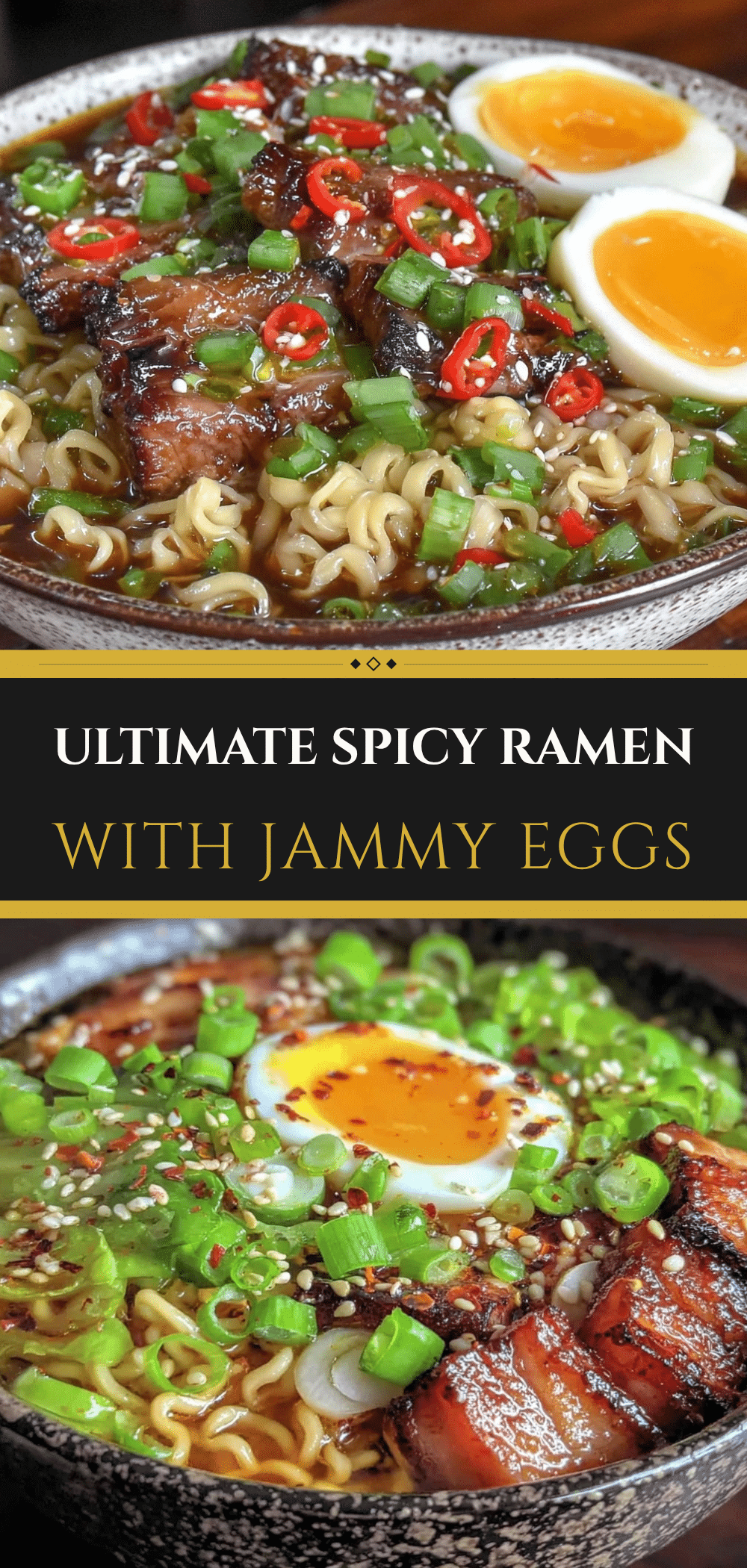
Spicy Homemade Ramen: 1 Serving on a Budget
- Total Time: 15 minutes
- Yield: 1 serving 1x
Description
A quick, budget-friendly spicy ramen recipe that costs less than $4 to make. This single-serving meal features a rich miso-soy broth, a jammy soft-boiled egg, and customizable vegetables, ready in just 15 minutes.
Ingredients
- 1 package (3-4 oz) ramen noodles (discard seasoning packet)
- 2 tablespoons miso paste
- 1 tablespoon soy sauce
- 1–2 teaspoons chili oil or gochujang
- 2 cloves garlic, minced
- 1 teaspoon ginger, grated
- 1 large egg
- 2 cups water
- 1 cup chopped vegetables (e.g., spinach, mushrooms, bok choy)
- 1–2 stalks green onions, sliced
- 1 teaspoon sesame seeds (optional)
Instructions
- Fill a small pot with water and bring to a boil. Prepare a bowl of ice water.
- Gently lower the cold egg into the boiling water and set a timer for 6.5 minutes for a jammy yolk.
- Remove the egg from the water and place it immediately in the ice bath to cool for at least 5 minutes.
- While the egg cools, take a serving bowl and whisk together miso paste, soy sauce, minced garlic, grated ginger, and chili oil until smooth.
- Bring 2 cups of water to a boil in a saucepan. Add ramen noodles and cook for 2-3 minutes until tender but chewy.
- Use a slotted spoon to transfer noodles directly into the bowl with the broth base.
- Ladle a small amount of hot noodle water into the bowl to loosen the miso and create a soupy consistency. Stir well.
- Peel the cooled egg under running water and slice it in half lengthwise.
- Toss chopped vegetables into the hot broth to wilt them slightly, then arrange on top of the noodles.
- Place the egg halves on top, cut-side up. Sprinkle with green onions and sesame seeds. Serve immediately.
Notes
Do not boil the egg longer than 7 minutes or it will become hard-boiled. Use the starchy noodle water to help dissolve the miso. This recipe is best made fresh as noodles get soggy if stored in broth. Do not freeze.
- Prep Time: 5 minutes
- Cook Time: 10 minutes
- Category: Main Course
- Cuisine: Asian
Nutrition
- Serving Size: 1 bowl
- Calories: 450
- Sugar: 2
- Sodium: 900
- Fat: 16
- Saturated Fat: 3
- Carbohydrates: 55
- Fiber: 3
- Protein: 18
Keywords: budget ramen, spicy ramen, quick dinner, single serving, cheap meals, miso ramen, jammy egg, comfort food, 15 minute meals