There is a specific kind of panic that sets in about three weeks before Rosh Hashanah. It’s not just about buying apples and honey; it’s the pressure of creating a feast that feels both deeply traditional and impressively elegant, all while trying to keep your sanity intact. I remember my first year hosting, standing in a kitchen that smelled like burnt onions and desperation, staring at a pot of brisket that looked more like a dry hockey puck than a holiday centerpiece. I had followed a recipe that promised “tender and juicy,” but my brisket was tough enough to require a chainsaw.
That was the year I realized I wasn’t just cooking dinner; I was trying to curate a memory. And memories don’t come from takeout containers. They come from the slow, patient simmer of meat that falls apart at the touch of a fork. Since that disastrous first attempt, I’ve spent years perfecting my Rosh Hashanah braised brisket with honey and dried apricots. It’s become the anchor of my holiday table, the dish that signals to my family that the high holidays have officially begun.
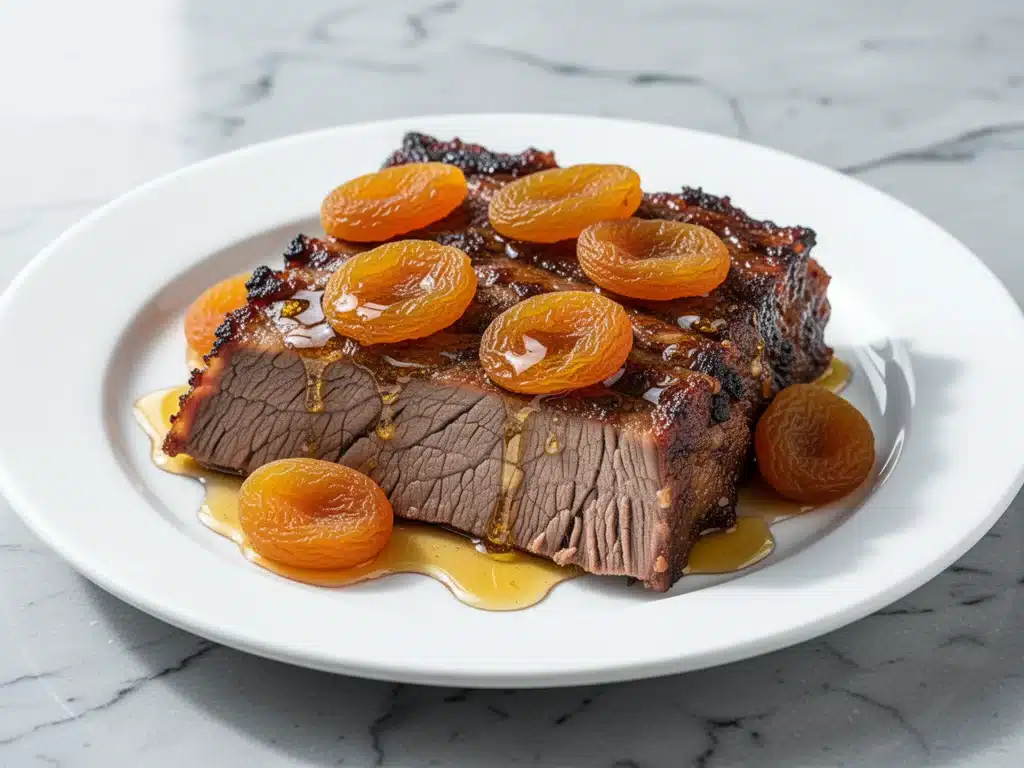
What makes this version special isn’t just the sweet and savory balance—it’s the technique. By braising the brisket low and slow with aromatic vegetables, rich beef broth, and a glaze of honey and apricots, you get meat that literally melts. The dried apricots do something magical: they add a subtle tartness that cuts through the richness of the beef, while the honey caramelizes in the oven to create a sticky, glossy finish that looks like it came from a high-end deli. Better yet, it tastes infinitely better than anything you could order from a counter.
I’ve tested this recipe over a dozen times, tweaking the spice blends and liquid ratios until it was foolproof. Whether you’re a holiday novice or a brisket veteran, this method guarantees success. It’s about taking the stress out of the holiday prep and letting the oven do the heavy lifting. So, let’s talk about how to make the best braised brisket of your life, one that will have your guests asking for the secret ingredient (it’s the apricots, by the way).
Why You’ll Love This Recipe
This Rosh Hashanah braised brisket with honey and dried apricots has completely transformed my holiday cooking routine. It’s not just a recipe; it’s a peace treaty in the kitchen. Here’s why this dish has earned a permanent spot on my holiday rotation:
- Set It and Forget It — Seriously, if you can throw ingredients in a pot, you can make this. After searing the meat, the rest is pure hands-off time. I can spend the day hosting guests, playing with my kids, or just reading a book, while the house fills with the most incredible aroma. It’s the ultimate stress-free holiday main course.
- Sweet Meets Savory Perfection — The combination of honey and dried apricots creates a complex flavor profile that feels gourmet without being complicated. The apricots add a fruity depth that complements the beef beautifully, while the honey provides that traditional sweetness associated with a sweet new year. It’s a flavor combination that’s unique enough to impress but familiar enough to comfort.
- Freezer-Friendly Magic — One of the best things about braised brisket is that it actually tastes better the next day (and the day after that). The flavors meld together overnight, becoming richer and more tender. I often cook this a day or two ahead, which is a lifesaver on the actual holiday when the stove is full of sides like homemade roasted tomato marinara for pasta or other dishes.
- Impressive Presentation — Let’s be honest, we all want to look good in the kitchen. This brisket comes out of the oven looking glossy, caramelized, and restaurant-quality. Slicing it against the grain reveals those beautiful layers of tender meat, and the sauce is so rich it doesn’t need a heavy reduction to feel luxurious.
- Feeds a Crowd — Brisket is inherently a feeding-the-family dish. This recipe easily serves 8-10 people, making it perfect for large holiday gatherings. Plus, leftovers are legendary. I’ve used leftover brisket in everything from sandwiches to hash, proving that this dish has incredible longevity.
This is my go-to when I need a dish that says “I care” without saying a word. No complicated techniques, no hard-to-find ingredients, just reliable, delicious food that makes everyone happy.
Ingredients You’ll Need
Here’s the best part: most of these ingredients are pantry staples or easy to find at any grocery store. I’m particular about a few key items, and I’ll tell you exactly why they matter for getting that tender, fall-apart texture.
For the Meat and Base
Beef Brisket (3-4 pounds / 1.5-2 kg) — You want a flat-cut brisket if possible, as it’s leaner and slices more evenly for sandwiches or plating. Point-cut is fattier but still delicious. Look for one that’s well-marbled; that fat is what keeps it moist during the long braise. Don’t buy the cheapest option you can find—quality meat makes a huge difference.
Neutral Oil (2 tablespoons / 30ml) — I use vegetable or canola oil for searing. Olive oil has a lower smoke point and can burn during the high-heat searing phase. You want that crust, not burnt oil.
For the Aromatics and Flavor
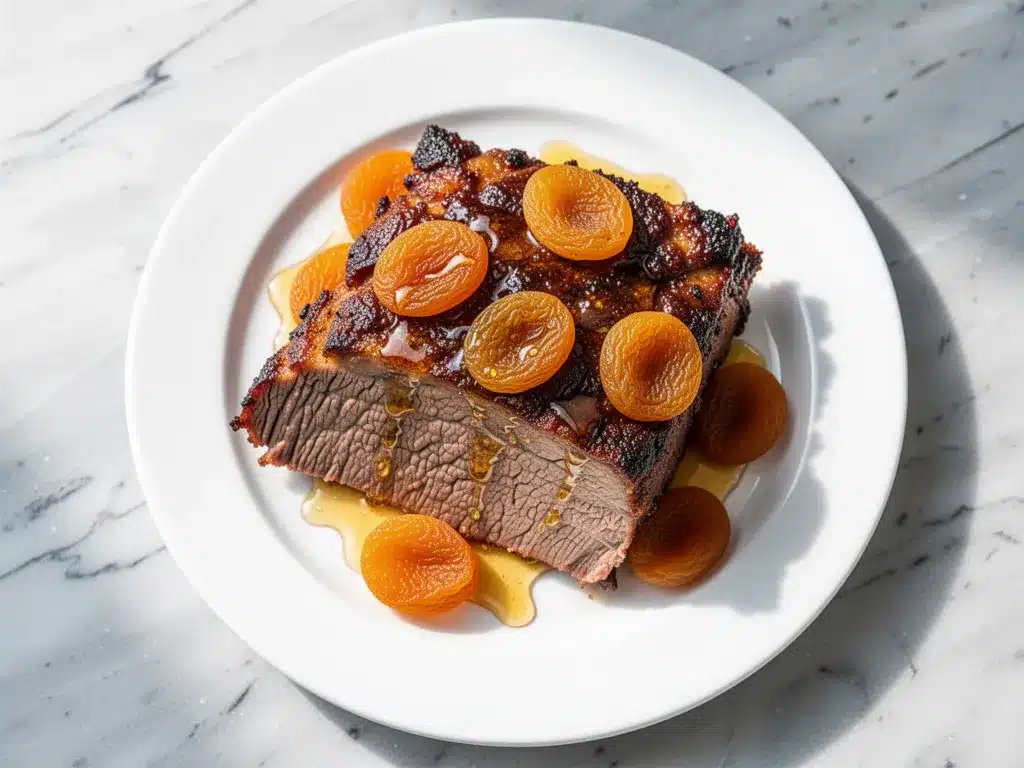
Yellow Onion (2 large, sliced / about 400g) — Onions are the backbone of the braising liquid. They break down completely, adding sweetness and body to the sauce. Slice them thick so they don’t disappear entirely.
Garlic (6 cloves, minced / about 2 tablespoons) — Yes, six cloves. Don’t skimp. Fresh garlic is non-negotiable here. Jarred garlic has a metallic aftertaste that clashes with the delicate honey-apricot flavor.
Dried Apricots (1 cup / 150g) — This is the secret weapon. Look for unsulfured apricots if you can find them; they have a deeper, more complex flavor. Chop them roughly. They will rehydrate in the sauce and become chewy, tender little bursts of sweetness.
Honey (½ cup / 120ml) — Use a good quality honey. Clover or wildflower honey works beautifully. This provides the sweetness for the new year symbolism and helps caramelize the exterior.
Beef Broth (2 cups / 480ml) — I use low-sodium beef broth so I can control the saltiness. Homemade bone broth is even better if you have it, as it adds more gelatin and richness to the sauce.
Red Wine (½ cup / 120ml) — A dry red like Cabernet Sauvignon or Merlot adds depth and acidity. You don’t need to spend a fortune here, but don’t use “cooking wine.” If you prefer, you can substitute with extra beef broth, but the wine really lifts the flavor.
For the Spice Blend
Ground Cumin (1 teaspoon) — Adds a warm, earthy note that pairs perfectly with beef.
Smoked Paprika (1 teaspoon) — This gives a subtle smokiness that mimics slow-cooking over wood. It’s a game-changer for depth.
Dried Thyme (1 teaspoon) — Herbal and slightly piney, it complements the apricots nicely.
Black Pepper (1 teaspoon, freshly cracked) — Essential for balancing the sweetness.
Salt (1.5 teaspoons, kosher) — Adjust to taste, but you need enough to season the meat properly.
Bay Leaves (2 leaves) — Add them to the pot and remove before serving. They infuse a subtle background aroma.
For Thickening (Optional)
Cornstarch (1 tablespoon) — Mixed with 2 tablespoons of cold water. Use this only if you want a thicker sauce. The natural gelatin from the brisket often thickens the sauce enough on its own.
Equipment Needed
You don’t need fancy equipment for this. Here’s what I actually use, along with some honest opinions on alternatives.
Dutch Oven or Large Braising Pan — I use a 6-quart enameled cast iron Dutch oven. It holds heat incredibly well, which is crucial for even braising. A heavy-bottomed stockpot works too, just make sure it has a tight-fitting lid. You need something that can go from stovetop to oven.
Cutting Board and Sharp Knife — For trimming the brisket and slicing the onions. A dull knife is dangerous and makes mincing garlic a nightmare. Invest in a good chef’s knife.
Casting Iron Skillet — Optional, but I prefer searing the brisket in a cast iron skillet before transferring it to the braising liquid. It gets a better crust than in the Dutch oven, which can get crowded.
Measuring Cups and Spoons — Standard stuff. Dollar store versions work fine, but accuracy helps with the spice balance.
Tongs — For flipping the meat. Having a good pair of tongs saves your fingers from burns.
Aluminum Foil — If your lid doesn’t seal tightly, you’ll need to cover the pot with foil to trap the steam. This is essential for the braising process.
How to Make It: Step-by-Step
Alright, let’s make this! I’m walking you through exactly how I do it, including the little tricks I’ve picked up over the years.
Step 1: Prep the Brisket (10 minutes)
Take the brisket out of the fridge about 30 minutes before cooking to take the chill off. Pat it dry with paper towels—this is crucial for a good sear. If the meat is wet, it will steam instead of brown. Trim any excessive hard fat, leaving about ¼ inch. Season generously with salt, pepper, cumin, smoked paprika, and thyme on all sides.
Step 2: Sear the Meat (15 minutes)
Heat the oil in your Dutch oven or skillet over medium-high heat. When the oil shimmers, add the brisket. Sear for 4-5 minutes per side until you get a deep, dark brown crust. Don’t rush this! The Maillard reaction (that browning) is where so much flavor comes from. If your pot is small, sear in batches. Remove the meat and set it aside on a plate.
Step 3: Sauté the Aromatics (5 minutes)
Reduce the heat to medium. Add the sliced onions to the same pot. They’ll pick up all those browned bits from the meat—scrape them up with a wooden spoon. Cook for 5 minutes until softened. Add the minced garlic and cook for 1 more minute, just until fragrant. Be careful not to burn the garlic.
Step 4: Build the Braising Liquid (5 minutes)
Pour in the red wine to deglaze the pot, scraping up any remaining bits. Let it simmer for 2 minutes to cook off the alcohol. Add the beef broth, honey, and chopped dried apricots. Stir well to combine the honey.
Step 5: Braise the Brisket (2.5 – 3 hours)
Return the brisket to the pot, fat-side up. Make sure the liquid comes about halfway up the side of the meat; don’t submerge it completely. Add the bay leaves. Cover tightly with the lid (or foil if needed). Transfer to a preheated 325°F (165°C) oven.
Braise for 2.5 to 3 hours. Check at the 2-hour mark. The brisket is done when it’s fork-tender—meaning you can insert a fork and it slides in with no resistance. If it’s still tough, give it another 30 minutes.
Step 6: Rest and Slice (15 minutes)
Remove the pot from the oven. Carefully transfer the brisket to a cutting board. Let it rest for 15 minutes. This allows the juices to redistribute. If you slice it immediately, all the goodness will run out. While it rests, you can skim any excess fat from the top of the sauce if you prefer a lighter gravy.
Step 7: Serve
Slice the brisket against the grain into thin slices. Arrange them on a platter and spoon the warm apricot-honey sauce over the top. Garnish with fresh parsley if you have it. Serve with mashed potatoes, rice, or crusty bread to soak up that amazing sauce.
Expert Tips & Tricks
Here’s everything I’ve learned from making this dozens of times. These tips will save you from my mistakes.
- Slice Against the Grain — This is the golden rule of brisket. Look for the direction the muscle fibers run, and cut perpendicular to them. If you cut with the grain, the meat will be chewy and tough. Against the grain makes it tender and easy to chew.
- Don’t Skip the Sear — I know it’s tempting to skip this step to save time, but the sear adds a layer of complexity that boiling or braising alone cannot achieve. It adds color and a savory depth that elevates the entire dish.
- Use a Meat Thermometer — While fork-tenderness is the best indicator, a thermometer can help. You’re looking for an internal temperature of around 200-205°F (93-96°C) for that perfect braised texture. Below that, it might be tough.
- Save the Pasta Water — Wait, this is for brisket! But seriously, if you’re serving this with pasta or potatoes, having starchy water on hand is always useful. For the brisket itself, the natural starches from the apricots and onions help thicken the sauce.
- Make Ahead is Best — As I mentioned, this dish improves overnight. Reheat it gently on the stovetop or in the oven before serving. The flavors will have melded together even more, creating a richer, more cohesive taste.
Variations & Substitutions
Once you’ve nailed the basic version, here’s how you can mix it up. I’ve tried all of these.
- Gluten-Free — This recipe is naturally gluten-free as long as you use gluten-free beef broth and ensure your spices don’t contain fillers. Serve with gluten-free mashed potatoes or rice.
- Dairy-Free — The recipe is already dairy-free, making it suitable for those with lactose intolerance. Just double-check your broth for any hidden dairy additives.
- Sweetness Adjustment — If you prefer a less sweet brisket, reduce the honey to ¼ cup and add an extra tablespoon of apricots. The apricots provide natural sweetness without being cloying.
- Spicy Kick — Add a pinch of cayenne pepper or a diced jalapeño with the onions for a sweet and spicy variation. It’s surprisingly delicious.
- Vegetarian Option — While I don’t recommend substituting the brisket with tofu for this specific recipe, you can use large portobello mushrooms or seitan for a meatless braised dish with similar flavors.
Serving & Storage
How to Serve: I usually serve this straight from the platter at the dinner table. It looks rustic and inviting. Pair it with simple sides like roasted carrots, green beans, or creamy mashed potatoes. For a lighter option, serve with a crisp arugula salad with lemon vinaigrette to cut through the richness.
Refrigerator: Store leftovers in an airtight container for up to 4 days. The sauce will thicken in the fridge, which is normal.
Reheating: Reheat gently on the stovetop over low heat, adding a splash of water or broth if the sauce is too thick. You can also microwave individual portions, stirring halfway through to ensure even heating.
Freezing: This brisket freezes beautifully! Wrap individual slices or the whole brisket in plastic wrap and foil, or place in freezer-safe containers. Freeze for up to 3 months. Thaw in the fridge overnight before reheating.
Nutrition Information
I’m not a nutritionist, but here’s the breakdown if you’re tracking. Note that values can vary based on the specific cut of brisket and brands of ingredients used.
Per Serving (based on 8 servings):
- Calories: 380
- Protein: 25g
- Carbs: 22g
- Fiber: 2g
- Sugar: 18g (from honey and apricots)
- Fat: 20g
- Saturated Fat: 7g
- Sodium: 650mg
Look, this is comfort food. It’s rich and satisfying. But it’s also packed with protein and the natural goodness of apricots. When I want to make it lighter, I skim the fat from the sauce and serve it with extra vegetables. But usually? I just enjoy a reasonable portion and appreciate the labor of love that went into it.
Final Thoughts
So that’s my Rosh Hashanah braised brisket with honey and dried apricots! I’ve probably talked your ear off at this point, but when you make a recipe this often, you have a lot to say about it. This dish has saved my holidays more times than I can count. It’s my answer to “what’s for dinner” when I want something special but don’t have hours to stand over the stove.
My family loves it, my friends request it, and I’m proud of it because it represents so much more than just food. It’s about tradition, sweetness, and coming together. Make it yours! Try different spices, adjust the sweetness, or add your favorite vegetables. The best recipes are the ones you adapt to your family’s tastes.
If you make this, drop a comment and let me know what you think! I love hearing how recipes turn out in your kitchen. And if something doesn’t work, tell me that too—I’m here to help troubleshoot. Happy cooking, and may your new year be sweet and filled with good food.
Frequently Asked Questions
Can I use a slow cooker instead of the oven?
Absolutely! After searing the meat and sautéing the aromatics on the stovetop, transfer everything to a slow cooker. Cook on low for 8 hours or high for 4-5 hours until tender. The texture will be slightly different, but still delicious. Just be aware that the sauce might be thinner, so you may need to reduce it on the stovetop at the end.
Why did my brisket turn out tough?
Brisket needs time to break down the connective tissue. If it’s tough, it likely hasn’t braised long enough. Keep it in the oven for another 30-45 minutes and check again. Also, make sure you’re cooking at the right temperature (325°F). Too high, and the meat will tighten up; too low, and it won’t break down properly.
Can I make this ahead of time?
Yes! In fact, it’s better made ahead. You can cook the brisket up to 2 days in advance. Store it in the fridge with the sauce. Reheat gently before serving. This actually allows the flavors to meld and intensify, making it even more delicious.
What kind of apricots should I use?
Use dried apricots, not fresh. Fresh apricots will turn to mush and release too much water. Look for plump, soft dried apricots. If they’re very dry, you can soak them in warm water for 10 minutes before adding them to the pot to plump them up slightly.
Can I freeze the sauce separately?
Yes, you can freeze the sauce without the meat. This is great for meal prep. Just thaw in the fridge and reheat, then add freshly cooked brisket slices (if you have any) or use the sauce with another protein like chicken or pork.
Is this recipe too sweet for savory dishes?
Not at all! The savory elements from the beef, onions, garlic, and spices balance the honey and apricots perfectly. It’s a classic sweet-and-savory combination that works beautifully with beef. If you’re worried, start with less honey and add more to taste.
What sides go well with this brisket?
Classic sides include mashed potatoes, roasted root vegetables (carrots, parsnips, beets), green beans almonds, or a simple green salad. It also pairs well with rice or crusty bread to soak up the sauce. Avoid overly spicy sides, as the brisket already has a complex flavor profile.
Pin This Recipe!
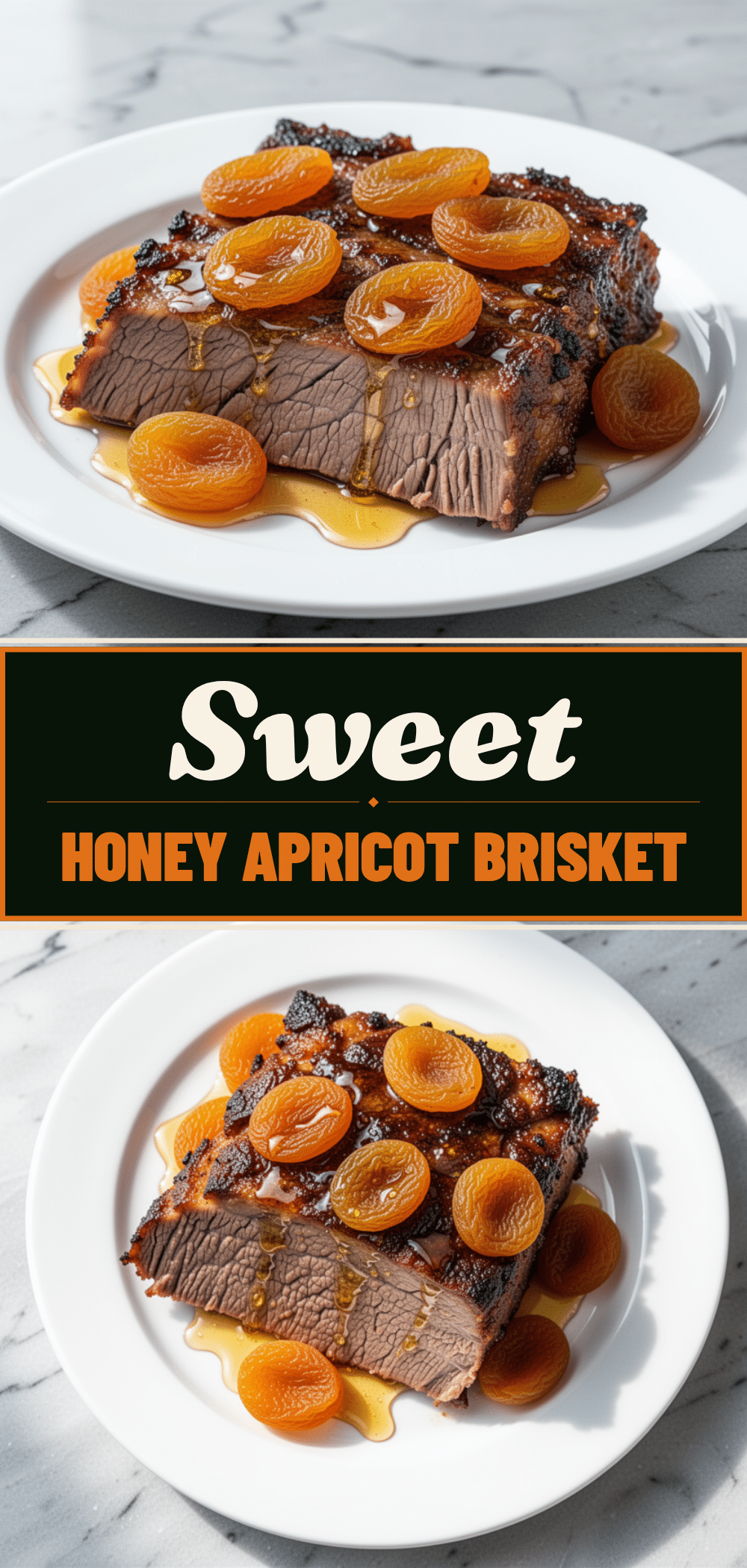
Rosh Hashanah Braised Brisket: Best Easy Holiday Recipe
- Total Time: 3 hours 10 minutes
- Yield: 8 servings 1x
Description
A tender, fall-apart braised brisket with honey and dried apricots, perfect for Rosh Hashanah. This stress-free, set-it-and-forget-it recipe delivers a sweet and savory flavor profile that is impressive enough for holiday guests.
Ingredients
- 3–4 pounds beef brisket (flat-cut preferred)
- 2 tablespoons neutral oil (vegetable or canola)
- 2 large yellow onions, sliced
- 6 cloves garlic, minced
- 1 cup dried apricots, chopped
- ½ cup honey
- 2 cups low-sodium beef broth
- ½ cup dry red wine (Cabernet Sauvignon or Merlot)
- 1 teaspoon ground cumin
- 1 teaspoon smoked paprika
- 1 teaspoon dried thyme
- 1 teaspoon black pepper, freshly cracked
- 1.5 teaspoons kosher salt
- 2 bay leaves
- 1 tablespoon cornstarch mixed with 2 tablespoons cold water (optional, for thickening)
Instructions
- Prep the brisket: Take the meat out of the fridge 30 minutes before cooking. Pat dry with paper towels and trim excessive hard fat, leaving ¼ inch. Season generously on all sides with salt, pepper, cumin, smoked paprika, and thyme.
- Sear the meat: Heat oil in a Dutch oven or skillet over medium-high heat. Sear brisket for 4-5 minutes per side until a deep brown crust forms. Remove meat and set aside.
- Sauté aromatics: Reduce heat to medium. Add sliced onions to the pot and cook for 5 minutes until softened. Add minced garlic and cook for 1 minute until fragrant.
- Build braising liquid: Pour in red wine to deglaze the pot, scraping up browned bits. Simmer for 2 minutes. Add beef broth, honey, and chopped dried apricots, stirring to combine.
- Braise: Return brisket to the pot, fat-side up. Ensure liquid comes halfway up the meat. Add bay leaves. Cover tightly and transfer to a preheated 325°F (165°C) oven. Braise for 2.5 to 3 hours until fork-tender.
- Rest and slice: Remove pot from oven. Transfer brisket to a cutting board and let rest for 15 minutes. Skim excess fat from the sauce if desired.
- Serve: Slice brisket against the grain. Arrange on a platter and spoon warm apricot-honey sauce over the top. Garnish with fresh parsley if desired.
Notes
[‘Slice against the grain to ensure tenderness.’, ‘Do not skip the searing step for maximum flavor.’, ‘Internal temperature should reach 200-205°F (93-96°C).’, ‘This dish tastes better the next day as flavors meld.’, ‘Can be made in a slow cooker: Cook on low for 8 hours or high for 4-5 hours after searing and sautéing.’]
- Prep Time: 10 minutes
- Cook Time: 3 hours
- Category: Main Course
- Cuisine: Jewish
Nutrition
- Serving Size: 1 slice with sauce
- Calories: 380
- Sugar: 18
- Sodium: 650
- Fat: 20
- Saturated Fat: 7
- Carbohydrates: 22
- Fiber: 2
- Protein: 25
Keywords: Rosh Hashanah, braised brisket, holiday recipe, honey brisket, dried apricots, Jewish holiday food, slow cooker brisket, easy brisket