I have a confession to make. For years, I bought the frozen, individually wrapped protein pancakes from the grocery store. You know the ones—they’re in the freezer aisle next to the waffles, usually in a box that looks like it was designed by a nutritionist who’s never tasted food. They were convenient, sure. But they tasted like cardboard that had been dipped in vanilla extract and left out in the sun. I’d eat one out of sheer panic because I had 15 minutes to get out the door and needed protein before my 8 AM meeting. But I hated every bite.
Then, about six months ago, I was running late for work again. My usual routine was chaotic: coffee spilled on my shirt, keys missing, and zero time to cook. I grabbed a tub of cottage cheese that had been sitting in the back of my fridge for a week, wondering if I could blend it into something edible. I wasn’t trying to be healthy. I was just trying to stop eating dry cereal over the sink.
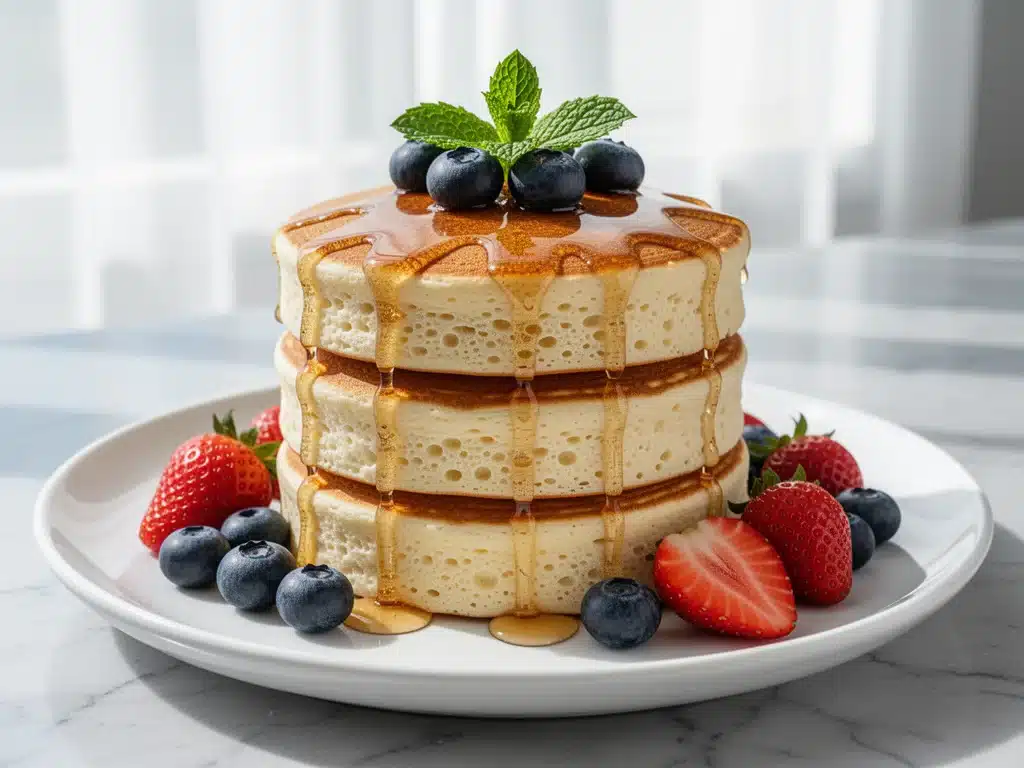
I blended the cottage cheese with eggs, a splash of vanilla, and a little flour. I poured it into the pan. I held my breath. When I flipped it, it didn’t fall apart. It didn’t smell weird. It smelled like… pancakes. Real, fluffy, warm pancakes. I took a bite and nearly cried. It wasn’t just “good for diet food.” It was actually delicious. High in protein, low in sugar, and ready in the time it takes to brew a cup of coffee.
That accidental breakfast changed my mornings. I’ve tested this high-protein cottage cheese pancake recipe dozens of times since then, tweaking the ratios until it was foolproof. Now, it’s my go-to for busy mornings, post-workout fuel, or even a late-night snack when I’m craving something sweet but want to stay on track. If you’ve been stuck in the frozen pancake rut, this is your sign to stop. Let’s make breakfast that actually makes you feel good.
Why You’ll Love This 5-Ingredient Breakfast
There are a million reasons to keep cottage cheese in your fridge, but this high-protein cottage cheese pancake recipe is the single best reason to buy it. Here’s why this has completely replaced my old breakfast routine:
- Stupidly Simple — Seriously, if you can use a blender, you can make this. I don’t even use a whisk. I just dump everything in, hit the button, and pour. No sifting, no folding, no drama. My teenager makes these on weekends when he wants to help but doesn’t want to do actual work.
- Lightning Fast — From blender to plate is about 10 minutes. The batter mixes in 30 seconds. The cooking takes 5-6 minutes total. This is perfect for those mornings when you’re already late and the kids are running around in mismatched socks.
- High Protein, Low Sugar — Each pancake packs about 15-20 grams of protein depending on the size. No syrup bombs, no refined sugar spikes. It’s stable energy. I feel full until lunch, unlike those sugary cereal mornings where I’m hungry by 10 AM.
- Pantry-Friendly — You probably have cottage cheese, eggs, flour, and vanilla. That’s it. No weird supplements or hard-to-find ingredients. It’s a basic pantry recipe that feels fancy.
- Kid-Approved — This is the biggest test. My kids usually turn their noses up at “healthy” breakfasts. But these? They’re fluffy and sweet. I serve them with a little butter and maple syrup, and they don’t even know they’re eating a protein bomb. It’s a win for everyone.
- Budget-Smart — Cottage cheese is cheap. Eggs are cheap. Flour is cheap. This costs pennies per serving compared to those fancy protein pancakes or taking the family out for diner breakfast.
This is my answer to “what’s for breakfast?” when I have zero motivation. No complicated techniques, no weird ingredients, just reliable, delicious food that makes everyone happy.
Ingredients You’ll Need
Here’s the best part: this high-protein cottage cheese pancake recipe uses five ingredients. Just five. And most of them are staples. I’m particular about a couple of things here, so let’s break down exactly what you need and why it matters.
For the Batter
Cottage cheese (1 cup / 225g) — This is the star. Use full-fat or low-fat, it doesn’t matter much, but full-fat gives a richer flavor. The key is that it needs to be creamy. If you have those big-curd cottage cheeses, you’ll want to blend it longer, or it might be chunky. I prefer the small-curd, creamy kind for a smoother pancake.
Eggs (2 large) — These provide structure and more protein. Room temperature eggs blend better, but cold eggs work fine if you’re in a rush. Just don’t skip them—they’re what holds these together without a ton of flour.
All-purpose flour (3 tablespoons / ~20g) — We only need a little bit. This binds the batter so it’s not too runny. You can use gluten-free flour blend if needed, but the texture might be slightly denser. I stick to regular AP flour for the fluffiest result.
Baking powder (1 teaspoon) — This is what makes them rise. Make sure yours isn’t expired! I keep a new tin because old baking powder is the reason my pancakes used to be flat bricks. It’s the difference between fluffy and sad.
Vanilla extract (1 teaspoon) — Pure vanilla, please. The cheap imitation stuff tastes chemical. A little vanilla makes these taste like a treat, not a health food.
For Cooking
Butter or oil — For greasing the pan. I use a little butter for flavor, but coconut oil or avocado oil work if you’re dairy-free or want a neutral taste. Just don’t skip the fat, or they’ll stick and you’ll cry.
Optional Mix-Ins
Blueberries (½ cup) — Fresh or frozen. If using frozen, don’t thaw them first or they’ll bleed into the batter. Toss them in right before pouring.
Chocolate chips (2 tablespoons) — Dark chocolate chips add a nice crunch and sweetness. I do this for weekend pancakes when I want to feel indulgent.
Cinnamon (½ teaspoon) — Just a pinch adds warmth. Great if you’re adding berries or apples.
Equipment Needed
You don’t need fancy equipment for this. Here’s what I actually use.
Blender — This is the easiest way. A standard countertop blender makes the batter smooth and creamy in seconds. If you don’t have a blender, a hand mixer works, but it takes more effort. A whisk will work in a pinch, but you might end up with small cottage cheese curds.
Non-stick skillet or griddle — A 10-inch non-stick pan is perfect. I use a cast iron skillet too, but you have to be careful with the heat so they don’t burn before they cook through. Non-stick is foolproof for beginners.
Spatula — A thin, flexible spatula is best for flipping. You need to get under the pancake cleanly so it doesn’t break.
Measuring cups and spoons — Standard stuff. Dollar store versions work fine.
Ladle or ¼ cup measuring cup — For pouring consistent pancakes. Consistency helps them cook evenly.
How to Make It: Step-by-Step
Alright, let’s make this! I’m walking you through exactly how I do it, including the little tricks I’ve picked up to ensure fluffy, golden pancakes every time.
Step 1: Blend the Batter (2 minutes)
Grab your blender. Add the cottage cheese, eggs, vanilla, baking powder, and flour. Pulse it a few times to break up the big curds, then blend on high for 30-45 seconds until completely smooth. You want a batter that looks like thick pancake batter, not cottage cheese. If you’re using a hand mixer, blend until smooth, scraping down the sides as you go. The goal is a uniform, creamy mixture. If you see chunks, blend longer.
Step 2: Rest the Batter (5 minutes)
This step is optional but highly recommended. Let the batter sit for 5 minutes while your pan heats up. This allows the flour to hydrate and the baking powder to start working. It results in fluffier pancakes. If you’re in a huge rush, you can skip it, but the texture will be slightly denser. I rarely skip it because 5 minutes is nothing.
Step 3: Heat the Pan (3 minutes)
Place your non-stick skillet over medium-low heat. Add a small pat of butter or a light spray of oil. Wait until the butter stops foaming and just starts to smell nutty. This is the right temperature. If the butter burns immediately, your pan is too hot. If it just sits there, it’s too cold. Medium-low is your friend here—these pancakes are delicate and need gentle cooking.
Step 4: Pour and Cook (4-5 minutes per batch)
Pour about ¼ cup of batter for each pancake. Don’t crowd the pan—do 2 or 3 at a time max. Cook for 2-3 minutes until you see bubbles form on the surface and pop, leaving little holes that stay open. The edges should look set and matte. This is your visual cue that it’s time to flip.
Step 5: Flip and Finish (1-2 minutes)
Slide your spatula under the pancake and flip it confidently. Cook for another 1-2 minutes on the other side. They should be golden brown. If they’re browning too fast, your heat is too high. Lower it. The inside needs time to cook through. Remove to a plate and cover with foil if you’re making a batch to keep warm.
Step 6: Serve Immediately
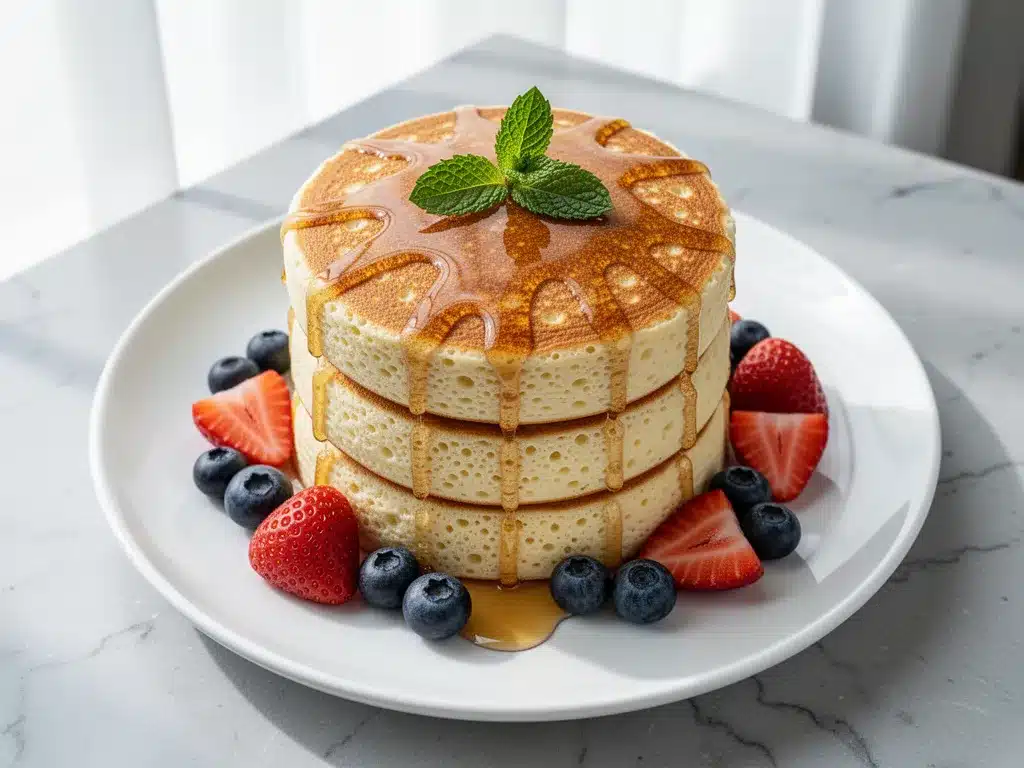
Serve warm with your favorite toppings. I usually do a little butter and sugar-free maple syrup, but the possibilities are endless. These are best eaten fresh, but they reheat well too (more on that later).
Total Time: About 10-12 minutes (2 minutes prep, 10 minutes cooking)
Built-in Troubleshooting
- Pancakes are too runny: Add 1 more tablespoon of flour. Cottage cheese varies in moisture content.
- Pancakes are burning outside but raw inside: Heat is too high. Lower to medium-low. Be patient.
- Pancakes are flat: Your baking powder is old, or you didn’t blend long enough to incorporate air.
- Sticking to the pan: Your pan isn’t hot enough before adding batter, or you didn’t grease it enough. Always test with a drop of water—it should sizzle.
Expert Tips & Tricks
Here’s everything I’ve learned from making this high-protein cottage cheese pancake recipe dozens of times. These tips will save you from my mistakes.
Blend Until Smooth
This is non-negotiable. If you leave chunks of cottage cheese, the pancakes will have weird textures. Blend it until it’s completely silky. If you don’t have a blender, use a food processor or whisk really vigorously. But really, just blend it.
Medium-Low Heat is Key
I know we all want to rush, but high heat is the enemy. These pancakes are delicate. They need gentle, even heat to cook through without burning. I use the medium-low setting on my stove and set a timer so I don’t forget to flip.
Don’t Overmix (If You’re Folding)
Since we’re blending, overmixing isn’t really an issue. But if you add mix-ins like blueberries, fold them in gently at the end. Don’t stir them into the batter aggressively or you’ll break the berries and turn the whole batch purple.
Keep Them Warm
If you’re feeding a family, put a rack in the oven at 200°F and place the cooked pancakes on it. This keeps them warm and crisp while you finish the batch. Stacking them on a plate makes them soggy from steam.
Pro Trick: The Butter Finish
Right after flipping, add a tiny dot of butter on top of the pancake. It melts into the surface, adding richness and helping the second side brown beautifully. It’s a small touch that makes a big difference.
Variations & Substitutions
Once you’ve nailed the basic version, here’s how you can mix it up. I’ve tried all of these.
Banana Cottage Cheese Pancakes
Add ½ a ripe banana to the blender. It adds natural sweetness and moisture. You might need a touch less flour if the banana is very wet. This is my favorite for breakfast because it’s naturally sweet.
Chocolate Protein Pancakes
Add 1 tablespoon of cocoa powder to the blender. If you want extra protein, you can add a scoop of vanilla protein powder, but you’ll need to add a splash of milk or water to thin the batter. These taste like dessert.
Lemon Blueberry
Add the zest of one lemon to the batter and fold in fresh blueberries. It’s bright, fresh, and perfect for spring. The lemon cuts through the richness of the cottage cheese beautifully.
Gluten-Free Version
Swap the all-purpose flour for a 1:1 gluten-free baking blend. The texture is slightly different—often a bit more tender—but it works great. I use Bob’s Red Mill or King Arthur.
Dairy-Free Version
Use dairy-free cottage cheese (made from soy or almonds) and dairy-free butter/oil for cooking. The flavor will be slightly different, but still tasty. It’s a great option for those with sensitivities.
Low-Carb/Keto Option
Use almond flour or coconut flour instead of AP flour. Note: Coconut flour absorbs more liquid, so you may need an extra egg or a splash of almond milk. Almond flour is a more direct swap.
Serving & Storage
Here’s how to enjoy and preserve your high-protein cottage cheese pancake creation.
How to Serve
I usually serve these straight from the pan with a pat of butter and a drizzle of sugar-free maple syrup. But here are other ways I’ve enjoyed them:
- With Fruit — Fresh strawberries, blueberries, or sliced bananas on top. The acidity of the fruit pairs well with the creamy pancakes.
- With Nut Butter — A swipe of almond butter or peanut butter adds healthy fats and keeps you full longer.
- With Greek Yogurt — A dollop of plain Greek yogurt with honey adds extra protein and tang.
- With Whipped Cream — Okay, maybe not every day, but sometimes you just want whipped cream. It’s a treat.
Storage Instructions
Refrigerator:
Store leftovers in an airtight container for up to 3 days. They actually reheat surprisingly well, which is great for meal prep.
Reheating:
Best method: Toaster or toaster oven. Yes, you can put pancakes in the toaster! Pop them in on medium for 1-2 minutes. They come out crispy and warm, just like fresh.
Microwave method: Heat in 30-second intervals. They’ll get soft, so if you want crispness, finish them in a dry skillet for 30 seconds per side.
Never works: Leaving them in a sealed container at room temperature. They’ll get soggy and weird. Always refrigerate.
Freezing:
Yes, these freeze well! Cool them completely, then layer them with parchment paper in a freezer bag. They’ll last up to 2 months. Reheat from frozen in the toaster. This is my go-to for busy mornings when I forget to cook breakfast the night before.
Pro tip: If you’re meal prepping, make a double batch on Sunday. Freeze half immediately. You’ll thank yourself on Wednesday morning when you’re rushing out the door.
Nutrition Information
I’m not a nutritionist, but here’s the breakdown if you’re tracking. Please note that these are estimates based on standard ingredients.
Per Serving (based on 2 pancakes, 1/4 of the recipe):
| Nutrient | Amount |
|---|---|
| Calories | 220 |
| Protein | 18g |
| Carbs | 15g |
| Fiber | 1g |
| Sugar | 4g |
| Fat | 10g |
| Saturated Fat | 5g |
What’s Good:
- High protein content from cottage cheese and eggs.
- Low sugar compared to traditional pancakes.
- Quick to make, encouraging home cooking over processed options.
What to Know:
- Contains dairy and eggs.
- Calorie count can vary based on toppings.
- Protein content may vary slightly by brand of cottage cheese.
My Take:
Look, this is a solid breakfast. It’s not a diet pill, but it’s a nutritious, filling start to the day. I love that I’m getting 18 grams of protein without having to mix a powder into my eggs. When I want to make it lighter, I skip the butter and syrup. But usually? I enjoy it as is because it tastes great.
Final Thoughts
So that’s my high-protein cottage cheese pancake recipe! I’ve probably talked your ear off at this point, but when you find a recipe that changes your morning routine, you have a lot to say about it.
This has saved me from a thousand bad breakfasts. It’s my answer to “what’s for breakfast?” when I’m tired, don’t want takeout, and still want something that tastes really good. My kids are happy, I’m full, and I’m not stressed about cooking.
Make it yours! Try different mix-ins, swap in your favorite toppings, adjust the sweetness. The best recipes are the ones you adapt to your family’s tastes. And if you want to keep your mornings easy, check out my high-protein peanut butter banana shake for even quicker options on days when you truly have zero time.
If you make this, drop a comment and let me know what you think! I love hearing how recipes turn out in your kitchen. And if something doesn’t work, tell me that too—I’m here to help troubleshoot.
Happy cooking! And I hope your kitchen smells half as good as mine does right now.
Frequently Asked Questions
Can I use whey protein powder instead of cottage cheese?
You can, but the texture will be very different. Cottage cheese provides moisture and a unique creamy texture that powder alone can’t replicate. If you use protein powder, you’ll need to adjust the liquid ratio significantly, and it might turn out more like a cake than a pancake. I stick to cottage cheese for the fluffiness.
Why are my pancakes gummy in the middle?
This usually means the heat is too high. The outside cooks fast, but the inside stays raw. Lower your heat to medium-low and give them more time. Also, make sure you’re not making them too thick. A ¼ cup pour is ideal. If they’re too thick, they won’t cook through before burning.
Can I make these ahead of time?
You can make the batter ahead of time, but it’s best to cook them fresh. If you let the batter sit too long, the baking powder loses its potency, and the pancakes won’t rise as well. I recommend mixing the batter in the morning and cooking right away. If you must prep, blend the wet ingredients (cottage cheese, eggs, vanilla) the night before, and add the dry ingredients (flour, baking powder) in the morning.
Do these taste like cottage cheese?
No! Once blended, the cottage cheese loses its distinct taste. It adds creaminess and protein, but you can’t taste the cheese itself. They taste like vanilla pancakes. My kids have no idea they’re eating cottage cheese.
Can I freeze the batter?
No, don’t freeze the batter. The baking powder will stop working, and the texture will be off. Freeze the cooked pancakes instead. They reheat beautifully in the toaster.
What’s the best topping for these?
It depends on your mood! For a classic taste, butter and sugar-free maple syrup. For extra protein, Greek yogurt and berries. For a treat, chocolate chips and whipped cream. I rotate based on what I have in the house.
Can I make these in an air fryer?
Yes! Use a small air fryer-safe pan or silicone mold. Cook at 350°F for about 8-10 minutes, flipping halfway. They’ll be slightly different in texture—more like a cake—but still tasty. Just keep an eye on them so they don’t dry out.
Pin This Recipe!
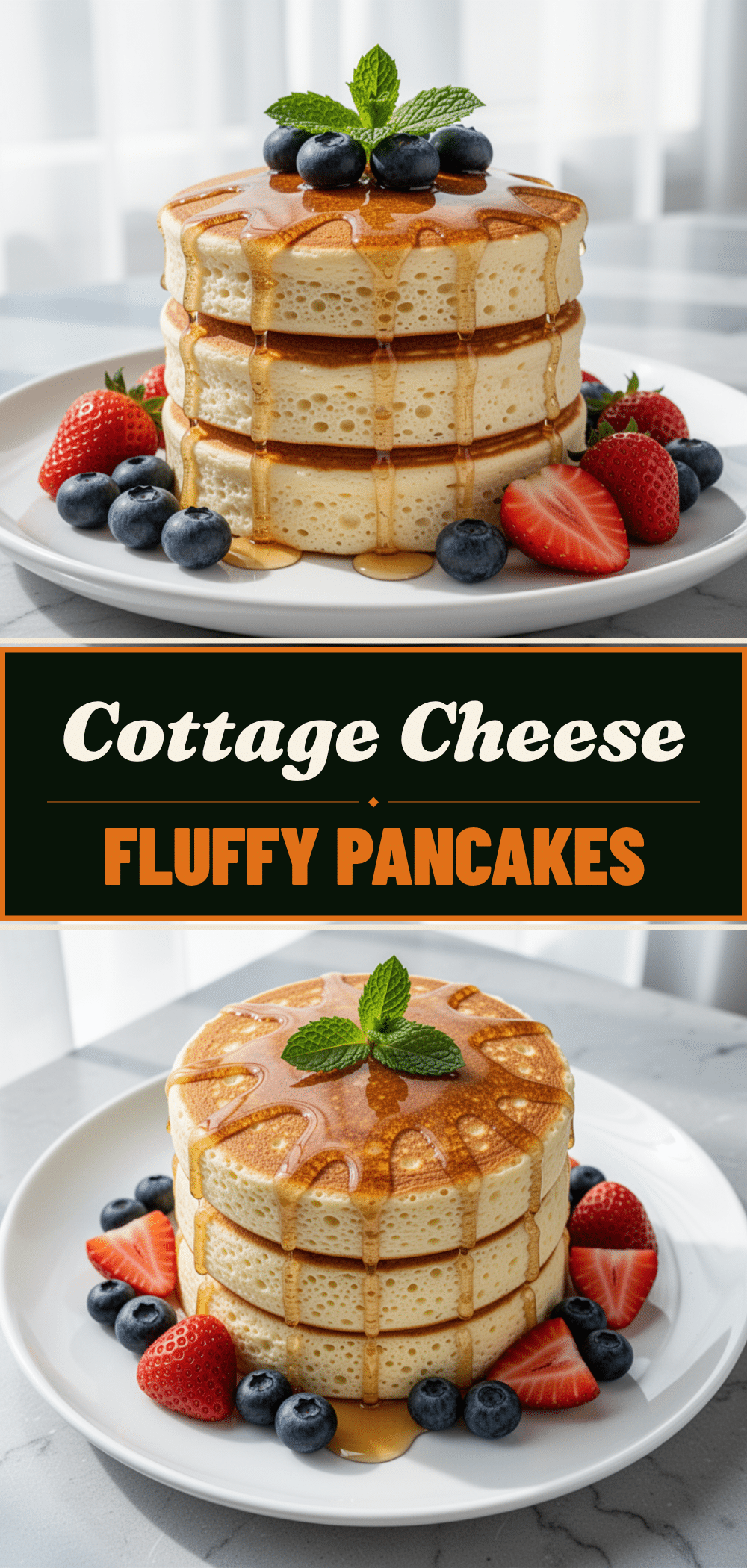
High-Protein Cottage Cheese Pancakes: Easy 5-Ingredient Breakfast
- Total Time: 12 minutes
- Yield: 4 servings 1x
Description
These fluffy, high-protein cottage cheese pancakes are ready in just 10 minutes. Made with only 5 simple ingredients, they offer a delicious, low-sugar breakfast alternative to frozen protein pancakes.
Ingredients
- 1 cup (225g) cottage cheese (small-curd, creamy)
- 2 large eggs
- 3 tablespoons all-purpose flour
- 1 teaspoon baking powder
- 1 teaspoon vanilla extract
- Butter or oil for greasing the pan
- Optional: ½ cup blueberries, 2 tablespoons chocolate chips, ½ teaspoon cinnamon
Instructions
- Add cottage cheese, eggs, vanilla, baking powder, and flour to a blender.
- Pulse to break up curds, then blend on high for 30-45 seconds until completely smooth.
- Let the batter rest for 5 minutes to allow flour to hydrate (optional but recommended).
- Heat a non-stick skillet over medium-low heat and add a small pat of butter or oil.
- Pour about ¼ cup of batter per pancake, cooking 2-3 at a time.
- Cook for 2-3 minutes until bubbles form on the surface and edges look set.
- Flip and cook for another 1-2 minutes until golden brown.
- Serve immediately with desired toppings.
Notes
Blend until completely smooth to avoid chunky texture. Use medium-low heat to prevent burning. If using frozen blueberries, do not thaw them first. These pancakes freeze well; layer with parchment paper in a freezer bag for up to 2 months.
- Prep Time: 2 minutes
- Cook Time: 10 minutes
- Category: Breakfast
- Cuisine: American
Nutrition
- Serving Size: 2 pancakes
- Calories: 220
- Sugar: 4
- Fat: 10
- Saturated Fat: 5
- Carbohydrates: 15
- Fiber: 1
- Protein: 18
Keywords: high protein, cottage cheese pancakes, healthy breakfast, quick breakfast, 5 ingredient recipe, gluten-free option, low sugar