There was a specific Tuesday in early April when I almost gave up on baking gluten-free. It was my sister’s birthday, and she’s been celiac for twenty years. I had promised her a “proper” birthday cake, not those sad, dense muffin-tops we usually settle for. I tried a standard lemon cake recipe from a popular blog, and let’s just say it looked like a brick that had been microwaved for thirty seconds. It was dry, it tasted like almond flour dust, and it cracked down the middle so badly it looked like a earthquake had hit it.
I was standing in my kitchen, staring at a defeated batter, feeling that familiar mix of frustration and hunger. I didn’t want to order from a bakery that charges $45 for a small loaf. I wanted to make something from scratch. So, I threw out the recipe. I grabbed my favorite bundt pan—the one I’ve had since college, the non-stick coating is wearing off but it’s still my best friend—and I started over. I swapped the usual suspects for a blend that actually has structure. I added more zest. I used yogurt for moisture. And I stopped worrying about the “gluten-free” label for a minute and just focused on making a delicious cake.
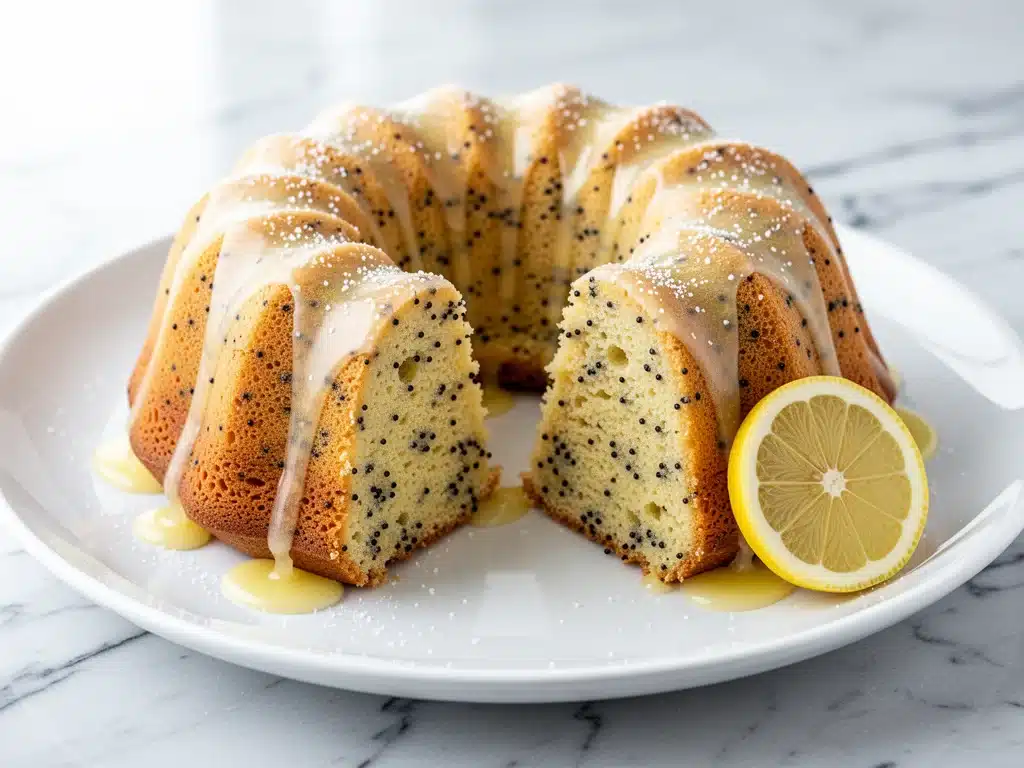
That cake? It was perfect. Moist, tangy, with those little poppy seeds that give it that lovely crunch. My sister took one bite and actually closed her eyes. That’s the moment you know you’ve nailed it. Since then, this Gluten-Free Lemon Poppy Seed Bundt Cake has become the star of every spring gathering. From Easter brunch to Mother’s Day table, it’s the dish that gets the most compliments. And the best part? No one can tell it’s gluten-free. Not even my gluten-loving husband, who usually complains when I switch to GF flour. This cake changes minds.
Why You’ll Love This Gluten-Free Lemon Poppy Seed Bundt Cake
I’ve tested this recipe at least ten times over the last two springs, tweaking the flour blend and the lemon juice ratio until it was foolproof. Here’s why this Gluten-Free Lemon Poppy Seed Bundt Cake has earned a permanent spot in my spring rotation:
- Actually Moist — Most gluten-free cakes dry out by noon. This one stays tender for days. The Greek yogurt and buttermilk keep it lush. I’ve made it Tuesday and had leftovers Friday, and it still tasted fresh. (Just keep it covered!)
- No Weird Aftertaste — I’ve tried so many gluten-free flour blends that leave a bitter, chalky finish. This blend (I swear by King Arthur Measure for Measure) is neutral and sweet. You only taste the lemon and the poppy seeds.
- Show-Stopping Look — The bundt shape makes it look fancy, like something from a patisserie. It doesn’t need much decoration, just a simple powdered sugar glaze. It’s elegant but approachable.
- Make-Ahead Friendly — This cake actually tastes better the next day. The flavors meld together overnight. I bake it the night before a party so I’m not stressed on the day of. It holds up beautifully at room temperature.
- Spring Vibes in Every Bite — Bright, citrusy, and light. It’s the antithesis of heavy holiday desserts. It feels like sunshine on a plate.
This is the recipe I reach for when I want to impress without spending hours in the kitchen. It’s reliable, it’s delicious, and it’s finally the gluten-free cake I’ve been dreaming of.
Ingredients You’ll Need for the Best Gluten-Free Lemon Cake
Here’s the thing about gluten-free baking: the quality of your ingredients matters more than usual. You don’t need anything exotic, but you do need the right tools and the right flours. Here’s exactly what I use.
For the Cake Base
Gluten-Free All-Purpose Flour Blend (2 ½ cups / 315g) — I use King Arthur Measure for Measure. It has xanthan gum in it, which is crucial for structure. If your blend doesn’t have xanthan gum, you’ll need to add 1 teaspoon separately. Do not use rice flour alone—it won’t work.
Baking Powder (1 ½ teaspoons) — Make sure it’s fresh! Old baking powder is the reason your cake doesn’t rise. I keep a new tin just for baking.
Salt (½ teaspoon) — Enhances the lemon flavor. Don’t skip it.
Unsalted Butter (1 cup / 226g, softened) — Room temperature is key. If it’s too cold, it won’t cream properly. If it’s melted, the texture changes. I take it out of the fridge 30 minutes before I start.
Granulated Sugar (1 ½ cups / 300g) — For sweetness and that slight crunch on the outside.
Eggs (3 large, room temperature) — Again, room temp helps the batter emulsify. Cold eggs can cause the butter to seize up. I put them in a bowl of warm water for 5 minutes if I forget.
Lemon Zest (3 medium lemons) — Use organic lemons if you can, since you’re eating the peel. The zest is where all the flavor lives. I use a microplane for the finest zest.
Lemon Juice (½ cup / 120ml, fresh squeezed) — Bottled juice tastes flat and metallic. Squeeze it yourself. It’s worth the effort.
Greek Yogurt (½ cup / 120g, plain) — This is the secret weapon. It adds moisture and tang, replacing the elasticity that gluten usually provides.
Buttermilk (½ cup / 120ml) — Adds tenderness. If you don’t have buttermilk, mix ½ cup milk with 1 tablespoon lemon juice and let it sit for 5 minutes.
Poppy Seeds (2 tablespoons) — For that classic texture. You can buy them pre-measured or just scoop them from the jar.
For the Lemon Glaze
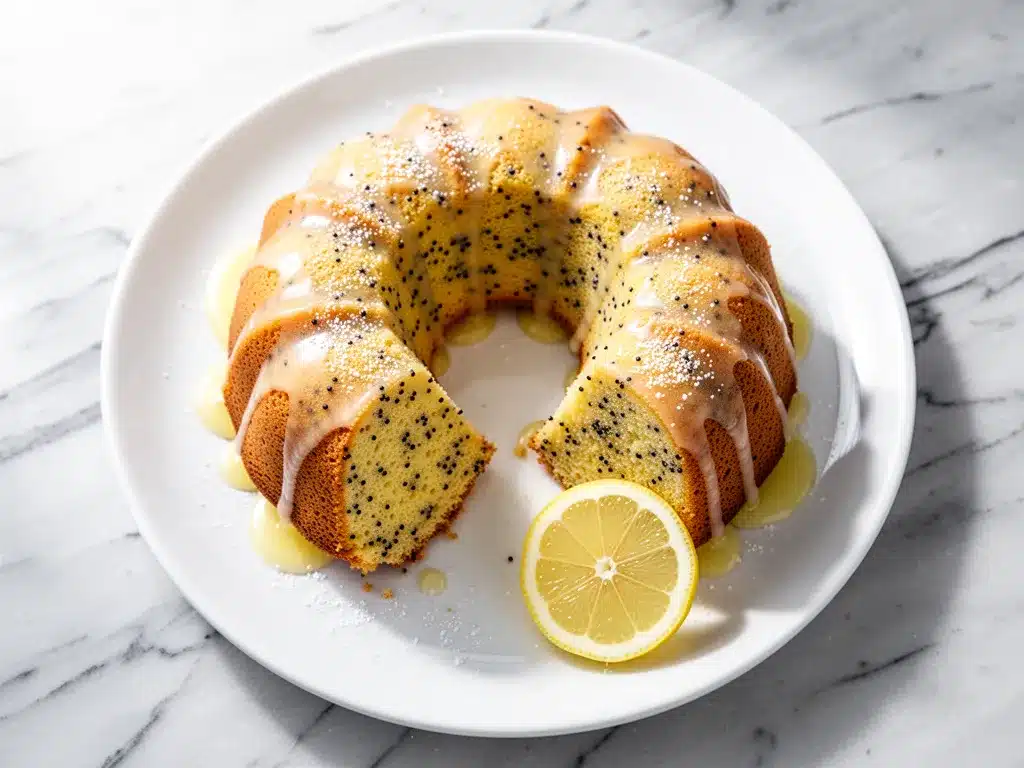
Confectioners’ Sugar (1 cup / 120g) — Sifted to avoid lumps.
Lemon Juice (2-3 tablespoons) — Adjust for consistency.
Lemon Zest (1 teaspoon) — For garnish and extra flavor.
Vanilla Extract (½ teaspoon) — Optional, but I like a hint of warmth.
Tip: I always buy extra lemons. You never know when you’ll need more zest or juice. And please, grate the zest before you juice the lemons. It’s much easier.
Equipment Needed
You don’t need a fancy kitchen for this. Here’s what I actually use:
9-Inch Bundt Pan — This is non-negotiable. The shape helps heat distribute evenly. I use a heavy-duty aluminum pan. Dark pans can over-brown the edges, so stick with light-colored metal.
Mixing Bowls — Two large ones. One for dry, one for wet.
Electric Mixer — Handheld or stand mixer. Creaming the butter and sugar by hand is possible but takes serious arm strength. I’ll take the mixer any day.
Microplane Zester — For fine zest. A regular grater makes the zest too chunky.
Cooling Rack — Essential for cooling the cake evenly.
Spatula — For scraping the bowl. Don’t waste batter!
Sifter or Sieve — For the powdered sugar. Lumpy glaze is a disaster.
How to Make It: Step-by-Step
Alright, let’s bake this cake! I’m walking you through the process, including the little tricks I’ve learned to avoid the common gluten-free pitfalls.
Step 1: Prep Your Pan and Oven (5 minutes)
Preheat your oven to 350°F (175°C). This is crucial. Gluten-free batter needs consistent heat. Grease your bundt pan generously. I use baking spray with flour in it, or I brush it with melted butter and dust it with a little gluten-free flour. Make sure you get every nook and cranny. If the cake sticks, it will break when you try to get it out.
Step 2: Mix the Dry Ingredients (2 minutes)
In a medium bowl, whisk together the gluten-free flour, baking powder, and salt. Whisking ensures the leavening agent is evenly distributed. If your flour blend doesn’t have xanthan gum, add 1 teaspoon now. Set aside.
Step 3: Cream the Butter and Sugar (3-4 minutes)
In a large bowl, beat the softened butter and granulated sugar on medium-high speed until light and fluffy. This takes about 3 minutes. You want the mixture to look pale and airy. This step incorporates air, which helps the cake rise. Scrape down the sides of the bowl with a spatula.
Step 4: Add Eggs and Zest (2 minutes)
Add the eggs one at a time, beating well after each addition. Then, add the lemon zest. Mix until combined. The zest will infuse the butter mixture with flavor.
Step 5: Combine Wet and Dry (3 minutes)
Reduce the mixer speed to low. Add the dry ingredients in three additions, alternating with the buttermilk and Greek yogurt. Start and end with the dry ingredients. Mix just until combined. Do not overmix! Gluten-free flour can become gummy if you mix too much. The batter will be thick.
Step 6: Fold in Poppy Seeds
Using a spatula, gently fold in the poppy seeds. Make sure they’re evenly distributed.
Step 7: Bake (45-50 minutes)
Pour the batter into the prepared bundt pan. Smooth the top. Bake for 45-50 minutes. The cake is done when a toothpick inserted into the center comes out clean or with just a few moist crumbs. The top should be golden brown. If it’s browning too fast, cover it loosely with foil after 30 minutes.
Step 8: Cool and Glaze (1 hour)
Let the cake cool in the pan for 10 minutes. Then, invert it onto a cooling rack. Let it cool completely before glazing. If you glaze a warm cake, the glaze will melt right off. Once cool, whisk the powdered sugar, lemon juice, and zest. Drizzle over the cake. Enjoy!
Expert Tips & Tricks
Here’s everything I’ve learned from making this cake dozens of times. These tips will save you from my mistakes.
Room Temperature Ingredients — This is the #1 rule. Cold butter, cold eggs, cold yogurt—they won’t blend properly. Take everything out of the fridge an hour before you start. It makes a huge difference in texture.
Don’t Overmix — Gluten-free flour behaves differently. Overmixing leads to a dense, gummy cake. Mix until just combined. It’s okay if there are a few small lumps.
Check Your Oven — Ovens vary. Use an oven thermometer to make sure your oven is actually 350°F. If it’s too hot, the outside will burn before the inside cooks.
The Toothpick Test — Don’t rely on time alone. Check the cake at 40 minutes. If the toothpick is wet, give it more time. If it’s clean, it’s done.
Cool Completely — I know it’s tempting to cut into it warm. But gluten-free cakes are fragile when warm. Let it cool completely to set the structure.
Variations & Substitutions
Once you’ve nailed the basic version, here’s how you can mix it up. I’ve tried all of these.
Blueberry Lemon — Fold in 1 cup of fresh or frozen blueberries. Toss them in a little flour first to prevent sinking.
Raspberry Glaze — Swap the lemon glaze for a raspberry glaze using raspberry jam and water.
Coconut Flour — You can’t substitute 1:1. Coconut flour absorbs more liquid. You’d need to adjust the recipe significantly. I stick to all-purpose GF flour for reliability.
Dairy-Free — Use coconut oil instead of butter, and coconut yogurt instead of Greek yogurt. It works, but the flavor will be slightly different.
Gluten-Free Flour Brands — King Arthur Measure for Measure is my go-to. Bob’s Red Mill 1-to-1 is also good. Avoid blends with lots of rice flour—they’re gritty.
Serving & Storage
How to Serve: I serve this cake plain, with just the glaze. It’s perfect with coffee or tea. For a special touch, add a dollop of whipped cream or a scoop of vanilla ice cream.
Side Dishes: Fresh berries, a simple green salad, or even savory brunch items like bacon and eggs. It’s versatile.
Storage: Store in an airtight container at room temperature for up to 3 days. It stays moist! If your kitchen is very hot, refrigerate it. It will last up to 5 days in the fridge.
Freezing: Yes, you can freeze it! Wrap the cooled cake tightly in plastic wrap, then in foil. It will last up to 3 months. Thaw overnight in the fridge. The glaze might crack, but it’s fine.
Pro Tip: If the cake seems a bit dry after a few days, brush it with a little simple syrup (sugar and water) to add moisture back.
Nutrition Information
I’m not a nutritionist, but here’s the breakdown if you’re tracking. (Based on 12 slices)
- Calories: 320
- Protein: 4g
- Carbs: 42g
- Fiber: 1g
- Sugar: 28g
- Fat: 14g
- Saturated Fat: 8g
- Cholesterol: 55mg
- Sodium: 180mg
Look, this is a cake. It’s sweet and indulgent. But it’s made with real ingredients, and it’s safe for celiacs. When I want to make it lighter, I reduce the sugar by ¼ cup and use a lighter glaze. But usually? I just enjoy a slice and savor the spring flavors.
Final Thoughts
So that’s my Gluten-Free Lemon Poppy Seed Bundt Cake! I’ve talked your ear off, but when you make a recipe this often, you have a lot to say about it. This cake has saved my sanity at family gatherings. It’s my answer to “what’s for dessert?” when I want something special but gluten-free. My family is happy, my guests are happy, and I’m happy because I’m not stressed about finding a safe dessert.
Make it yours! Try different berries, change the glaze, or add a layer of curd. The best recipes are the ones you adapt to your tastes. If you make this, drop a comment and let me know what you think! I love hearing how recipes turn out in your kitchen. And if something doesn’t work, tell me that too—I’m here to help troubleshoot.
Happy baking! And I hope your kitchen smells half as good as mine does right now.
Frequently Asked Questions
Can I use a different flour blend?
You can, but not all blends are created equal. I recommend a blend that includes xanthan gum and has a good balance of rice flour, tapioca, and potato starch. Avoid blends that are mostly cornstarch or potato starch—they’re too gummy. King Arthur Measure for Measure is the most reliable for beginners.
Why did my cake stick to the pan?
This is the most common bundt pan issue. Make sure you grease every crevice thoroughly. Use baking spray with flour, or brush with butter and dust with flour. Also, let the cake cool in the pan for 10 minutes before inverting. If you wait too long, it can stick as it cools completely.
Can I make this cake ahead of time?
Yes! In fact, it tastes better the next day. Bake it, let it cool completely, and store it in an airtight container. Glaze it the day you serve it, or glaze it the night before. It holds up beautifully at room temperature.
Why is my cake dense?
Overmixing is the usual culprit. Also, check your baking powder. If it’s old, it won’t rise. Make sure your ingredients are at room temperature so they emulsify properly. And don’t pack the flour into your measuring cup—spoon and level it.
Can I use bottled lemon juice?
I don’t recommend it. Bottled juice has preservatives and lacks the bright, fresh flavor of real lemons. The zest is also essential. If you’re in a pinch, use the juice, but add extra zest to compensate. Fresh is always better.
How do I reheat leftovers?
You don’t need to reheat it. It’s best served at room temperature. If you prefer it warm, microwave a slice for 10-15 seconds. Don’t overdo it, or it will dry out.
Can I freeze this cake?
Yes! Wrap the cooled cake tightly in plastic wrap, then in foil. Freeze for up to 3 months. Thaw overnight in the fridge. The glaze might crack, but it’s fine. You can always add a fresh drizzle of glaze after thawing.
Pin This Recipe!
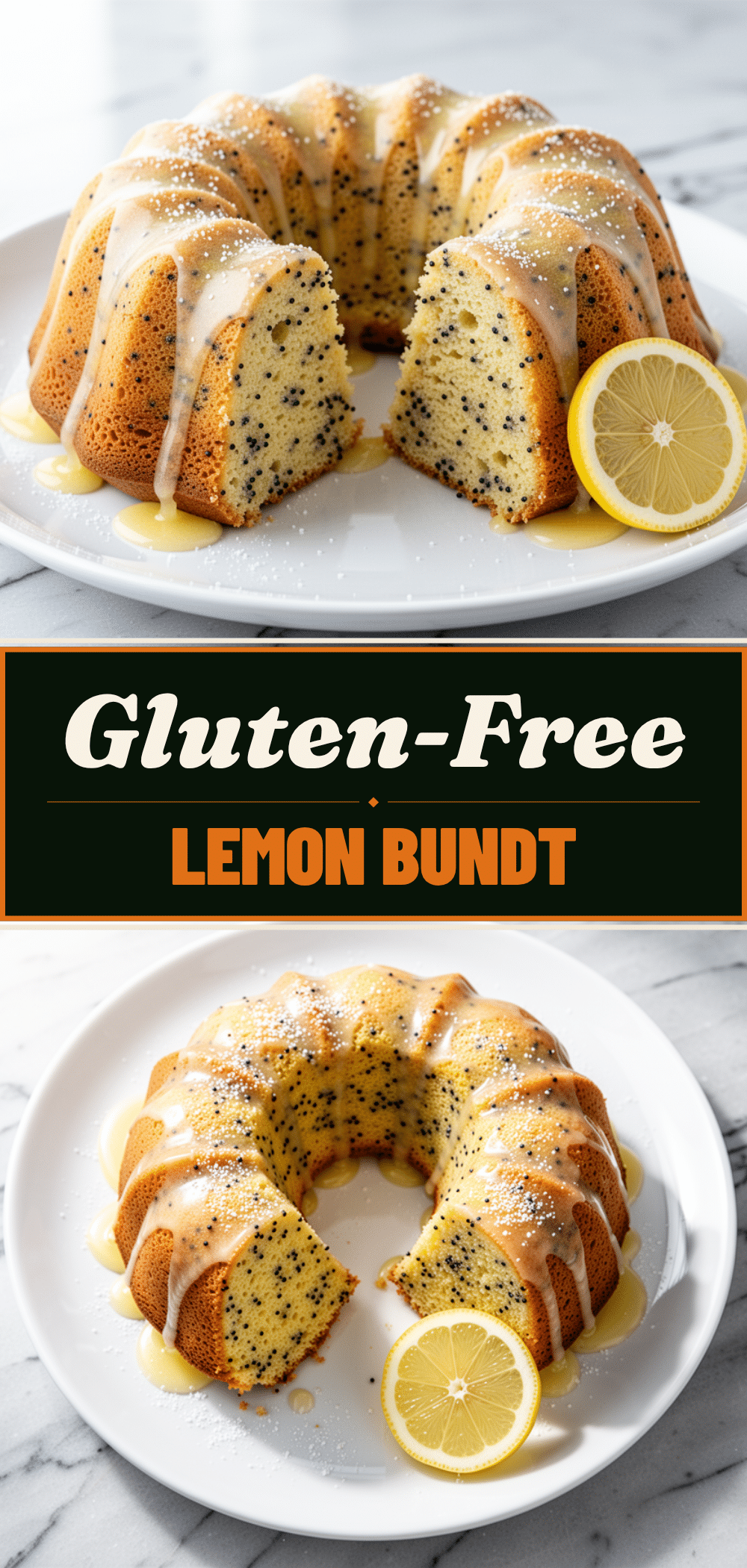
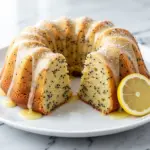
Gluten-Free Lemon Poppy Seed Bundt Cake
- Total Time: 1 hour 5 minutes
- Yield: 12 servings 1x
Description
A moist, tangy, and show-stopping gluten-free lemon cake with poppy seeds that stays tender for days. Perfect for spring gatherings and safe for celiacs.
Ingredients
- 2 ½ cups (315g) Gluten-Free All-Purpose Flour Blend (with xanthan gum)
- 1 ½ teaspoons Baking Powder
- ½ teaspoon Salt
- 1 cup (226g) Unsalted Butter, softened
- 1 ½ cups (300g) Granulated Sugar
- 3 large Eggs, room temperature
- Zest of 3 medium lemons
- ½ cup (120ml) Fresh Lemon Juice
- ½ cup (120g) Plain Greek Yogurt
- ½ cup (120ml) Buttermilk
- 2 tablespoons Poppy Seeds
- 1 cup (120g) Confectioners’ Sugar (for glaze)
- 2–3 tablespoons Lemon Juice (for glaze)
- 1 teaspoon Lemon Zest (for glaze)
- ½ teaspoon Vanilla Extract (optional, for glaze)
Instructions
- Preheat oven to 350°F (175°C). Grease a 9-inch bundt pan generously with baking spray containing flour or butter and dust with gluten-free flour.
- In a medium bowl, whisk together the gluten-free flour, baking powder, and salt. If your flour blend lacks xanthan gum, add 1 teaspoon now.
- In a large bowl, beat the softened butter and granulated sugar on medium-high speed until light and fluffy (about 3 minutes). Scrape down the sides of the bowl.
- Add eggs one at a time, beating well after each addition. Mix in the lemon zest until combined.
- Reduce mixer speed to low. Add dry ingredients in three additions, alternating with buttermilk and Greek yogurt. Start and end with dry ingredients. Mix just until combined; do not overmix.
- Gently fold in the poppy seeds using a spatula.
- Pour batter into the prepared bundt pan and smooth the top. Bake for 45-50 minutes, or until a toothpick inserted into the center comes out clean. Cover loosely with foil if browning too quickly after 30 minutes.
- Let the cake cool in the pan for 10 minutes, then invert onto a cooling rack to cool completely.
- Whisk confectioners’ sugar, 2-3 tablespoons lemon juice, lemon zest, and vanilla extract until smooth. Drizzle over the completely cooled cake.
Notes
Ensure all ingredients are at room temperature for proper emulsification. Do not overmix the batter to avoid a gummy texture. The cake tastes better the next day as flavors meld. Store in an airtight container at room temperature for up to 3 days or freeze for up to 3 months.
- Prep Time: 15 minutes
- Cook Time: 50 minutes
- Category: Dessert
- Cuisine: American
Nutrition
- Serving Size: 1 slice
- Calories: 320
- Sugar: 28
- Sodium: 180
- Fat: 14
- Saturated Fat: 8
- Carbohydrates: 42
- Fiber: 1
- Protein: 4
Keywords: gluten-free, lemon cake, poppy seed, bundt cake, spring recipe, celiac friendly, dairy-free option