It was the Sunday before Thanksgiving, and I was standing in my kitchen, staring at a pot of potatoes that looked less like a side dish and more like a science experiment gone wrong. My aunt’s recipe called for “a stick of butter,” which I interpreted as one stick. The result? Gritty, cold lumps of potato that refused to blend, no matter how vigorously I whipped them. I remember feeling that familiar knot of anxiety tighten in my stomach—the dread of serving a mediocre side dish while everyone else was bringing homemade pies and perfectly roasted turkeys.
That failure haunts me to this day. But it also led me on a three-year quest to find the absolute best way to make mashed potatoes. Not just good. Not just “fine for Thanksgiving.” I’m talking about the kind of potatoes that make people close their eyes, take a bite, and forget what they were talking about. The kind that disappear from the bowl before you’ve even finished plating the main course.
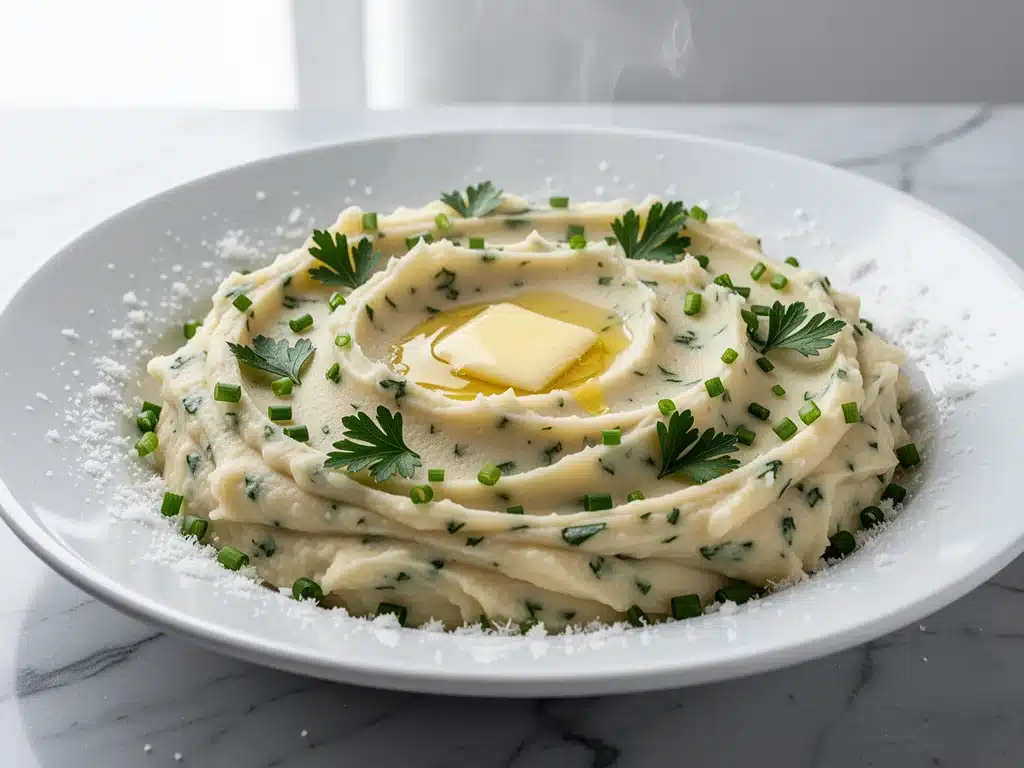
After testing at least a dozen methods—some involving milk, some with cream, some with raw eggs (don’t ask)—I finally cracked the code. It wasn’t about buying expensive equipment or using fancy potatoes. It was about technique. Specifically, the technique of making creamy herb whipped mashed potatoes that are so light, so fluffy, and so packed with fresh flavor that they become the star of the table, not just an afterthought.
This recipe has saved me more times than I can count. I make these creamy herb whipped mashed potatoes for date nights, for potlucks where I need to impress, and honestly, just for Tuesday nights when I want something that feels like a hug in a bowl. The secret? A food processor. And a whole bunch of fresh herbs. Trust me on this one.
Why You’ll Love This Recipe
There are a million mashed potato recipes out there. So why this one? Because this is the only version that consistently delivers restaurant-quality texture without the restaurant-quality effort. Here’s why this recipe has earned a permanent spot in my weekly rotation:
- The Texture Is Unbelievable — We’re talking clouds. Like, actual clouds. The food processor aerates the potatoes so much that they become impossibly light and smooth. No lumps. No grit. Just pure, velvety comfort.
- Fresh Herb Flavor That Actually Shines — Most mashed potatoes taste like salted starch. These taste like *herbs*. Fresh rosemary, thyme, and chives are folded in at the end, giving every bite a bright, aromatic kick that cuts through the richness.
- It’s Actually Fast — Yes, boiling potatoes takes time. But the active prep and whipping time is under 15 minutes. I can have dinner on the table in 45 minutes flat, even if I start when I walk in the door.
- It Feels Fancy, But It’s Cheap — You’re using basic russet potatoes, butter, cream, and herbs I keep in a jar on my counter. It looks like something from a high-end bistro, but it costs less than $10 to make.
- Leftovers Taste Better — I know, I know. Leftover mashed potatoes are usually dry and sad. Not these. Because of the high fat content and the whipped texture, they reheat beautifully and stay creamy for days.
This recipe is my go-to when I want to feel like a good cook without actually trying hard. It’s reliable, it’s delicious, and it makes my family ask, “Did you buy these at a restaurant?” No, sweetie. I made them. Again.
Ingredients You’ll Need
Here’s the thing about mashed potatoes: the ingredient list is short, which means every single item matters. You can’t hide bad butter behind spices. So, I’m particular about what I use. Here’s exactly what you need and why it makes a difference in your creamy herb whipped mashed potatoes.
The Potatoes
Russet Potatoes (3 large, about 2.5 lbs / 1.1 kg) — Yes, russets. I know some people swear for Yukon Golds, but for whipped potatoes, russets are king. They have a high starch content and low moisture, which means they break down into a fluffy, airy texture rather than a gummy paste. Look for potatoes that are firm and free of green spots.
The Dairy & Fat
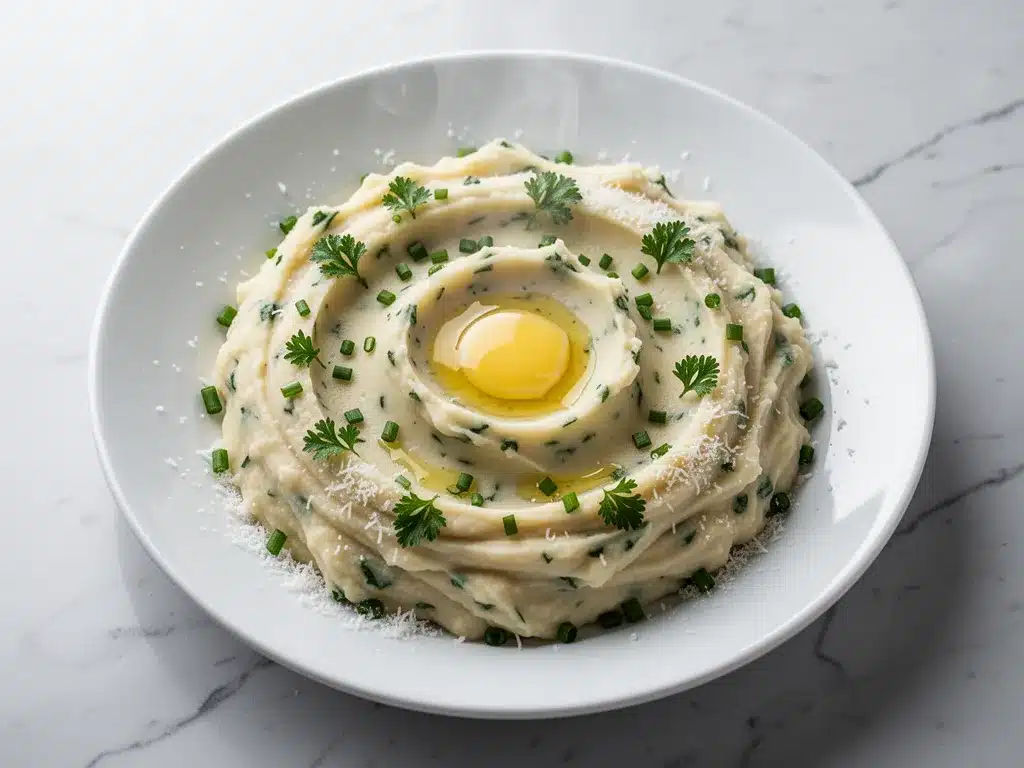
Unsalted Butter (½ cup / 115g, softened) — Do not use salted butter. You need to control the salt level yourself. Soften the butter at room temperature for 30 minutes before you start. Cold butter will seize up and create lumps. This is non-negotiable.
Heavy Cream (½ cup / 120ml, warmed) — I use heavy cream for maximum richness and that luxurious mouthfeel. Whole milk works if you’re watching calories, but the texture won’t be as silky. Warm the cream in the microwave for 30 seconds before adding. Cold cream cools the potatoes down and makes them gluey.
The Flavor Builders
Fresh Garlic (3 cloves, minced) — Use fresh garlic. Jarred garlic has a sulfurous, metallic taste that clashes with the delicate herbs. Mince it finely so you don’t get big chunks in your bite.
Fresh Rosemary (1 tablespoon, finely chopped) — Rosemary is piney and strong. It needs to be chopped fine so it disperses evenly. If you don’t like rosemary, swap it for thyme or sage.
Fresh Thyme (1 tablespoon, leaves stripped) — Thyme adds an earthy, subtle background note that balances the rosemary. It’s the unsung hero of this dish.
Fresh Chives (2 tablespoons, chopped) — Chives are added at the very end. They provide a fresh, oniony pop that brightens up the heavy, rich potatoes.
Salt (1½ teaspoons kosher salt, plus more for water) — Kosher salt is best because it’s easier to control. Table salt is too dense and can easily make the dish too salty. Adjust to taste at the end.
Black Pepper (½ teaspoon, freshly cracked) — Just a little bit to add warmth. Don’t overdo it; you want the herbs to shine.
Equipment Needed
You don’t need a fancy kitchen to make this, but you do need the right tools to get that whipped texture. Here’s what I actually use:
- Food Processor — This is the game-changer. A food processor whips air into the potatoes, creating that impossibly light texture. A hand mixer works too, but it takes longer and requires more elbow grease. Avoid a potato masher for this specific recipe; it won’t get the same smoothness.
- Large Stockpot — You need enough room for the potatoes to boil freely. A 6-quart pot is perfect.
- Colander — For draining the potatoes. A fine-mesh sieve is an alternative, but it’s harder to drain a big batch.
- Small Saucepan or Microwave-Safe Bowl — For warming the cream and butter.
- Sharp Knife & Cutting Board — For peeling and chopping the herbs.
Quick note: If you don’t have a food processor, you can use a stand mixer with the paddle attachment, but you’ll need to scrape down the bowl frequently. Do not use a blender; it will turn the potatoes into a gluey, elastic mess. Trust me.
How to Make It: Step-by-Step
Alright, let’s get cooking. This process is simple, but timing is everything. I’m walking you through exactly how I do it, including the little tricks that keep the potatoes hot and fluffy.
Step 1: Prep the Potatoes (10 minutes)
Peel the russet potatoes and cut them into uniform 1.5-inch cubes. Uniformity is key here; if some pieces are big and some are small, the small ones will turn to mush before the big ones are cooked. Place the cubes in a large stockpot and cover with cold water by about an inch. Add 1 tablespoon of salt to the water. This seasons the potatoes from the inside out.
Step 2: Boil Until Tender (15-20 minutes)
Bring the pot to a boil over high heat, then reduce to a steady simmer. Cook the potatoes until they are fork-tender. This usually takes 15-20 minutes. To test, pierce a cube with a fork; it should slide through with zero resistance. If it feels hard in the center, keep cooking. Do not overcook them to the point of falling apart, or they’ll absorb too much water.
Step 3: Drain and Dry (5 minutes)
Once tender, drain the potatoes in a colander. Let them sit in the colander for about 2 minutes to steam off excess moisture. This step is crucial; if the potatoes are wet, your whipped mash will be soupy. For extra dryness, you can return the potatoes to the hot (turned off) pot and shake it gently for a minute to evaporate remaining water. I do this every time.
Step 4: Warm the Dairy (2 minutes)
While the potatoes are draining, warm the heavy cream and softened butter together. You can do this in a small saucepan over low heat or in the microwave for 30-45 seconds. The mixture should be hot but not boiling. Adding hot dairy to hot potatoes helps them absorb the fat better and keeps the final dish warm.
Step 5: Process the Potatoes (2 minutes)
Transfer the hot, drained potatoes to the bowl of a food processor. Pulse a few times to break them down. Then, with the motor running, slowly pour in the warm cream-butter mixture through the feed tube. Process for about 30-60 seconds until the mixture is completely smooth and creamy. Scrape down the sides of the bowl with a spatula to ensure everything is incorporated.
Step 6: Add Herbs and Season (1 minute)
Stop the processor. Add the minced garlic, chopped rosemary, thyme, salt, and pepper. Pulse just 3-4 times to combine. You want the herbs distributed evenly, but you don’t want to over-process them, or they’ll turn the potatoes green or bitter. Taste and adjust salt if needed.
Step 7: Fold in Chives and Serve
Transfer the whipped potatoes to a serving bowl. Gently fold in the fresh chives with a spoon. This preserves their bright color and fresh flavor. Serve immediately while hot. If you’re serving them later, keep them warm in a heat-proof bowl set over a pot of simmering water (double boiler method).
Expert Tips & Tricks
Here’s everything I’ve learned from making this recipe dozens of times. These tips will save you from my early mistakes.
- Don’t Skip the Drying Step — Wet potatoes are the enemy of creamy mashed potatoes. After draining, let them steam dry. If you’re in a hurry, put them back in the hot pot on low heat for 2 minutes, stirring constantly. This evaporates the water.
- Warm Everything — Cold dairy = cold, gluey potatoes. Warm dairy = smooth, airy, hot potatoes. It sounds like a small thing, but it makes a huge difference in texture.
- Don’t Over-Process — Potatoes contain starch. If you process them too long, the starch molecules link up and become elastic (like bread dough). You want creamy, not gummy. Stop as soon as it’s smooth.
- Use a Food Processor, Not a Blender — I repeat: do not use a blender. Blenders incorporate too much air and heat, leading to a sticky texture. A food processor gives you control.
- Season Aggressively — Potatoes are bland. They need salt to taste like anything at all. Don’t be shy with the salt, but taste as you go. Add more at the end if needed.
Variations & Substitutions
Once you’ve mastered the base, here’s how you can mix it up. I’ve tried all of these variations.
Garlic Lover’s Version
Double the garlic to 6 cloves, and add 1 teaspoon of garlic powder to the mix. For extra depth, sauté the minced garlic in 1 tablespoon of butter before adding it to the processor.
Cheesy Whipped Potatoes
Add 1 cup of freshly grated sharp cheddar or Gruyère cheese along with the cream. The cheese melts into the mixture, making it even richer. This is great for game day.
Herb-Free (Plain)
Simply omit the rosemary, thyme, and chives. Add extra black pepper and a pinch of nutmeg for a classic, comforting taste. My kids prefer it this way sometimes.
Dairy-Free Option
Replace butter with olive oil or dairy-free butter, and heavy cream with full-fat coconut milk. The flavor will be different (slightly coconutty), but the texture will still be creamy and whipped.
Gluten-Free
This recipe is naturally gluten-free. Just ensure your butter and cream are certified gluten-free if you have celiac disease (cross-contamination is rare but possible).
Serving & Storage
How do you serve these beauties? And what happens to the leftovers?
How to Serve
I usually serve these straight from the food processor bowl for a rustic look, or transfer them to a warm serving dish. Top with an extra sprinkle of chives and a crack of black pepper. They pair beautifully with roasted chicken, grilled steak, or holiday turkey.
Storing Leftovers
Store leftovers in an airtight container in the refrigerator for up to 4 days. The potatoes will thicken as they cool. This is normal.
Reheating
To reheat, add a splash of milk or cream to the potatoes. Warm them gently in a saucepan over low heat, stirring constantly until creamy again. You can also microwave them in 30-second intervals, stirring between each, adding a little liquid as needed. Do not try to reheat them in the oven without adding liquid; they will dry out.
Freezing
I don’t recommend freezing these. The high water content and dairy can separate when thawed, resulting in a grainy texture. It’s best to make them fresh.
Nutrition Information
I’m not a nutritionist, but here’s the breakdown if you’re tracking. Keep in mind that this is a rich dish, so portion control is key.
Per Serving (based on 6 servings):
- Calories: 280
- Protein: 5g
- Carbs: 32g
- Fiber: 3g
- Sugar: 2g
- Fat: 14g
- Saturated Fat: 8g
- Cholesterol: 35mg
- Sodium: 320mg
These are lighter than traditional buttery mashed potatoes because we’re whipping them with less fat, but they’re still indulgent. If you want to lighten them up further, swap half the heavy cream for whole milk and reduce the butter to ¼ cup.
Final Thoughts
So, that’s my secret to making the best creamy herb whipped mashed potatoes. It’s not about fancy ingredients; it’s about technique. Warm dairy, dry potatoes, and a food processor. That’s it.
This recipe has turned me from a person who dreads side dishes into someone who looks forward to making them. It’s comforting, it’s easy, and it’s always a hit. Whether you’re feeding a crowd or just cooking for two, these potatoes will make you feel like a pro.
Make them this week. Your taste buds will thank you. And if you have any questions, drop them in the comments. I’m here to help!
Frequently Asked Questions
Can I use Yukon Gold potatoes instead of Russets?
You can, but the texture will be different. Yukon Golds are waxier and creamier, while Russets are fluffier and starchier. For whipped potatoes, Russets are better because they absorb more air and fat. If you use Yukon Golds, you may need slightly less cream to achieve the same consistency.
Why are my mashed potatoes gluey?
This usually happens from over-processing. The more you blend potatoes, the more starch is released, leading to a gummy texture. Process just until smooth. Also, ensure you’re using a food processor, not a blender, which incorporates too much air and heat.
Can I make these ahead of time?
Yes. Make the potatoes up to 2 hours ahead. Keep them warm in a heat-proof bowl set over a pot of simmering water. Stir in a little extra warm cream before serving to refresh the texture.
Why did my sauce separate?
If you’re referring to the dairy separating, it’s likely because the cream was too cold or the potatoes were too cool. Always use warm dairy and hot potatoes. If the mixture looks grainy, it might be the cheese (if you added it) or the butter. Whisk vigorously over low heat to emulsify it back together.
Can I add bacon to this?
Absolutely. Crisp up some bacon, crumble it, and fold it in at the end. It adds a salty, smoky crunch that pairs perfectly with the herbs. This is a favorite variation for my husband.
How do I store leftovers?
Store in an airtight container in the fridge for up to 4 days. Reheat with a splash of milk or cream to restore creaminess.
Pin This Recipe!
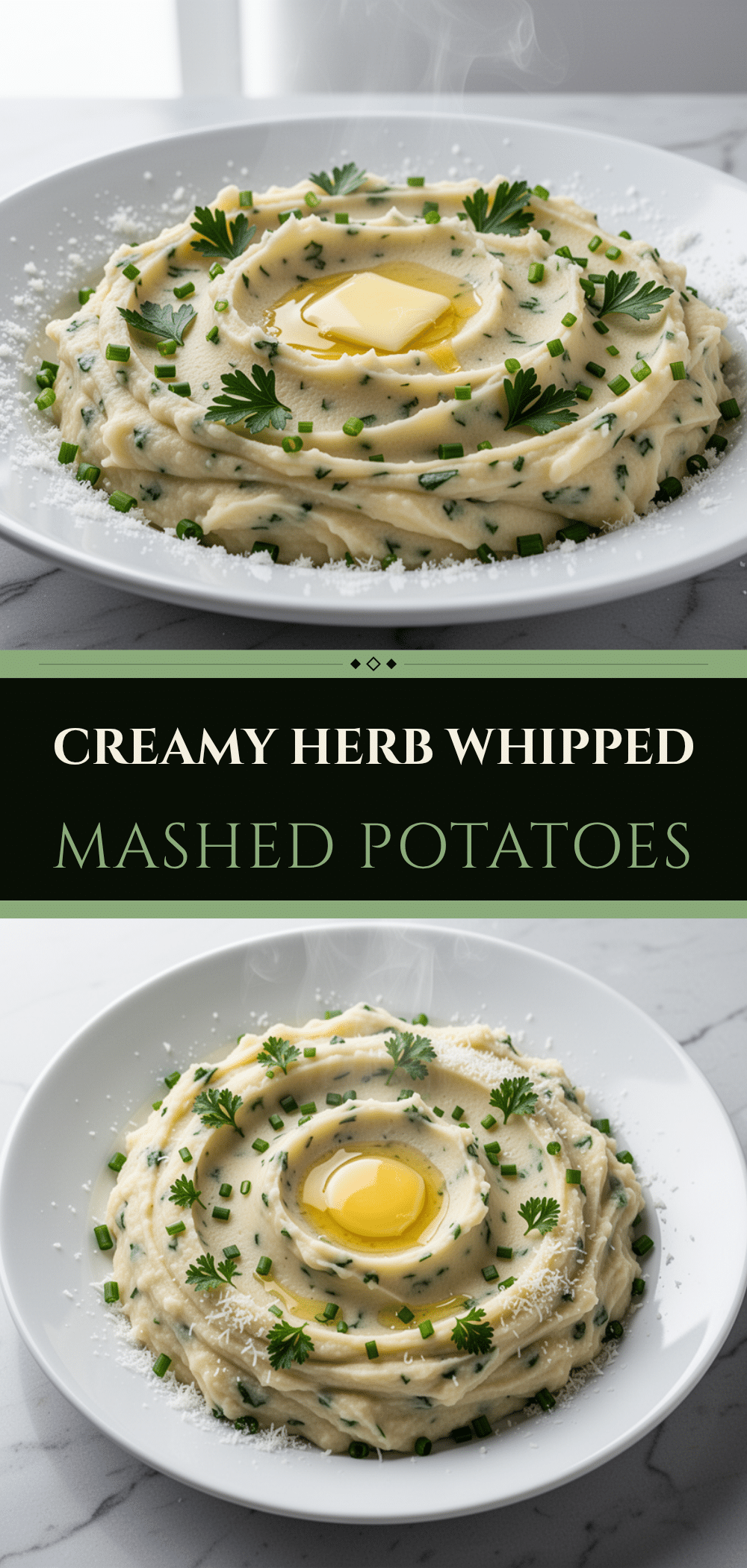
Creamy Herb Whipped Mashed Potatoes: Best Easy Recipe
- Total Time: 45 minutes
- Yield: 6 servings 1x
Description
Light, fluffy, and restaurant-quality mashed potatoes made with a food processor, fresh herbs, and warm dairy for a velvety texture that disappears before you’re done plating.
Ingredients
- 3 large Russet potatoes (about 2.5 lbs / 1.1 kg), peeled and cut into 1.5-inch cubes
- 1 tablespoon salt (for boiling water)
- 1/2 cup unsalted butter (115g), softened
- 1/2 cup heavy cream (120ml), warmed
- 3 cloves fresh garlic, minced
- 1 tablespoon fresh rosemary, finely chopped
- 1 tablespoon fresh thyme leaves
- 2 tablespoons fresh chives, chopped
- 1 1/2 teaspoons kosher salt
- 1/2 teaspoon freshly cracked black pepper
Instructions
- Peel potatoes and cut into uniform 1.5-inch cubes. Place in a large stockpot, cover with cold water by an inch, and add 1 tablespoon of salt.
- Bring to a boil over high heat, then reduce to a steady simmer. Cook for 15-20 minutes until fork-tender.
- Drain potatoes in a colander and let them steam dry for 2 minutes. For extra dryness, return to the hot pot and shake gently for a minute.
- While potatoes drain, warm the butter and heavy cream together in a saucepan or microwave until hot but not boiling.
- Transfer hot potatoes to a food processor. Pulse to break down, then slowly pour in the warm cream-butter mixture while processing. Process for 30-60 seconds until smooth.
- Stop the processor and add minced garlic, rosemary, thyme, kosher salt, and pepper. Pulse 3-4 times to combine.
- Transfer to a serving bowl and gently fold in fresh chives. Serve immediately.
Notes
Do not use a blender as it will make the potatoes gluey. Ensure all dairy is warmed before adding to prevent cold, gluey potatoes. Do not over-process to avoid releasing too much starch. Potatoes are naturally gluten-free but check butter/cream labels if celiac.
- Prep Time: 10 minutes
- Cook Time: 20 minutes
- Category: Side Dish
- Cuisine: American
Nutrition
- Serving Size: 1/6 of the batch
- Calories: 280
- Sugar: 2
- Sodium: 320
- Fat: 14
- Saturated Fat: 8
- Carbohydrates: 32
- Fiber: 3
- Protein: 5
Keywords: mashed potatoes, whipped potatoes, herb mashed potatoes, Thanksgiving side dish, easy mashed potatoes, creamy potatoes, russet potatoes, food processor recipe