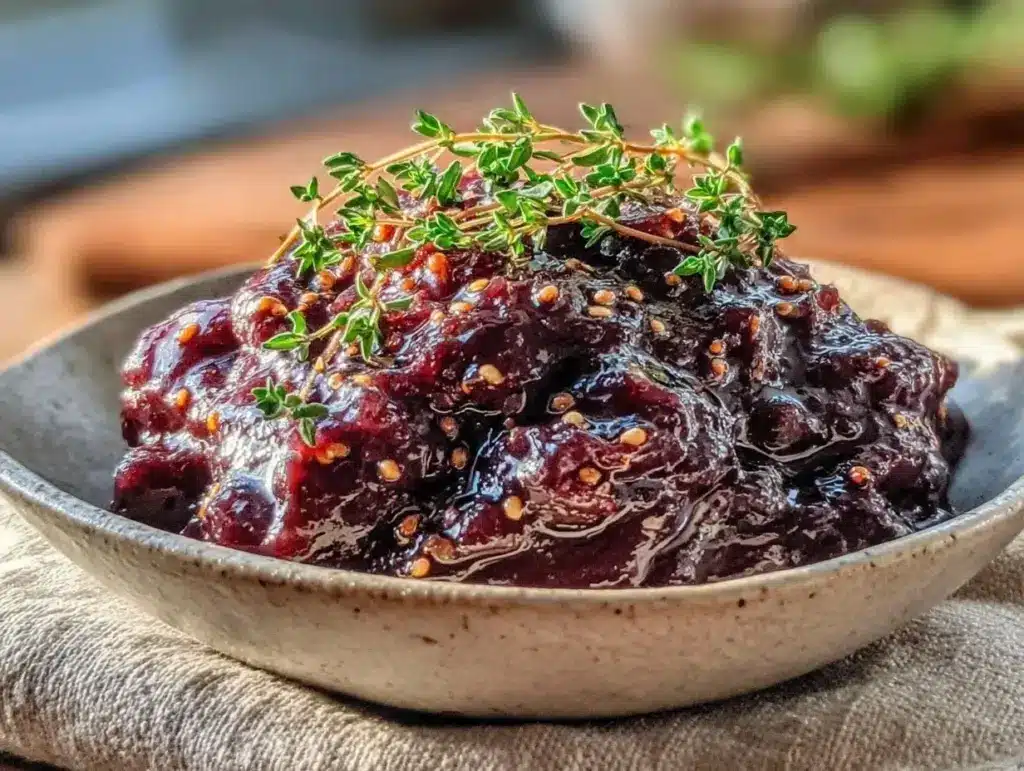
I still remember the first time I tasted fig jam. It was at a friend’s house in late October, sitting on a charcuterie board next to some sharp aged cheddar and a few slices of prosciutto. I didn’t even think about it. I just took a bite, and suddenly the whole room seemed to quiet down. It wasn’t just sweet. It was complex. There was that deep, molasses-like richness of the figs, but then this bright, tangy kick from the balsamic, and this subtle herbal note that I couldn’t quite place until my friend smiled and said, “Fresh thyme. Don’t skimp on it.”
I went home that night and tried to recreate it. The first attempt was… well, let’s just say it tasted like boiled fruit salad with a splash of vinegar. The second attempt was better, but still missing that magic. But by the third time, I finally cracked the code. It wasn’t about fancy techniques or expensive equipment. It was about balance. And once I got it, I’ve been making this homemade fig jam with aged balsamic and fresh thyme on repeat ever since.
There’s something deeply satisfying about opening a jar of something you made yourself in the middle of winter. It feels like you captured a moment of autumn and locked it away. This recipe is ridiculously simple. You really can’t mess it up. If you can chop a fig and stir a pot, you can make this. It’s the kind of jam that turns a boring Tuesday morning toast into a little luxury, or elevates a simple cheese plate into something you’d serve to guests without breaking a sweat.
I’ve tested this recipe probably a dozen times, tweaking the amount of balsamic and thyme until it hit that perfect sweet-savory harmony. It’s become a staple in my kitchen. I keep jars of it in the pantry for breakfast, in the fridge for quick snacks, and always have a fresh batch ready for holiday gifts. Seriously, if you’re looking for one new thing to make this season, make this jam. It’s forgiving, it’s delicious, and it’s surprisingly easy.
Why You’ll Love This Fig Jam Recipe
So, why should you spend your weekend simmering fruit in a pot? Here’s the thing: this isn’t just another sweet preserve. It’s a flavor bomb that works in ways you probably haven’t tried yet. I’ve made this for everyone from my picky nephew to my foodie sister-in-law, and it’s always the first jar to disappear.
- Stupidly Simple Ingredients — You only need four main ingredients. Figs, sugar, balsamic vinegar, and fresh thyme. That’s it. No pectin, no weird additives, no complicated sugar tests. Just real fruit and a little patience.
- Zero Fail Factor — I’m serious. You can’t over-stir it. You can’t burn it (if you keep the heat medium-low). You can’t mess up the texture. It’s basically impossible to ruin this jam. I’ve had beginners make it on their first try, and it came out perfect.
- Instant Flavor Upgrade — The aged balsamic adds a depth of acidity that cuts through the sweetness of the figs. The thyme adds this earthy, aromatic note that makes you pause and think, “What is that?” It’s the kind of flavor that makes people ask for the recipe immediately.
- Versatile as Hell — Sure, it’s great on toast. But it’s also amazing on grilled cheese, swirled into yogurt, glazed on chicken (check out my crispy honey garlic salmon bites for a sweet-savory combo), or paired with sharp cheeses. It’s a pantry hero.
- Gift-Ready — There’s nothing quite like homemade jam as a gift. It feels personal and thoughtful. I wrap the jars in simple twine and add a tag, and it’s always a hit. Better than store-bought cookies, in my opinion.
This jam is my answer to “I want to make something special but I don’t want to stress.” It’s comforting, it’s easy, and the result is absolutely worth it. You’ll be amazed at how good it tastes.
Ingredients You’ll Need
Here’s the best part: you probably have most of this already, or it’s super easy to grab. I’m particular about the quality of a couple of these, but for the most part, this is straightforward stuff.
For the Jam Base
Fresh figs (2 pounds / about 900g) — This is the star. Look for figs that are ripe but still firm. They should give slightly to pressure but not feel mushy. Black mission figs are my favorite because they’re sweet and rich, but brown turkeys work too. If you can’t find fresh figs, you can use dried figs, but you’ll need to rehydrate them first (more on that in the tips). Fresh is best, though.
Sugar (1 ½ cups / 300g) — I use granulated white sugar. It doesn’t overpower the fig flavor like brown sugar might. You want the fig to shine. If you’re watching sugar, you can reduce it to 1 cup, but the jam won’t set as firmly and the flavor will be less balanced. I don’t recommend skipping it entirely.
Aged balsamic vinegar (3 tablespoons / 45ml) — This is the secret weapon. Don’t use the cheap salad dressing stuff. Look for a “balsamic di Modena” or something labeled “aged.” It’s thicker, sweeter, and has that complex, syrupy depth. I love using a good quality one because it makes a huge difference in the final taste. It’s worth the few extra dollars.
Fresh thyme (2 tablespoons, leaves stripped) — Fresh is non-negotiable here. Dried thyme gets dusty and loses its punch. Strip the leaves off the stems. You’ll have some stems left over—you can throw them in a compost pile or use them to flavor a stock later.
Lemon juice (1 tablespoon / 15ml) — Just a splash. It brightens everything up and helps with the pectin activation. Don’t skip it. It adds that necessary acidity to balance the sugar.
Salt (a pinch) — Trust me. A tiny pinch of salt enhances the sweetness and makes the thyme pop. It’s a chef’s trick, and it works.
Equipment Needed
You don’t need fancy gadgets for this. Here’s what I actually use.
Large heavy-bottomed pot — I use a 4-quart Dutch oven or a large saucepan. The heavy bottom is important because it distributes heat evenly and prevents the sugar from scorching at the bottom. A thin aluminum pot might work, but you’ll need to stir more often.
Wooden spoon — For stirring. It doesn’t scratch the pot, and it’s easy to scrape the sides. Silicone works too, but I prefer wood.
Knife and cutting board — To quarter the figs. A sharp knife makes this way easier.
Measuring cups and spoons — Standard stuff. Dollar store versions work fine.
Canning jars (optional) — If you want to store this long-term, you’ll need sterilized jars and lids. If you’re just eating it within a few weeks, clean mason jars or even repurposed pasta sauce jars work perfectly.
Ladle — For transferring the hot jam into jars. Be careful, it’s hot!
How to Make It: Step-by-Step
Alright, let’s make this! I’m walking you through exactly how I do it. It’s straightforward, but there are a few little tricks that make all the difference.
Step 1: Prep the Figs (10 minutes)
Wash your figs gently under cool water. Pat them dry with a paper towel. Remove the stems. If the figs are large, quarter them. If they’re small, you can leave them halved or even whole, but quartering helps them break down faster and creates a nicer texture. You don’t need them to be perfectly uniform—this is rustic jam, after all.
Step 2: Combine and Macerate (15 minutes)
Place the quartered figs in your large pot. Add the sugar, lemon juice, and a pinch of salt. Stir gently to coat the figs. Let them sit for about 15 minutes. You’ll see the sugar start to draw out the juices from the figs, creating a syrupy base. This step helps the figs break down more evenly when you start cooking.
Step 3: Simmer the Jam (20-30 minutes)
Put the pot over medium heat. Bring it to a gentle simmer, stirring occasionally to dissolve the sugar. Once it starts bubbling, reduce the heat to medium-low. You want a steady, lazy bubble, not a rolling boil. Stir every 5 minutes or so, scraping the bottom of the pot to prevent sticking. Let it simmer for about 20-30 minutes. The mixture will thicken, and the figs will start to break down.
Step 4: Add the Flavorings (5 minutes)
When the jam has thickened and the figs are soft, stir in the aged balsamic vinegar and the fresh thyme leaves. The vinegar will add a tangy depth, and the thyme will infuse its herbal aroma into the jam. Stir well to combine. Let it simmer for another 2-3 minutes to let the flavors meld. Taste it now. Does it need more thyme? A splash more lemon? Adjust as you like.
Step 5: Test for Doneness (2 minutes)
To see if your jam is ready, do the “plate test.” Place a small spoonful of jam on a cold plate (put the plate in the freezer for a few minutes before starting). Let it cool for a minute, then push it with your finger. If it wrinkles and holds its shape, it’s done. If it’s still runny, cook for another 5 minutes and test again.
Step 6: Jar and Store (5 minutes)
Remove the pot from heat. Let the jam cool for about 5 minutes. Ladle it into clean, sterilized jars, leaving about ½ inch of headspace at the top. Wipe the rims with a clean cloth to remove any sticky residue. Seal with lids and bands. If you’re canning, process the jars in a boiling water bath for 10 minutes. If not, just let them cool to room temperature and store in the fridge.
Expert Tips & Tricks
Here’s everything I’ve learned from making this jam dozens of times. These tips will save you from my early mistakes.
Use a Heavy-Bottomed Pot
This is crucial. Sugar burns easily. A thin pot will create hot spots, and you’ll end up with a jam that tastes slightly caramelized or burnt. A Dutch oven or heavy saucepan prevents this. It’s worth using the good pot for this.
Don’t Rush the Simmer
I know it’s tempting to turn up the heat to speed things up, but high heat can cause the sugar to crystallize or the jam to boil over. Low and slow is the way to go. It gives the figs time to break down naturally and the flavors to develop.
Save the Thyme Stems
Don’t throw them away! Tie them up with kitchen twine and add them to a pot of chicken stock or vegetable broth while it simmers. They add a wonderful herbal note. Then just remove them before serving.
Adjust the Sweetness
Figs vary in sweetness depending on the season and variety. Taste the jam before jarring it. If it’s too tart, add a teaspoon of honey or sugar. If it’s too sweet, add a squeeze more lemon juice. You’re the boss.
Use Dried Figs if You Have To
If you’re out of season and can’t find fresh figs, dried figs work. Just chop them and soak them in warm water for 30 minutes before using. Drain them well, but reserve some of the soaking liquid to add to the pot for extra flavor.
Variations & Substitutions
Once you’ve nailed the basic version, here’s how you can mix it up. I’ve tried all of these, and they’re all delicious.
Red Wine Fig Jam
Swap the balsamic vinegar for a half-cup of red wine (like Merlot or Cabernet). Let it reduce by half before adding the figs. This creates a deeper, more robust flavor. Great for pairing with strong cheeses.
Cinnamon Fig Jam
Add a cinnamon stick to the pot while simmering, and remove it before jarring. It adds a warm, cozy spice that’s perfect for autumn. I love this version on pancakes.
Orange Fig Jam
Add the zest of one orange to the pot. It adds a bright, citrusy note that complements the figs beautifully. It’s lighter and fresher than the balsamic version.
Gluten-Free & Vegan
This recipe is naturally gluten-free and vegan (as long as you use sugar that’s not processed with bone char, which most white sugars are, but there are organic options). It’s safe for most dietary needs.
Spicy Fig Jam
Add a pinch of red pepper flakes or a small diced jalapeño when you add the thyme. It adds a subtle kick that’s amazing on grilled cheese or with pork.
Serving & Storage
This jam is incredibly versatile. Here’s how I use it.
How to Serve:
I spread it on warm sourdough toast with a little goat cheese. It’s also amazing swirled into plain yogurt with some granola. Try it as a glaze for roasted chicken or pork chops. And of course, it’s a must-have on any cheese board. Pair it with sharp cheddar, brie, or gouda.
Refrigerator:
Store in airtight jars in the fridge for up to 3 weeks. The jam will thicken as it cools, which is normal.
Freezer:
You can freeze this jam! Let it cool completely, then freeze in freezer-safe containers or zip-top bags (lay them flat to save space). It will keep for up to 6 months. Thaw in the fridge overnight before using.
Canning:
If you want to shelf-stable it, use a boiling water bath canner. Process the sealed jars for 10 minutes. Let them cool, and check the seals. Properly canned, this jam will keep for up to a year in a cool, dark place.
Nutrition Information
I’m not a nutritionist, but here’s the breakdown if you’re tracking. Keep in mind, this is a sweet spread, so portion control is key.
Per Serving (1 tablespoon):
- Calories: 35
- Carbs: 9g
- Sugar: 8g
- Fiber: 1g
- Protein: 0g
- Fat: 0g
It’s relatively low in calories per serving, but it’s sugar-dense. I usually use about a tablespoon per serving. It’s a treat, not a health food, but it’s made with real fruit, so it’s better than anything from a jar at the store.
Final Thoughts
So that’s my homemade fig jam with aged balsamic and fresh thyme! It’s one of those recipes that seems complicated but is actually incredibly simple. I’ve made it so many times that I could do it blindfolded. It’s become a ritual for me, especially as the weather turns cooler. There’s something comforting about the smell of simmering figs and thyme filling the kitchen.
I hope you try it. I promise you won’t regret it. It’s a jar of pure autumn, ready to brighten up your mornings or elevate your evenings. And if you make it, I’d love to hear how it turns out. Drop a comment and let me know what you paired it with. Did you try the spicy version? Did you add cinnamon? I’m always looking for new ideas.
Happy jamming! And I hope your kitchen smells as good as mine does right now.
Frequently Asked Questions
Can I use dried figs instead of fresh?
Yes! Just chop them and soak them in warm water for 30 minutes to rehydrate. Drain them, but reserve about ¼ cup of the soaking liquid to add to the pot. You may need to cook it a few minutes longer since dried figs have less moisture.
Why is my jam too runny?
It probably needs more cooking time. Figs vary in water content. Keep simmering and test every 5 minutes with the plate test. Also, make sure you’re using ripe figs. Underripe figs have less natural pectin.
Can I make this without sugar?
You can use a sugar substitute like erythritol or allulose, but the texture and flavor will be different. Allulose caramelizes similarly to sugar, so it might work better. Honey or maple syrup can be used, but they will change the flavor profile significantly. I don’t recommend skipping sugar entirely, as it helps with preservation and texture.
How long does this jam last?
In the fridge, it lasts about 3 weeks. If you can it properly, it can last up to a year on the shelf. Always check for signs of spoilage (mold, off smells) before eating.
Can I add other herbs?
Thyme is classic, but rosemary or sage also work well. Just start with a smaller amount (1 teaspoon) and taste as you go. Mint is a surprising but delicious addition too.
Do I need to sterilize the jars?
If you’re canning, yes, absolutely. If you’re just storing in the fridge for short-term use, washing them thoroughly in hot soapy water is enough. But sterilizing is always safer and gives you peace of mind.
Pin This Recipe!
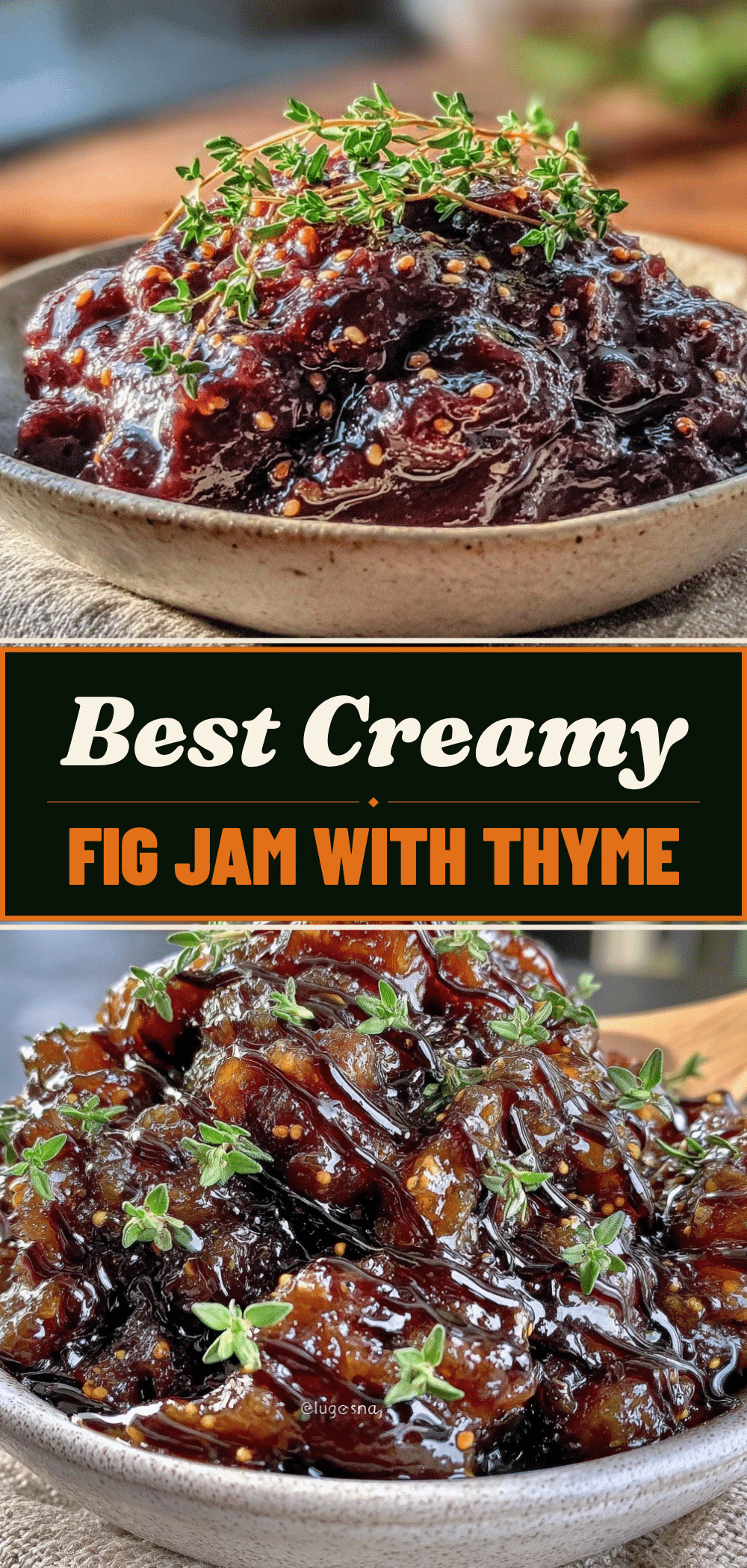
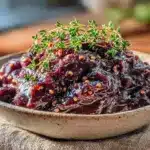
Best Homemade Fig Jam: Easy 3-Ingredient Balsamic Thyme Recipe
- Total Time: 45 minutes
- Yield: Makes approximately 2 cups 1x
Description
A simple, rustic homemade fig jam made with fresh figs, aged balsamic vinegar, and fresh thyme. This forgiving recipe requires no pectin and delivers a complex sweet-savory flavor perfect for toast, cheese boards, or gifting.
Ingredients
- 2 pounds fresh figs (quartered)
- 1 ½ cups granulated white sugar
- 3 tablespoons aged balsamic vinegar
- 2 tablespoons fresh thyme leaves
- 1 tablespoon lemon juice
- 1 pinch salt
Instructions
- Wash and dry the figs, remove stems, and quarter them if large.
- Place quartered figs in a large heavy-bottomed pot. Add sugar, lemon juice, and salt. Stir gently to coat and let sit for 15 minutes to macerate.
- Place the pot over medium heat and bring to a gentle simmer, stirring occasionally to dissolve the sugar.
- Reduce heat to medium-low and simmer for 20-30 minutes, stirring every 5 minutes, until the mixture thickens and figs break down.
- Stir in the aged balsamic vinegar and fresh thyme leaves. Simmer for another 2-3 minutes to meld flavors.
- Test for doneness using the plate test: place a spoonful on a cold plate; if it wrinkles when pushed, it is ready.
- Remove from heat and let cool for 5 minutes. Ladle into clean, sterilized jars, leaving ½ inch headspace.
- Seal jars. For long-term storage, process in a boiling water bath for 10 minutes. Otherwise, store in the refrigerator.
Notes
Use ripe but firm figs. Aged balsamic vinegar is crucial for depth; avoid cheap salad dressings. Fresh thyme is preferred over dried. If using dried figs, rehydrate in warm water for 30 minutes before use. Adjust sweetness with honey or acidity with lemon juice to taste. Save thyme stems to flavor stock.
- Prep Time: 10 minutes
- Cook Time: 30 minutes
- Category: Condiments
- Cuisine: American
Nutrition
- Serving Size: 1 tablespoon
- Calories: 35
- Sugar: 8
- Carbohydrates: 9
- Fiber: 1
Keywords: fig jam, homemade jam, balsamic fig jam, thyme jam, easy jam recipe, gluten-free, vegan, preserve, gift idea