I have a confession to make: I used to think making tonkatsu at home was a nightmare. You know the deal—you need a deep fryer, gallons of oil that smell like a Japanese restaurant for weeks, and the constant anxiety of hot oil splattering onto your counter. I spent years buying the frozen breaded cutlets from the grocery store, heating them in the toaster oven, and feeling slightly guilty that they were never quite as crispy or juicy as the real thing.
Then, about three years ago, I was trying to make dinner for my in-laws who were visiting from Japan. I wanted to impress them, but I also didn’t want to stand over a stove for an hour. I tried a baked version on a whim, using a wire rack and a heavy drizzle of oil spray, and honestly? It was a game-changer. My mother-in-law took one bite, chewed thoughtfully, and then asked for the recipe. That was the moment I knew I had cracked the code.
This baked pork katsu recipe has become my go-to weeknight dinner for two reasons: it’s genuinely fast (under 30 minutes from start to finish), and it doesn’t leave your kitchen smelling like a deep fryer. Plus, it’s way healthier than the fried version, which means I can eat it without that post-meal food coma. If you’ve been intimidated by Japanese home cooking, this is the perfect place to start. It’s crispy, it’s tender, and it comes together with ingredients you probably already have.
Why You’ll Love This Baked Pork Katsu Recipe
There are about ten reasons I keep making this, but here are the big ones that keep me coming back to the kitchen for it.
- Stupid Simple Breading Technique — The classic panko method (flour, egg, panko) sounds fancy, but it’s actually just a assembly line. I lay out three bowls, and my teenage son can do it while watching a show. No skills required.
- Lightning Fast — 30 minutes from start to finish. I usually have this on the table before I can even finish scrolling through social media. The baking time is mostly hands-off, so you can chop veggies or set the table.
- Crispy Without the Oil — This is the biggest win. By using a wire rack and a light spray of oil, you get that shattering, crunchy panko texture without soaking the pork in fat. It’s genuinely satisfying.
- Pantry-Friendly — Panko, eggs, flour, and pork chops are staples. You don’t need to go out of your way to buy exotic ingredients. The tonkatsu sauce is easy to make from scratch or just buy a good bottle.
- Makes Amazing Leftovers — Honestly? This tastes even better the next day. The pork continues to tenderize, and the breading holds up surprisingly well in the fridge. I deliberately make extra for lunch.
- Customizable — Love curry? Add a spoonful of Japanese curry powder to the flour. Want it spicy? Mix gochujang into the sauce. This recipe is a blank canvas.
This is my answer to “what’s for dinner” when I’m tired, don’t want takeout, and still want something that feels special. It’s reliable, delicious, and makes everyone happy.
Ingredients You’ll Need
Here’s the best part: you probably have most of this already. The key to good tonkatsu is quality panko and a good cut of pork.
For the Pork
Pork loin chops or tenderloin (2 pounds / 900g) — I prefer loin chops because they’re easier to find and pound thin. Tenderloin is leaner but can dry out if you’re not careful. Look for chops that are about 1/2 inch thick. If they’re thicker, you’ll need to pound them more.
Panko breadcrumbs (2 cups / 160g) — Do not substitute with regular breadcrumbs. Regular breadcrumbs are too fine and will turn into a paste. Panko is light, airy, and gets incredibly crispy. I buy the Japanese brand S&B or any brand labeled “Japanese style.”
All-purpose flour (1/2 cup / 60g) — Just a light dusting to help the egg stick. Don’t skip this, or your breading will fall off.
Eggs (2 large) — Beaten with a pinch of salt. I like to add a teaspoon of water to make the egg wash thinner, which helps it coat evenly.
Cooking spray or olive oil — You need a way to transfer heat to the breading. I use a high-heat cooking spray like avocado oil spray. Olive oil works too, but spray is more even.
For the Tonkatsu Sauce
Worcestershire sauce (1/4 cup / 60ml) — The base of the flavor. Use a good quality brand like Lea & Perrins.
Ketchup (2 tablespoons) — Adds sweetness and body. Some recipes use tomato paste, but ketchup is easier and sweeter.
Soy sauce (1 tablespoon) — Adds umami and saltiness.
Brown sugar (1 tablespoon) — Balances the acidity. You can use white sugar, but brown has a nicer molasses note.
Rice vinegar (1 teaspoon) — A little acidity cuts through the richness. Apple cider vinegar works in a pinch.
Ginger and garlic (1/2 teaspoon each, minced) — Fresh is best here. It adds that sharp, aromatic kick that defines real tonkatsu sauce.
For Serving
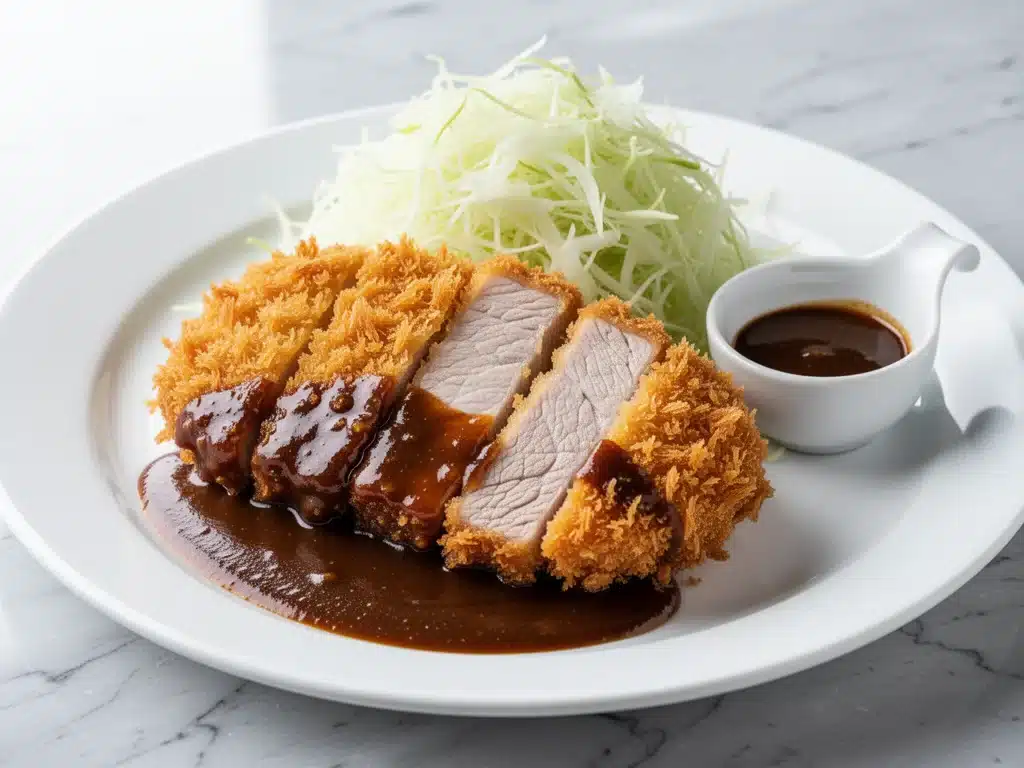
Shredded cabbage — This is non-negotiable in my book. The crunch and freshness of raw cabbage are essential to balance the heavy pork. I buy a head and shred it thinly.
Lemon wedges — A squeeze of lemon brightens everything up.
Equipment Needed
You don’t need fancy equipment for this. Here’s what I actually use.
- Wire rack and baking sheet — This is crucial. Placing the pork on a rack allows air to circulate underneath, so the bottom gets crispy too. If you don’t have a rack, you can use a cooling rack or even prop the pork up on some chopsticks, but a rack is best.
- Meat mallet or rolling pin — You need to pound the pork thin. A mallet is nice, but a heavy rolling pin or even a can of soup works in a pinch.
- Three shallow bowls — For the flour, egg, and panko. I use pie dishes or shallow cereal bowls.
- Small saucepan — For heating up the sauce (optional, but it helps the flavors meld).
- Chef’s knife — For scoring the pork and chopping cabbage.
Tool Tip: I’m obsessed with my non-stick baking sheets because cleanup is instant. If your rack is sticky, line the baking sheet with parchment paper for easy disposal.
How to Make It: Step-by-Step
Alright, let’s make this! I’m walking you through exactly how I do it, including the little tricks I’ve picked up.
Step 1: Prep the Pork (5 minutes)
Pat the pork chops completely dry with paper towels. Moisture is the enemy of crispiness. If your chops are thicker than 1/2 inch, place them between two sheets of plastic wrap and pound them down. You want them to be about 1/4 to 1/2 inch thick. This ensures they cook quickly and stay tender. Use your knife to score the edges of the pork with a few shallow cuts. This prevents the chops from curling up in the oven.
Step 2: Set Up Your Breading Station (5 minutes)
Get three shallow bowls ready. Bowl 1: Flour with a pinch of salt and pepper. Bowl 2: Beaten eggs with a splash of water. Bowl 3: Panko breadcrumbs. I like to mix a little bit of grated parmesan into the panko for extra flavor, but it’s optional.
Step 3: Bread the Pork (5 minutes)
Dredge each chop in the flour, shaking off any excess. Dip it into the egg wash, letting the excess drip off. Finally, press it firmly into the panko, making sure to coat all sides. Press down gently so the crumbs stick. I find it helps to lift the chop and sprinkle a few extra crumbs on top, then press again.
Step 4: Bake (15-20 minutes)
Preheat your oven to 400°F (200°C). Place the breaded chops on the wire rack set over the baking sheet. Spray the tops generously with cooking oil. This is the step that makes them crispy. Bake for 15-20 minutes, flipping halfway through, and spraying the other side. The pork is done when the internal temperature reaches 145°F (63°C) and the breading is golden brown. If you don’t have a thermometer, cut into one to check—it should be opaque and juicy.
Step 5: Make the Sauce (5 minutes)
While the pork bakes, whisk together the Worcestershire sauce, ketchup, soy sauce, brown sugar, rice vinegar, garlic, and ginger in a small saucepan. Heat over medium-low for 2-3 minutes until slightly thickened. Taste and adjust sweetness or saltiness as needed. It should be sweet, tangy, and savory.
Step 6: Rest and Serve (5 minutes)
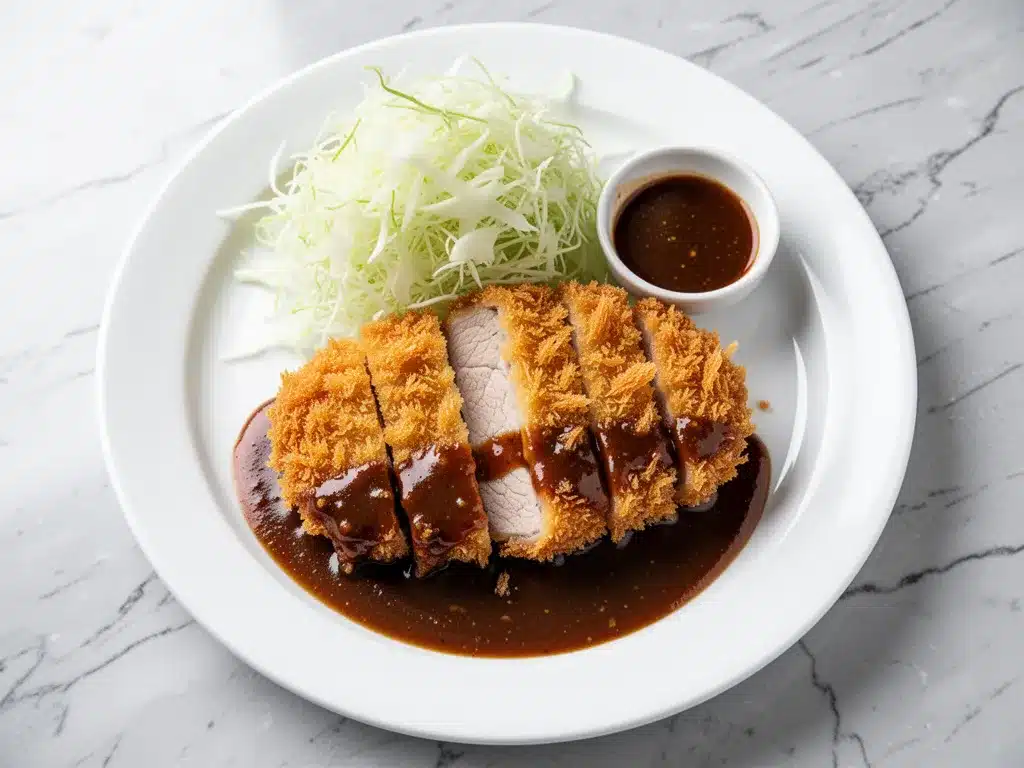
Let the pork rest for 5 minutes after taking it out of the oven. This keeps the juices inside. Slice the pork into strips, pile on a bed of shredded cabbage, and drizzle generously with tonkatsu sauce. Serve immediately with steamed rice and miso soup.
Total Time: About 30 minutes (10 minutes active, 20 minutes baking)
Expert Tips & Tricks
Here’s everything I’ve learned from making this dozens of times. These tips will save you from my mistakes.
Don’t Skip the Resting
I know it’s tempting to dig in immediately, but resting the meat for 5 minutes is crucial. If you cut it right away, all the juices run out onto the plate, and the pork becomes dry. Trust me, the 5 minutes wait is worth it.
Press the Breadcrumbs
When you’re coating the pork, don’t just dust the panko on. Press it in firmly. I use my palm to press down on the chop, then flip and press again. This ensures the breading sticks during baking and doesn’t fall off in the oven.
Use a Wire Rack
If you bake the pork directly on the baking sheet, the bottom will get soggy. The wire rack allows hot air to circulate, crisping the bottom just as much as the top. If you absolutely must skip the rack, flip the pork halfway through and be prepared for a softer bottom.
Keep the Oven Door Closed
Resist the urge to peek every two minutes. Every time you open the door, the temperature drops, and the breading might not set properly. Set a timer and wait.
Make Extra Sauce
Tonkatsu sauce is addictive. I usually double the sauce recipe because I like to drizzle it on everything, not just the pork. It keeps in the fridge for up to two weeks.
Variations & Substitutions
Once you’ve nailed the basic version, here’s how you can mix it up. I’ve tried all of these.
Chicken Katsu
You can use chicken breast or thigh fillets instead of pork. Pound them thin and follow the same breading method. Chicken cooks faster, so check at 12-15 minutes. My kids actually prefer chicken katsu because it’s milder.
Sweet and Sour Katsu
Add 1 tablespoon of pineapple juice and 1 teaspoon of curry powder to the sauce. It gives it a tangy, slightly spicy twist that’s amazing with rice.
Katsu Curry
Skip the tonkatsu sauce and serve the pork over Japanese curry rice. The crispy pork soaks up the curry sauce perfectly. This is a classic combo in Japan.
Gluten-Free
Use gluten-free panko (available in most Asian markets) and tamari instead of soy sauce. The rest of the ingredients are naturally gluten-free. It works surprisingly well.
Vegan Pork Katsu
Use thick slices of firm tofu or seitan. Press the tofu well to remove moisture, then bread and bake as usual. The texture is different, but the flavor profile is still great.
Serving & Storage
How to Serve: I usually serve this straight from the cutting board onto a platter with a mountain of shredded cabbage. It looks rustic and stays warm. But here are other ways I’ve enjoyed it:
- On a Bun: Put the sliced pork on a soft bun with mayo and cabbage for a katsu sando (sandwich). This is a Tokyo street food classic.
- Over Rice: Slice the pork and lay it over steamed white rice with a fried egg on top.
- With Salad: Serve alongside a simple green salad with a sesame dressing.
Toppings Bar: When I have guests, I put out: extra tonkatsu sauce, shredded cabbage, lemon wedges, and maybe some pickled ginger. Everyone customizes their bowl.
Storage Instructions:
Refrigerator: Store leftovers in an airtight container for up to 3 days. The breading will soften in the fridge—this is normal.
Reheating: Best method: Reheat in the oven at 375°F (190°C) for 10 minutes to crisp up the breading. Air fryer works too (350°F for 5 minutes). Microwave only works if you don’t care about crispiness, but it will get soggy.
Freezing: You can freeze the breaded, unbaked pork chops for up to 1 month. Bake from frozen, adding 5-10 minutes to the cooking time. Cooked katsu does not freeze well—the texture becomes mealy.
Nutrition Information
I’m not a nutritionist, but here’s the breakdown if you’re tracking.
| Per Serving (based on 4 servings) |
|---|
| Calories: 450 |
| Protein: 35g |
| Carbs: 30g |
| Fiber: 2g |
| Fat: 18g |
| Saturated Fat: 4g |
| Cholesterol: 95mg |
| Sodium: 680mg |
What’s Good: High protein from the pork. The baked method keeps fat much lower than deep-fried. Cabbage adds fiber and volume.
What to Know: The tonkatsu sauce adds sugar and sodium. Use it sparingly if you’re watching your intake. The panko adds carbs, but it’s mostly fiber if you use high-quality panko.
My Take: Look, this is comfort food. It’s not a diet recipe, but it’s way better than takeout. When I want to make it lighter, I use less sauce and load up on the cabbage. But usually? I just enjoy a reasonable portion and feel satisfied.
Final Thoughts
So that’s my go-to baked pork katsu! I’ve probably talked your ear off at this point, but when you make a recipe this often, you have a lot to say about it.
This has saved weeknight dinners more times than I can count. It’s my answer to “what’s for dinner” when I’m tired, don’t want takeout, and still want something that tastes really good. My kids are happy, my husband’s happy, and I’m happy because I’m not stressed about cooking.
Make it yours! Try different add-ins, swap in your favorite vegetables, adjust the garlic (though more is always better in my opinion). The best recipes are the ones you adapt to your family’s tastes.
If you make this, drop a comment and let me know what you think! I love hearing how recipes turn out in your kitchen. And if something doesn’t work, tell me that too—I’m here to help troubleshoot.
Happy cooking! And I hope your kitchen smells half as good as mine does right now.
Frequently Asked Questions
Can I use pork loin roast instead of chops?
Yes, but you’ll need to slice it into thick cutlets and pound them thin. Loin roast can be a bit tougher, so pounding is even more important to tenderize it. Tenderloin is the most tender option, but it’s also the most expensive.
Why did my breading fall off?
This usually happens if the pork wasn’t dry before breading, or if you didn’t press the panko firmly enough. Make sure to pat the pork dry with paper towels, and press the crumbs in with your palm. Also, ensure your oven is fully preheated before putting the pork in.
Can I make the tonkatsu sauce ahead?
Absolutely. The sauce actually tastes better after sitting for a few hours because the flavors meld. Make it up to 2 weeks ahead and store it in the fridge. Just give it a quick stir before using.
What is the best way to shred cabbage quickly?
I use a mandoline slicer with a julienne blade—it’s fast and gives uniform strips. If you don’t have one, a sharp chef’s knife works well. Just slice the cabbage in half, remove the core, and slice thinly.
Can I air fry this instead of baking?
Yes! Air frying is actually even better for crispiness. Cook at 375°F (190°C) for 10-12 minutes, flipping halfway. Spray with oil before cooking. Keep an eye on it because air fryers vary in power.
Is tonkatsu sauce the same as eel sauce?
No. Tonkatsu sauce is savory, tangy, and slightly sweet (like a thicker Worcestershire). Eel sauce is much sweeter and thicker, made from soy sauce, mirin, and sugar. They are not interchangeable in this recipe.
Pin This Recipe!
Baked Pork Katsu: Easy 30-Minute Dinner
- Total Time: 30 minutes
- Yield: 4 servings 1x
Description
A crispy, tender baked pork katsu recipe that takes under 30 minutes to make. This healthier alternative to deep-fried tonkatsu uses a wire rack and panko breadcrumbs for maximum crunch without the excess oil.
Ingredients
- 2 pounds (900g) pork loin chops or tenderloin
- 2 cups (160g) panko breadcrumbs
- 1/2 cup (60g) all-purpose flour
- 2 large eggs, beaten with a pinch of salt and 1 teaspoon water
- Cooking spray or olive oil
- Salt and pepper for seasoning
- 1/4 cup (60ml) Worcestershire sauce
- 2 tablespoons ketchup
- 1 tablespoon soy sauce
- 1 tablespoon brown sugar
- 1 teaspoon rice vinegar
- 1/2 teaspoon minced garlic
- 1/2 teaspoon minced ginger
- Shredded cabbage for serving
- Lemon wedges for serving
Instructions
- Preheat oven to 400°F (200°C). Pat pork chops dry and pound to 1/4-1/2 inch thickness. Score edges with a knife to prevent curling.
- Set up three shallow bowls: one with flour (seasoned with salt/pepper), one with beaten eggs, and one with panko breadcrumbs.
- Dredge each chop in flour, dip in egg wash, then press firmly into panko to coat all sides.
- Place breaded chops on a wire rack set over a baking sheet. Spray tops generously with cooking oil.
- Bake for 15-20 minutes, flipping halfway through and spraying the other side, until internal temperature reaches 145°F (63°C) and breading is golden.
- While pork bakes, whisk Worcestershire sauce, ketchup, soy sauce, brown sugar, rice vinegar, garlic, and ginger in a small saucepan. Heat over medium-low for 2-3 minutes until slightly thickened.
- Let pork rest for 5 minutes before slicing into strips.
- Serve sliced pork over shredded cabbage with tonkatsu sauce, lemon wedges, steamed rice, and miso soup.
Notes
Do not skip resting the pork for 5 minutes to keep juices inside. Press breadcrumbs firmly to ensure they stick. Use a wire rack to ensure the bottom gets crispy. If you don’t have a rack, flip halfway through but expect a softer bottom. Tonkatsu sauce can be made ahead and stored for up to 2 weeks.
- Prep Time: 10 minutes
- Cook Time: 20 minutes
- Category: Main Course
- Cuisine: Japanese
Nutrition
- Serving Size: 1 pork chop with shr
- Calories: 450
- Sugar: 12
- Sodium: 680
- Fat: 18
- Saturated Fat: 4
- Carbohydrates: 30
- Fiber: 2
- Protein: 35
Keywords: pork katsu, baked tonkatsu, japanese dinner, easy weeknight meals, crispy pork, healthy fried food alternative