It was one of those humid July afternoons where the air feels heavy enough to wear. I had just dragged myself away from the computer, my brain foggy and sticky like the humidity outside, when I realized I hadn’t eaten anything substantial since a dry bagel at 8 AM. My stomach was growling, but the last thing I wanted was a heavy sandwich or a hot meal. I needed something cold. Something bright. Something that felt like a vacation in a glass.
I stumbled into the kitchen and opened the freezer. There, buried behind a bag of frozen peas and some old ice cubes, was a stash of mango chunks I’d bought on a whim at the farmers market three days prior, and a can of pineapple that had been sitting in the pantry since my last baking project. I also had coconut water, which I’d been trying to use more of because apparently, I’m into hydration now (or maybe I just like the taste).
I threw it all into the blender without really thinking about proportions. I hit the button, half-expecting a gritty, watery disaster. Instead, the machine whirred and spat out the most vibrant, sun-kissed smoothie I’d ever tasted. It was sweet, tangy, creamy, and utterly refreshing. I drank it in three big gulps and immediately felt like my brain had wiped itself clean. That accidental blend became a ritual. Now, this Homemade Mango Pineapple Smoothie with Coconut Water is my go-to rescue for mid-afternoon slumps, post-workout recovery, or just when I need a little bit of sunshine on a gray morning.
I’ve made this smoothie probably fifty times in the last six months. I’ve tweaked the ratios, swapped brands, and even tried adding spinach (which you shouldn’t do if you want it to taste like paradise, but I’ll get to that). This isn’t just a drink; it’s my favorite way to start the day or recharge in the afternoon. And the best part? It takes less time than it takes to drive to a smoothie shop.
Why You’ll Love This Recipe
Look, I’ve tried a lot of smoothie recipes. Some are too thick and break my blender. Some are too thin and taste like fruit juice. Some cost more than a lunch and still leave me hungry an hour later. This mango pineapple smoothie hits that sweet spot—literally and figuratively.
Here’s why this specific combination keeps me coming back:
- It Actually Tastes Like Summer — There’s no fake syrup taste here. The natural enzymes in the pineapple and the rich creaminess of the mango create a flavor profile that is instantly recognizable and deeply satisfying. It’s tangy enough to wake up your palate but sweet enough to feel like a treat.
- Lightning Fast — Seriously, five minutes. From freezer to glass. I make this on mornings when I’m running late to get the kids to school, and I still have time to wash the blender. It’s faster than brewing coffee and way healthier than the sugary latte I’d usually grab.
- Hydration Hero — Using coconut water instead of milk or juice changes the game. It’s lighter, packed with electrolytes, and doesn’t leave you feeling heavy or bloated. It’s the perfect balance of refreshing and nourishing.
- Pantry and Freezer Friendly — You don’t need exotic ingredients. Frozen mango and pineapple are staples in my freezer. Coconut water is in every grocery store. If you have these three things, you can make this any day of the week.
- Customizable to Hell — Once you get the base right, you can add protein, greens, or spices. I’ve made this into a breakfast meal with fluffy egg cheese sandwich on the side for a full morning, or turned it into a post-workout recovery drink with protein powder. It’s incredibly versatile.
This is my answer to “what can I drink that’s healthy but doesn’t taste like grass?” It’s bright, it’s tangy, and it’s absolutely delicious.
Ingredients You’ll Need
Here’s the thing about this smoothie: simplicity is key. You don’t need a dozen ingredients. In fact, the fewer ingredients, the more the natural flavors shine. I’m particular about quality here, especially with the fruit, because you’re tasting it raw and cold.
The Core Trio
Frozen Mango Chunks (1 ½ cups / about 200g) — This is non-negotiable. Do not use fresh mango unless you also add ice, but even then, frozen gives you that thick, milkshake-like texture without watering it down. I buy the bags of frozen mango at Costco. They’re pre-cut, peeled, and perfect. If you use fresh mango, the smoothie will be thin and soupy.
Frozen Pineapple Chunks (1 cup / about 150g) — Again, frozen is best. It adds that icy, slushy consistency and a bright, tangy kick that cuts through the sweetness of the mango. If you can only find canned pineapple, drain it well and freeze it for an hour before blending, but frozen chunks are way easier.
Coconut Water (1 cup / 240ml) — This is your liquid base. It’s lighter than milk or juice and adds a subtle tropical flavor that complements the fruit. Look for brands with no added sugar. I like Vita Coco or any store-brand 100% coconut water. If you don’t have coconut water, water works, but you’ll miss out on those electrolytes and that slight savory balance.
The Creaminess Factor
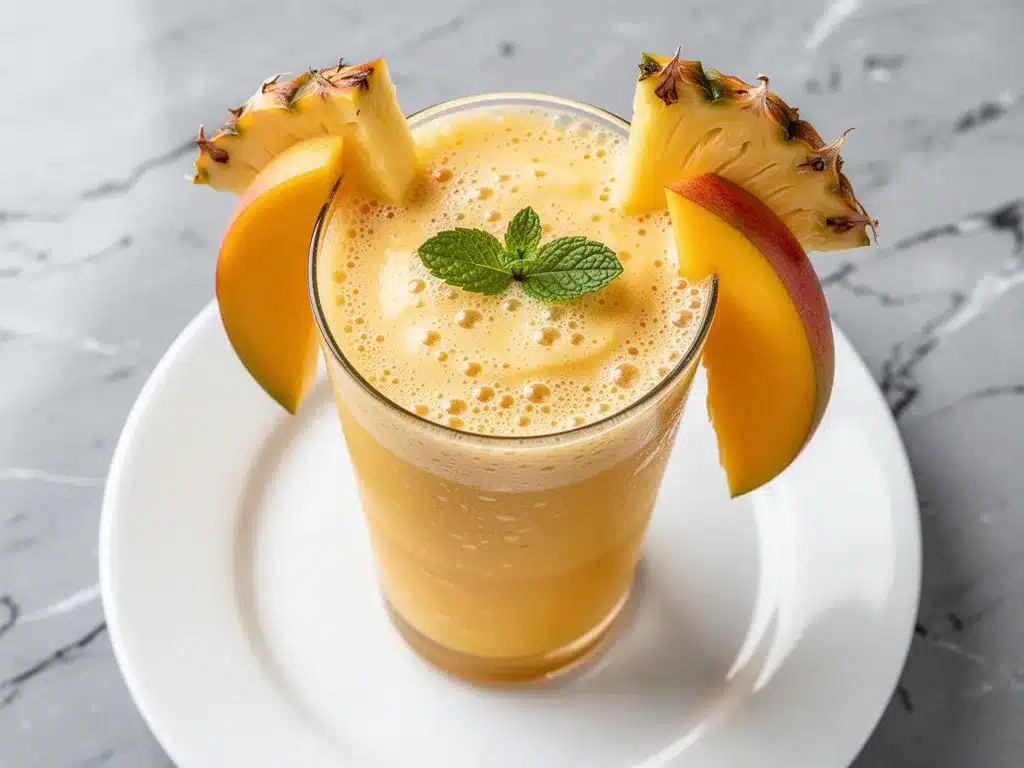
Plain Greek Yogurt (½ cup / about 120g) — This is my secret weapon. It adds protein, makes the smoothie creamy, and adds a slight tang that balances the sugar. I use plain, non-fat or low-fat. If you’re vegan, skip this or use a plain coconut yogurt, though the texture will be slightly different. I’ve tried almond yogurt, but it’s too watery.
Optional Boosters (The “I Want More” List)
Spinach (1 large handful / about 30g) — I know, I know. You’re making a tropical drink, not a green monster. But trust me. You won’t taste the spinach. It just adds color and nutrients. I add this when I’m feeling fancy or need to sneak veggies in before work.
Lime Juice (1 teaspoon) — If your fruit isn’t super ripe, a squeeze of fresh lime juice wakes everything up. It adds that extra “zing” that makes you want another sip.
Honey or Maple Syrup (1 teaspoon) — Only add this if your mangoes are tart. Taste the mango first. If it’s sweet, you don’t need it. I usually skip it to keep the sugar content lower.
Pro Tip: I keep a “smoothie pack” in my freezer. Every Sunday, I portion out frozen mango, pineapple, and spinach into ziplock bags. When I need a smoothie, I just grab one bag and dump it in the blender. Saves me so much time on busy mornings.
Equipment Needed
You don’t need fancy gear for this. Here’s what I actually use in my kitchen.
High-Speed Blender — I use a Vitamix, and I love it. But you don’t need to drop $500 on one. A decent mid-range blender like a Ninja or a Cuisinart works fine. The key is that it needs to crush frozen fruit. If your blender struggles with ice, it will struggle with frozen mango. I’ve had cheaper blenders fail on me, so invest in something that can handle the ice.
Measuring Cups — Standard dry and liquid measuring cups. I’m not super precise, but having a rough ratio helps consistency.
Spatula — For scraping down the sides of the blender jar. Frozen fruit likes to stick to the top.
Two Large Glasses — Because I usually make enough for two people. One for me, one for my partner (or myself, if they’re home sleeping in).
Optional: Smoothie Lids — If you plan on taking this to go, invest in some travel lids. I hate drinking smoothies from open glasses while walking. It’s a spill waiting to happen.
How to Make It: Step-by-Step
Alright, let’s make this! It’s so simple that you might feel like you’re cheating, but that’s the beauty of it. I’m walking you through exactly how I do it to get that perfect texture.
Step 1: Prep Your Fruit (1 minute)
If you’re using frozen fruit straight from the bag, you’re already good to go. If you’re using fresh fruit, chop it into small chunks and freeze it for at least 2 hours. I usually chop my mango and pineapple on Sunday and freeze them in a single layer on a baking sheet so they don’t clump together. This makes it easy to grab individual portions later.
Step 2: Load the Blender (1 minute)
Start with your liquid. Pour the coconut water into the bottom of the blender. This helps the blades spin freely and prevents the frozen fruit from getting stuck at the bottom. Then add the Greek yogurt. If you’re adding spinach or other greens, add them now. Finally, pile in the frozen mango and pineapple chunks on top.
Why this order? Liquids first protects your blender blades and helps create a vortex that pulls the frozen fruit down. It’s a small thing, but it makes blending way easier.
Step 3: Blend Until Smooth (1-2 minutes)
Start the blender on low speed. Let it run for 10-15 seconds to break up the fruit. Then, gradually increase the speed to high. Blend for 30-60 seconds until the mixture is completely smooth and creamy. You shouldn’t see any chunks of fruit or ice. If your blender is struggling, stop it and use a spatula to push the fruit down toward the blades. Do this carefully while the blender is off.
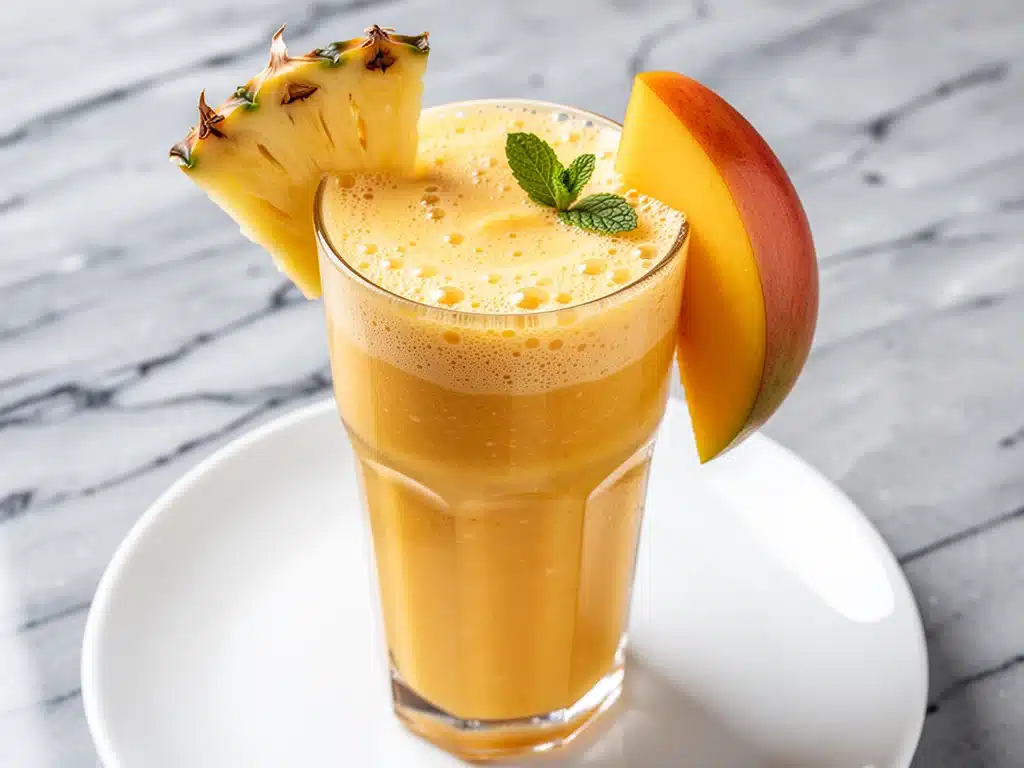
Sensory Check: The smoothie should look vibrant yellow-orange and have a thick, pourable consistency. It should coat the back of a spoon. If it’s too thick, add a splash more coconut water. If it’s too thin, add a few more ice cubes or frozen fruit.
Step 4: Taste and Adjust (30 seconds)
Before you pour it, taste it. Is it tart? Add a little honey. Is it too sweet? Add a squeeze of lime or a few more frozen pineapple chunks. This is where you make it yours. I usually find it’s perfect as is, but sometimes my mangoes are extra sweet, so I skip the sweetener.
Step 5: Serve Immediately
Pour into glasses and serve right away. Smoothies separate over time, so the best flavor and texture are enjoyed immediately. I like to garnish with a thin slice of lime or a sprig of mint if I’m feeling fancy. But honestly? Just drinking it straight from the glass is the best part.
Total Time: About 5 minutes. Active time is maybe 2 minutes. The rest is just waiting for the blender to do its job.
Expert Tips & Tricks
Here’s everything I’ve learned from making this dozens of times. These tips will save you from my mistakes.
Freeze Your Fruit Properly
If you chop your own fruit, make sure it’s frozen solid. Soft, thawed fruit will make your smoothie soupy. I’ve learned this the hard way. If you’re in a hurry, put your chopped fruit in the freezer for 30 minutes before blending. It doesn’t need to be rock hard, just cold.
Don’t Skimp on the Yogurt
I know some people skip it to save calories, but the yogurt adds creaminess and protein. Without it, the smoothie is just sweet fruit water. If you’re dairy-free, coconut yogurt works, but Greek yogurt is the gold standard for texture.
Use Coconut Water, Not Coconut Milk
Coconut milk is thick and fatty. Coconut water is light and hydrating. For this specific bright and tangy profile, coconut water is the right choice. If you want a richer, dessert-like smoothie, use coconut milk. But for a refreshing drink, stick to water.
Blend in Stages
If you have a powerful blender, you might think you can just hit “high” and walk away. Don’t. Start low to break the fruit, then go high to smooth it out. This prevents air pockets and ensures a consistent texture.
Add a Pinch of Salt
It sounds weird, but a tiny pinch of sea salt enhances the sweetness of the fruit. It’s a chef’s trick that works wonders in smoothies too. Just a small pinch—don’t make it salty.
Variations & Substitutions
Once you’ve nailed the basic version, here’s how you can mix it up. I’ve tried all of these.
The Green Version
Add a large handful of spinach or kale. You won’t taste the greens, but you’ll get a nutrient boost. The color will turn a weird greenish-yellow, but it’s worth it for the health points. I add this when I’m feeling guilty about not eating enough veggies.
The Protein Powerhouse
Add one scoop of vanilla or unflavored protein powder. This turns the smoothie into a meal replacement. I add this after workouts or when I’m skipping lunch. Note: Protein powder can thicken the smoothie, so you might need extra coconut water.
The Tropical Twist
Add a few chunks of fresh banana or a tablespoon of shredded coconut. Banana adds extra creaminess and sweetness. Shredded coconut adds a nice texture and intense coconut flavor. I love this version for weekend brunch.
The Berry Blend
Swap half the mango for frozen strawberries or raspberries. It adds a tartness that complements the pineapple beautifully. This version is slightly redder and very antioxidant-rich.
Dairy-Free Option
Simply omit the Greek yogurt or use a plant-based alternative like coconut yogurt or cashew yogurt. The smoothie will be slightly thinner, but still delicious.
Gluten-Free
This recipe is naturally gluten-free. Just make sure your coconut water and fruit are certified gluten-free if you have celiac disease (though cross-contamination is rare with these items).
Serving & Storage
How to Serve:
I usually serve this straight from the blender into tall glasses. It’s best enjoyed immediately while it’s cold and frothy. I like to pair it with a savory breakfast like high protein egg bowl or just a piece of toast with peanut butter.
Side Dishes:
This smoothie is light, so it pairs well with heavier breakfast foods. Try it with fluffy sheet-pan pancakes or a loaded breakfast burrito. The contrast between the cold, sweet smoothie and the warm, savory food is amazing.
Storage Instructions:
Smoothies are best fresh. If you must store it, pour it into an airtight jar and refrigerate for up to 24 hours. The color will darken slightly, and the texture will separate. Just give it a good shake or stir before drinking. It won’t be as good as fresh, but it’s still drinkable.
Freezing:
You can’t freeze the blended smoothie well because the texture will break down. Instead, freeze the ingredients in portions (as mentioned in the tips) and blend fresh when needed. This is the best way to have smoothies ready to go.
Pro Tip: If you’re making this for a party or gathering, make the smoothie packs ahead of time and keep them in the freezer. When guests arrive, just blend a few batches. It’s a great way to serve a healthy, refreshing drink without standing at the blender all day.
Nutrition Information
I’m not a nutritionist, but here’s the breakdown if you’re tracking. This is per serving (makes 2 servings).
- Calories: 180
- Protein: 8g
- Carbs: 35g
- Fiber: 4g
- Sugar: 28g (natural fruit sugar)
- Fat: 2g
- Sodium: 120mg
What’s Good:
It’s packed with Vitamin C from the mango and pineapple. The Greek yogurt adds protein and probiotics. It’s a great way to start the day with nutrients.
What to Know:
The sugar content is natural, but it’s still sugar. If you’re watching your carb intake, consider reducing the fruit portion or adding more greens. It’s not a diet food, but it’s a healthy choice compared to most store-bought smoothies which are loaded with added sugars.
Dietary Notes:
Contains: Dairy (if using Greek yogurt). Can be made: Vegan, Gluten-Free. Not suitable for: Low-carb or Keto without significant modifications.
Final Thoughts
So that’s my go-to Homemade Mango Pineapple Smoothie with Coconut Water! It’s simple, it’s delicious, and it’s exactly what I need when I’m feeling sluggish or just want a taste of the tropics without leaving my kitchen.
I’ve made this recipe so many times that I can do it with my eyes closed. It’s become a staple in my weekly routine, right alongside my fresh peach freezer jam and morning coffee. It’s the perfect balance of refreshing and nourishing, and I hope it becomes a staple in your kitchen too.
Make it yours! Try different fruits, add greens, or tweak the sweetness. The best recipes are the ones you adapt to your tastes. If you make this, drop a comment and let me know what you think! I love hearing how recipes turn out in your kitchen. And if something doesn’t work, tell me that too—I’m here to help troubleshoot.
Happy blending! And I hope your kitchen smells half as good as mine does right now (which is just the smell of fresh fruit).
Frequently Asked Questions
Can I use fresh fruit instead of frozen?
You can, but you’ll need to add ice to get that thick, slushy texture. Fresh fruit will make the smoothie more like a juice. If you use fresh fruit, I recommend adding ½ cup of ice cubes when blending. The texture won’t be quite as creamy as with frozen fruit, but it’s still refreshing.
Why did my smoothie turn out watery?
This usually happens if you use too much liquid or not enough frozen fruit. Start with 1 cup of coconut water and add more only if needed. Also, make sure your fruit is truly frozen. If it’s just chilled in the fridge, it won’t provide the icy thickness. If it’s already watery, add a few ice cubes or a banana to thicken it.
Can I make this ahead of time?
Not really. Smoothies are best fresh. If you blend it and let it sit, it will separate and lose its frothy texture. The best way to “make it ahead” is to prep the frozen fruit packs in advance and store them in the freezer. Then, just blend when you’re ready to drink.
Can I add protein powder to this?
Absolutely! I do this all the time. Add one scoop of vanilla or unflavored protein powder. Note that protein powder can absorb liquid and thicken the smoothie, so you might need to add an extra ¼ cup of coconut water to get the right consistency. I usually add the powder after the liquid but before the frozen fruit.
Is this smoothie good for weight loss?
This smoothie is relatively low in calories and high in nutrients, which can support a healthy diet. However, it does contain natural sugars from the fruit. If you’re watching your calorie intake, consider reducing the fruit portion or adding more spinach to bulk it up without adding calories. It’s a healthy choice compared to sugary drinks, but portion control is still key.
Can I use almond milk or oat milk instead of coconut water?
Yes, but the flavor and texture will change. Almond milk is thinner and nuttier. Oat milk is creamier and sweeter. Coconut water gives that specific tropical, light profile that defines this recipe. If you use milk, your smoothie will be richer and heavier. It’s still delicious, but it won’t taste like the same “bright and tangy” drink.
How do I clean my blender after making this?
This is the easiest part! Fill your blender halfway with warm water and a drop of dish soap. Blend it on high for 10 seconds. Rinse it out. Done. No scrubbing required. If there’s any stuck-on fruit, let it soak for a few minutes first. I love that about smoothies—the cleanup is almost as fast as making them.
Pin This Recipe!
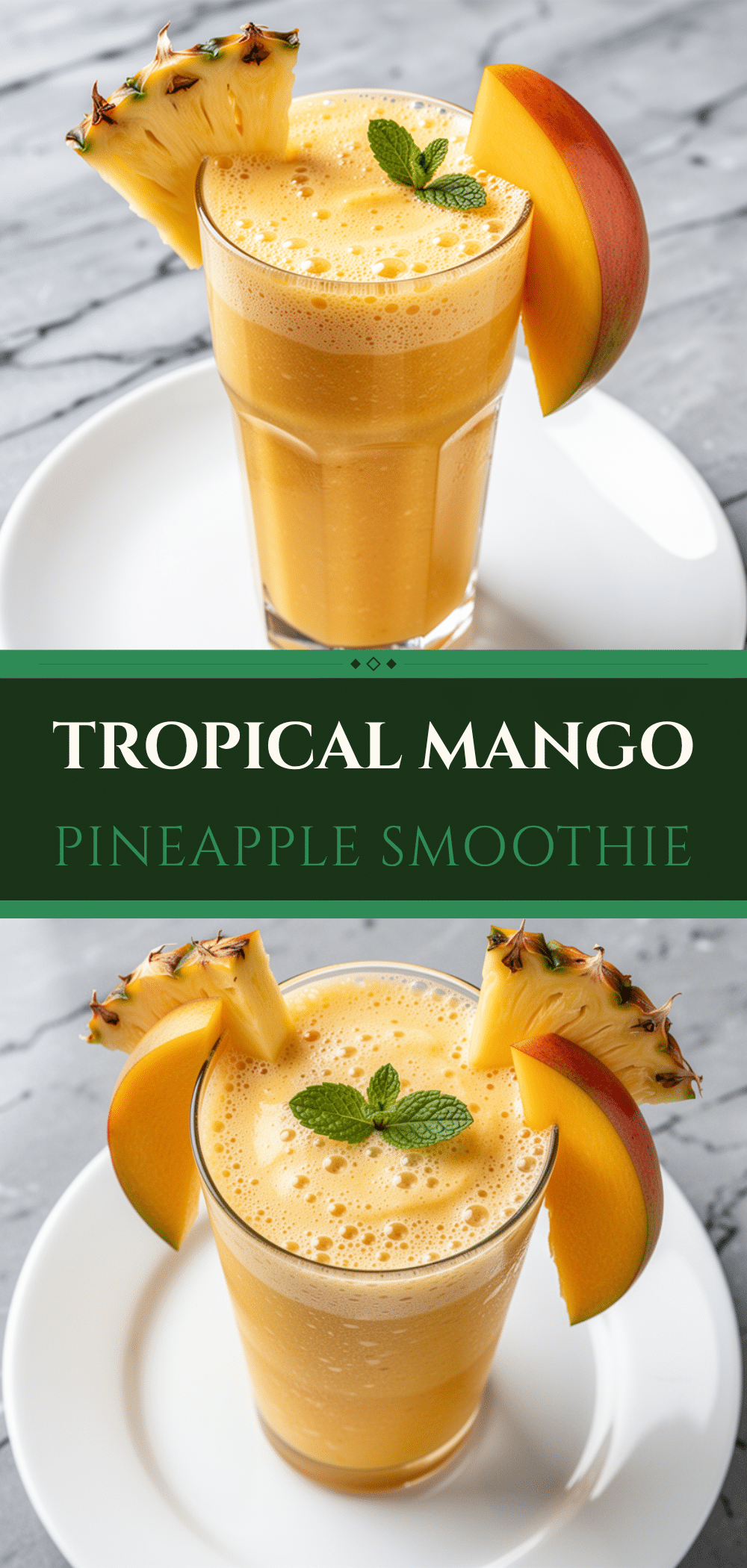
Homemade Mango Pineapple Smoothie with Coconut Water
- Total Time: 5 minutes
- Yield: 2 servings 1x
Description
A vibrant, refreshing tropical smoothie made with frozen mango and pineapple, coconut water, and Greek yogurt. It’s light, hydrating, and ready in just five minutes.
Ingredients
- 1 ½ cups frozen mango chunks
- 1 cup frozen pineapple chunks
- 1 cup coconut water
- ½ cup plain Greek yogurt
- 1 large handful spinach (optional)
- 1 teaspoon lime juice (optional)
- 1 teaspoon honey or maple syrup (optional)
Instructions
- Pour the coconut water into the bottom of the blender to help the blades spin freely.
- Add the Greek yogurt and any optional greens (like spinach) to the blender.
- Pile the frozen mango and pineapple chunks on top of the liquid.
- Start the blender on low speed for 10-15 seconds to break up the fruit.
- Gradually increase the speed to high and blend for 30-60 seconds until the mixture is completely smooth and creamy.
- Taste the smoothie and adjust sweetness with honey or tartness with lime juice if needed.
- Pour into glasses and serve immediately.
Notes
For best texture, use frozen fruit rather than fresh. If using fresh fruit, add ice cubes. You can prep smoothie packs in advance by portioning frozen fruit and spinach into freezer bags. If the smoothie is too thick, add more coconut water; if too thin, add more frozen fruit or ice.
- Prep Time: 2 minutes
- Cook Time: 0 minutes
- Category: Breakfast
- Cuisine: Tropical
Nutrition
- Serving Size: 1 glass (approx. 16
- Calories: 180
- Sugar: 28
- Sodium: 120
- Fat: 2
- Carbohydrates: 35
- Fiber: 4
- Protein: 8
Keywords: mango pineapple smoothie, tropical smoothie, coconut water smoothie, healthy breakfast, quick smoothie, gluten-free, dairy-free option