It was 8:30 PM on a rainy Tuesday. My phone was in one hand, the takeout menu for my favorite Korean restaurant in the other. I was staring at the “Crispy Gochujang Cauliflower” option, knowing it would cost me $18, arrive lukewarm in a soggy box, and leave me feeling heavy and regretful by 9 PM. I actually had the thumb hovering over the “Order” button when I looked at my kitchen counter. There, sitting next to my coffee maker, was a head of cauliflower I’d bought three days ago, already starting to turn brown at the edges.
I hate waste. I really do. But more than that, I hate spending $20 on vegetables that taste like cardboard and sadness. So, I put the phone down. I grabbed a knife. And I decided to make my own version of those crispy, sticky, spicy cauliflower wings I’d been craving for months.
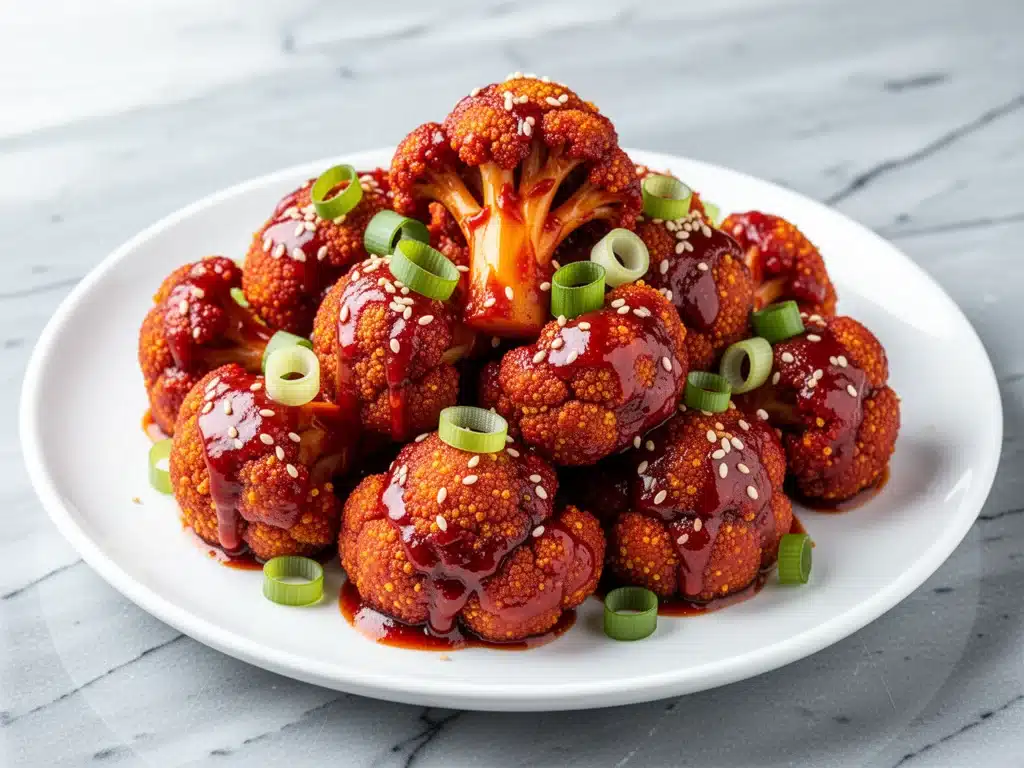
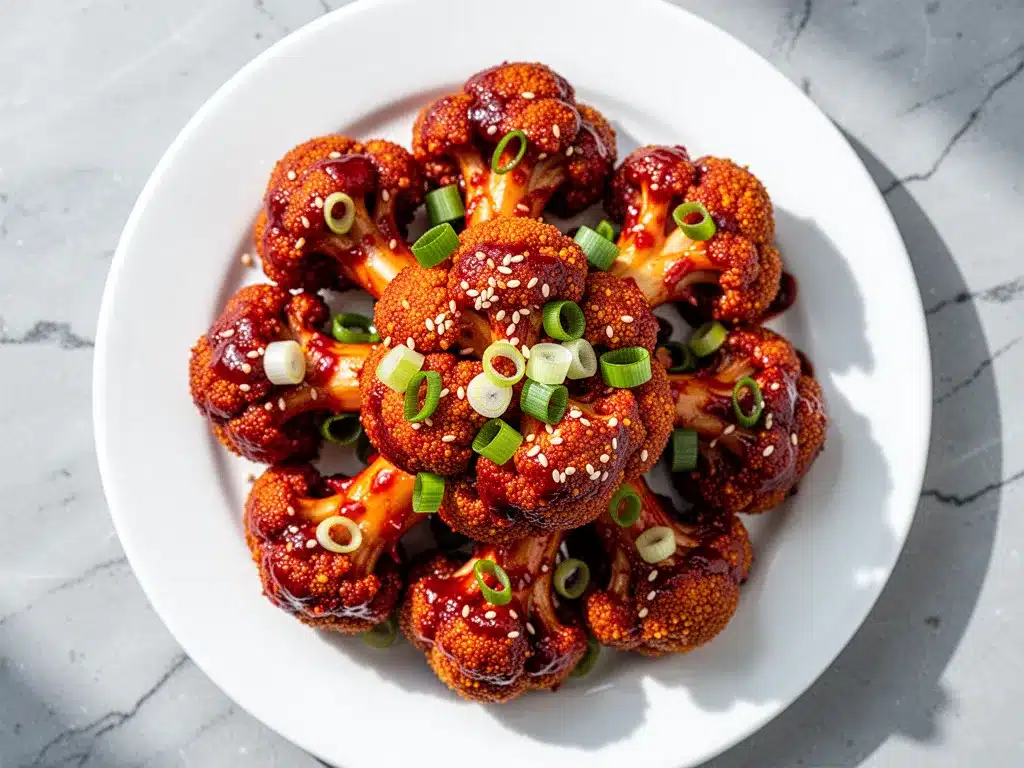
I expected a mediocre result. Maybe something edible, but definitely not “better than takeout” edible. I was wrong. I was so wrong. Within twenty minutes, my kitchen smelled like a high-end Korean BBQ joint, and the first bite made me close my eyes. It was crispy on the outside, tender on the inside, and coated in a gochujang sauce that was the perfect balance of sweet, spicy, and savory. I ate half the head of cauliflower before dinner even started.
That night changed my relationship with cauliflower. I’ve since made these Crispy Korean Gochujang Cauliflower Wings at least fifteen times. I’ve served them to meat-eating friends who didn’t realize they were vegetarian until the third bite. I’ve made them for parties where they disappeared faster than my classic southern red velvet sheet cake (which, let’s be honest, is a tough act to follow). But mostly, I make them because they are the ultimate weeknight savior. They’re fast, they’re healthy, and they satisfy that deep, craving-y soul that usually demands fried food.
If you’ve been looking for a way to get your spicy fix without the grease and the guilt, you’re in the right place. This isn’t just a salad with an attitude. This is legit, finger-licking, “order another round” crispy Korean gochujang cauliflower wings better than takeout. Let’s get cooking.
Why You’ll Love This Vegan Cauliflower Recipe
There are a lot of “healthy” appetizers out there. Most of them are boring. Some are just steamed veggies with a sad dip. This recipe? It’s the opposite of boring. Here’s why this Crispy Korean Gochujang Cauliflower Wings has taken over my dinner rotation:
Texture That Actually Crisps — This is the biggest hurdle with cauliflower. Most recipes end up soggy. I’ve tested dozens of batter methods, and this one uses a light cornstarch and rice flour dusting that gets shatteringly crisp in the air fryer or oven. It holds up to the sauce without getting mushy. I’ve tested this so many times because I was obsessed with getting that crunch right.
Sauce That Sticks — Have you ever tried to coat cauliflower in sauce and watched it slide right off? It’s frustrating. This gochujang glaze is thickened with a little cornstarch slurry, meaning it clings to every nook and cranny. You get a sticky, glossy coat on every single bite. It’s messy in the best way possible.
Ready in 30 Minutes — From chopping to plating, this takes about 30 minutes. That’s faster than waiting for a delivery driver to find your apartment. I make this on weeknights when I’m tired, and it feels like a treat, not a chore.
Actually Good for You — Okay, it’s not a salad. But cauliflower is packed with nutrients, and this cooking method uses minimal oil. It’s a great way to get your kids (or your skeptical partner) to eat vegetables without them even noticing. My nephew, who usually only eats chicken nuggets, asks for these specifically.
Customizable Heat Level — Gochujang is spicy, but not overwhelmingly so. You can control the heat by adjusting the amount of chili flakes or adding sriracha if you want to turn up the temperature. It’s perfect for anyone who likes a little kick but doesn’t want to cry while eating.
This is my go-to when I need dinner to just work, or when I’m hosting a casual hangout and need something impressive but easy. No complicated techniques, no weird ingredients, just reliable, delicious food that makes everyone happy.
Ingredients You’ll Need
Here’s the best part: you probably have most of these ingredients already. The sauce uses common pantry staples, and the cauliflower is cheap and seasonal. I’m particular about three things here: the type of cauliflower, the gochujang paste, and the cornstarch. Let’s break it down.
For the Cauliflower Base
Medium Cauliflower Head (1 large, about 2-2.5 lbs / 900-1100g) — Look for one that feels heavy for its size. The leaves should be tight and green, not loose or yellowing. I buy the pre-cut florets when I’m lazy, but a whole head tastes better and costs less. Cut it into bite-sized florets, roughly the size of a chicken wing.
Cornstarch (½ cup / 60g) — This is the secret weapon. Cornstarch creates that light, airy crunch that panko breadcrumbs provide but without the carbs. Don’t skip it. Potato starch works too, but cornstarch is what I always keep in stock.
Rice Flour (¼ cup / 30g) — Optional, but it adds extra crispiness. If you don’t have it, just use more cornstarch. I use rice flour because it makes the coating thinner and less bready.
Garlic Powder & Onion Powder (1 teaspoon each) — These add depth to the batter. If you don’t have them, use 1 clove of fresh minced garlic and 2 tablespoons of diced onion, but the powder is easier and more consistent.
Salt (½ teaspoon) — To season the cauliflower before cooking. Don’t skip this step; plain cauliflower tastes bland.
Avocado Oil or Olive Oil (1 tablespoon) — Just enough to help the coating stick and brown. Avocado oil has a higher smoke point, which is better for roasting or air frying.
For the Gochujang Glaze
Gochujang Paste (3 tablespoons) — This is Korean fermented chili paste. It’s thick, red, and has a deep, umami-rich flavor. Look for it in the Asian aisle of your grocery store. I recommend the Bibigo brand—it’s widely available and has a good balance of spice and sweetness. If you can’t find it, you can substitute with sriracha mixed with a tablespoon of miso paste, but the flavor will be different.
Soy Sauce (2 tablespoons) — Use low-sodium soy sauce so you can control the saltiness. Tamari is a great gluten-free alternative.
Maple Syrup (2 tablespoons) — To balance the heat with sweetness. Agave nectar works too, but maple syrup adds a nice depth. Avoid white sugar; it doesn’t have the same flavor profile.
Rice Vinegar (1 tablespoon) — Adds acidity to cut through the richness. If you don’t have rice vinegar, white wine vinegar works, but skip the apple cider vinegar—it’s too fruity.
Minced Garlic (3 cloves) — Yes, three cloves. Garlic is a major flavor component here. Fresh only. No jarred garlic. I know it’s extra work, but the difference is huge.
Minced Ginger (1 teaspoon) — Fresh ginger adds a bright, zesty kick. Grate it with a microplane. Pre-minced ginger in a tube works in a pinch, but fresh is better.
Water (2 tablespoons) — To thin out the sauce so it coats evenly.
For Garnish
Green Onions (2 stalks, sliced thinly) — For color and a fresh onion bite.
Sesame Seeds (1 tablespoon, toasted) — Adds nuttiness and texture. Toast them in a dry pan for 2 minutes before using. It’s worth the extra 30 seconds.
Optional Add-ins — I sometimes add a handful of chopped cilantro for freshness, or a drizzle of sesame oil at the end for extra aroma.
Equipment Needed
You don’t need fancy equipment for this. Here’s what I actually use.
Baking Sheet or Air Fryer Basket — I use a large baking sheet lined with parchment paper for roasting. If you have an air fryer, this recipe is even better in there. The air circulation makes it crispier in less time. I use my air fryer 90% of the time now.
Large Mixing Bowl — For tossing the cauliflower in the dry ingredients.
Small Saucepan or Microwave-Safe Bowl — For heating the gochujang sauce. I prefer the saucepan for better control, but the microwave works if you’re in a hurry.
Pastry Brush or Tongs — To toss the cauliflower in the sauce. Tongs are easier for coating evenly without breaking the florets.
Sharp Knife and Cutting Board — For prepping the cauliflower and aromatics. A serrated knife is good for cutting through the cauliflower stem.
Microplane or Grater — For the fresh ginger and garlic. It makes mincing much faster.
How to Make It: Step-by-Step
Alright, let’s make this! I’m walking you through exactly how I do it, including the little tricks I’ve picked up over the last year.
Step 1: Prep the Cauliflower (10 minutes)
Start by cutting the cauliflower into florets. Aim for bite-sized pieces, roughly the size of a chicken wing. If the florets are too big, they won’t cook evenly. If they’re too small, they’ll burn. Trim the stem so it’s flat and easy to handle. Pat the florets completely dry with paper towels. This is crucial. Moisture is the enemy of crispiness. If they’re wet, the coating will slide off.
Step 2: Coat the Cauliflower (5 minutes)
In a large bowl, whisk together the cornstarch, rice flour, garlic powder, onion powder, and salt. Add the cauliflower florets and toss until they are evenly coated. You want a light dusting, not a thick batter. If it looks too dry, add a tiny splash of water or oil to help it stick. Spread the coated florets in a single layer on a parchment-lined baking sheet. Do not overcrowd the pan. If you stack them, they’ll steam instead of roast. I usually do two batches.
Step 3: Roast or Air Fry (20-25 minutes)
Preheat your oven to 400°F (200°C). If using an air fryer, preheat to 380°F (190°C). Drizzle the cauliflower lightly with avocado oil. Roast in the oven for 20-25 minutes, flipping halfway through, until the edges are golden brown and crispy. In the air fryer, cook for 12-15 minutes, shaking the basket every 5 minutes. The cauliflower should be tender inside and crisp outside. Test with a fork; it should slide in easily.
Step 4: Make the Gochujang Sauce (5 minutes)
While the cauliflower cooks, make the sauce. In a small saucepan over medium heat, combine the gochujang paste, soy sauce, maple syrup, rice vinegar, minced garlic, minced ginger, and water. Whisk constantly until the mixture comes to a simmer. Let it cook for 2-3 minutes until it thickens slightly and becomes glossy. It should coat the back of a spoon. If it’s too thick, add a teaspoon of water. If it’s too thin, let it simmer a bit longer. Remove from heat.
Step 5: Combine and Glaze (2 minutes)
Transfer the hot cauliflower to a large bowl. Pour the warm gochujang sauce over the top. Use tongs to toss the cauliflower gently but thoroughly, ensuring every piece is coated. The heat from the cauliflower will help the sauce adhere. If you want extra crispy edges, you can return the sauced cauliflower to the oven or air fryer for 2-3 minutes to set the glaze. I usually skip this step because I’m impatient, but it does help.
Step 6: Serve
Transfer to a serving platter. Sprinkle with sliced green onions and toasted sesame seeds. Serve immediately while hot and crispy. These are best eaten with your hands. Have napkins ready.
Total Time: About 30 minutes (10 minutes prep, 20 minutes cook time)
Troubleshooting:
- Sauce too thin? Cook it longer or add a tiny cornstarch slurry (1 tsp cornstarch + 1 tsp water) and simmer.
- Cauliflower soggy? You overcrowded the pan or didn’t pat them dry enough. Next time, leave space between florets.
- Sauce too spicy? Add more maple syrup or a splash of rice vinegar to balance it.
Expert Tips & Tricks
Here’s everything I’ve learned from making this dozens of times. These tips will save you from my mistakes.
Dry Cauliflower is Key
I cannot stress this enough. Wet cauliflower = soggy wings. After washing your cauliflower, let it sit on paper towels for 10 minutes to absorb all the moisture. I even use a clean kitchen towel to pat them down. It takes an extra minute, but it makes a huge difference in the final texture.
Don’t Skip the Cornstarch
Some recipes just use flour or breadcrumbs. Cornstarch is what gives these wings their signature light, crispy shell. It creates a barrier that keeps the inside tender while the outside gets crunchy. If you’re gluten-free, ensure your cornstarch and soy sauce (use tamari) are certified gluten-free.
Warm Sauce Sticks Better
Never pour cold sauce over hot cauliflower. It will slide right off. Warm the sauce until it’s hot and glossy before tossing. The heat helps the sauce emulsify and cling to the crispy coating. This is a pro tip from my friend who owns a Korean restaurant.
Toast Your Sesame Seeds
Raw sesame seeds are fine, but toasted sesame seeds add a nutty depth that elevates the dish. Just throw them in a dry pan over medium heat for 2-3 minutes, stirring constantly, until they turn golden brown. Watch them closely—they burn fast.
Make-Ahead Strategy
You can prep the cauliflower and cut it up to 2 days in advance. Store it in an airtight container in the fridge. When you’re ready to cook, just take them out, pat dry, and proceed with the recipe. The sauce can also be made ahead and stored in the fridge for up to 5 days. Reheat it gently before using.
Variations & Substitutions
Once you’ve nailed the basic version, here’s how you can mix it up. I’ve tried all of these.
Spicy Chicken Version
Swap cauliflower for chicken wings or chicken thighs. The cooking time will be longer (40-45 minutes in the oven). The sauce works perfectly with chicken. This is my husband’s favorite version—he doesn’t even realize he’s eating “vegetarian” food until I tell him.
Gluten-Free
Use tamari instead of soy sauce, and ensure your gochujang paste is gluten-free (some brands contain wheat). Cornstarch and rice flour are naturally gluten-free, so this is easy to adapt.
Sweet & Sour Version
Reduce the gochujang to 1 tablespoon and add 2 tablespoons of ketchup and 1 tablespoon of rice vinegar. It’s a milder, sweeter version that kids love.
Garlic Lover’s
Doubled the garlic in the sauce to 6 cloves. It’s pungent and powerful. If you love garlic, do this. If you’re sensitive to it, stick to 3 cloves.
Dairy-Free
This recipe is already dairy-free, so no changes needed. It’s naturally vegan.
Different Vegetables
You can use broccoli florets or king oyster mushrooms instead of cauliflower. Broccoli takes about the same time to cook. Mushrooms need less time (10-12 minutes in the air fryer). The sauce works with both.
Serving & Storage
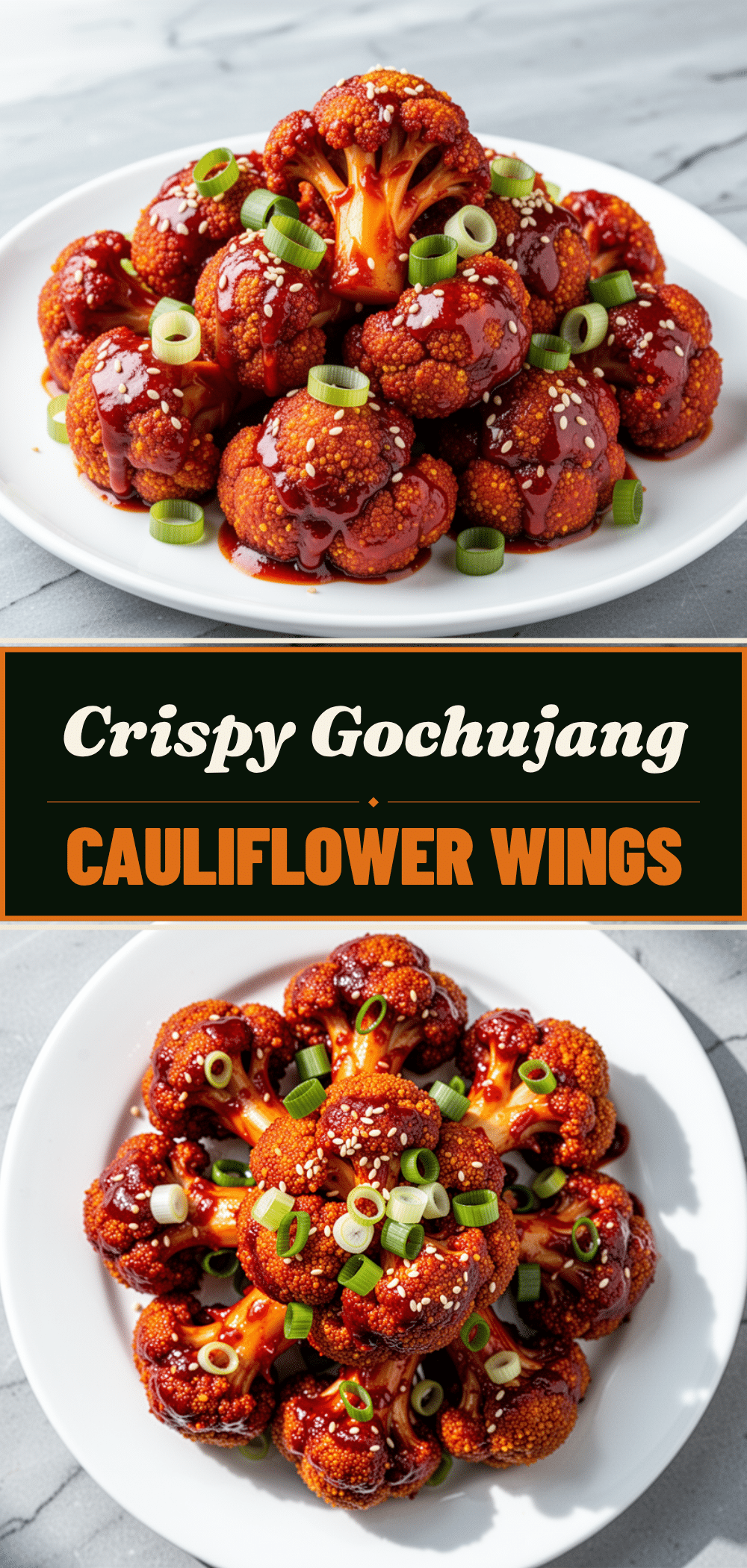
How to serve these crispy Korean gochujang cauliflower wings better than takeout.
How to Serve:
I usually serve these straight from the platter at the dinner table. They look rustic and colorful. But here are other ways I’ve enjoyed them:
Side Dishes:
- Steamed jasmine rice or fried rice
- A simple cucumber salad with rice vinegar and sesame oil
- Garlic butter roasted asparagus (yes, even with cauliflower, I like extra greens)
- Noodle bowls (these make a great topping for ramen or udon)
Toppings Bar:
When I have guests, I put out extra green onions, sesame seeds, chili flakes, and lime wedges. Everyone customizes their bowl.
Wine Pairing:
Not a wine expert, but my wine-snob friend says a crisp Riesling or a light Pinot Noir works great. For beer, a lager or a pale ale complements the spice well.
Storage Instructions:
Refrigerator:
Store leftovers in an airtight container for up to 3 days. The coating will soften slightly, but the flavor remains strong.
Reheating:
Best method: Oven or air fryer. Preheat to 375°F (190°C) and reheat for 5-7 minutes. This restores the crispiness. Microwave reheating makes them soggy. I avoid the microwave unless I’m in a huge rush.
Freezing:
I don’t recommend freezing these. The cauliflower texture changes when thawed, becoming mushy. It’s best to eat them fresh.
Meal Prep:
Roast the cauliflower ahead of time. Store the sauce separately. Reheat the cauliflower and toss with warm sauce right before serving. This keeps them crispy.
Nutrition Information
I’m not a nutritionist, but here’s the breakdown if you’re tracking. These numbers are estimates based on 1 head of cauliflower divided into 4 servings.
Per Serving:
- Calories: 180
- Protein: 6g
- Carbs: 28g
- Fiber: 6g
- Sugar: 12g
- Fat: 6g
- Sodium: 450mg
What’s Good:
- High in fiber and vitamins C and K
- Low in saturated fat
- Vegan and gluten-free friendly
What to Know:
- Sugar content comes from the maple syrup and gochujang
- Sodium can be reduced by using low-sodium soy sauce
My Take:
Look, this is comfort food. It’s not a diet recipe, but it’s way healthier than takeout. The cauliflower provides bulk and nutrients, and the sauce adds flavor without excessive calories. When I want to make it lighter, I reduce the maple syrup to 1 tablespoon. But usually? I just eat a reasonable portion and enjoy it.
Final Thoughts
So that’s my go-to crispy Korean gochujang cauliflower wings! I’ve probably talked your ear off at this point, but when you make a recipe this often, you have a lot to say about it.
This has saved weeknight dinners more times than I can count. It’s my answer to “what’s for dinner” when I’m tired, don’t want takeout, and still want something that tastes really good. My kids are happy, my husband’s happy, and I’m happy because I’m not stressed about cooking.
Make it yours! Try different add-ins, swap in your favorite vegetables, adjust the garlic (though more is always better in my opinion). The best recipes are the ones you adapt to your family’s tastes.
If you make this, drop a comment and let me know what you think! I love hearing how recipes turn out in your kitchen. And if something doesn’t work, tell me that too—I’m here to help troubleshoot.
Happy cooking! And I hope your kitchen smells half as good as mine does right now.
Frequently Asked Questions
Q: Can I use fresh gochugaru instead of gochujang paste?
A: You can, but the texture and flavor will be different. Gochugaru is a flake, while gochujang is a paste. If you use gochugaru, you’ll need to mix it with soy sauce, maple syrup, and a thickener like cornstarch to create a glaze. It won’t have the same fermented depth. I recommend sticking with gochujang paste for the authentic taste.
Q: Why did my cauliflower get soggy?
A: This usually happens if the florets were too wet before coating, or if they were overcrowded on the baking sheet. Make sure to pat them dry thoroughly and leave space between them. Also, don’t let them sit in the sauce too long before serving. Toss and eat immediately.
Q: Can I make this in the microwave?
A: You can cook the cauliflower in the microwave, but it won’t get crispy. It’ll be soft and steamed. For the best texture, use an oven or air fryer. If you must use the microwave, try to crisp them up in a toaster oven or skillet afterward.
Q: Is gochujang very spicy?
A: It’s moderately spicy. It has a deep, fermented heat, but it’s not like a habanero. Most people can handle it, but if you’re sensitive to spice, reduce the amount of gochujang or add more maple syrup to balance it.
Q: Can I double this recipe?
A: Absolutely! Double everything and use two baking sheets. Cook them in batches if your oven doesn’t have room. The cooking times stay the same. I do this when I’m meal-prepping or feeding a crowd.
Q: What can I serve with this?
A: These go great with steamed rice, fried rice, or noodle bowls. They also make a great appetizer for parties. I’ve served them with honey mustard chicken thighs as a main course, and they complement each other well.
Q: How do I reheat leftovers?
A: Reheat in the oven or air fryer at 375°F for 5-7 minutes to restore crispiness. Avoid the microwave, as it will make them soggy.
Pin This Recipe!
Crispy Korean Gochujang Cauliflower Wings
- Total Time: 30 minutes
- Yield: 4 servings 1x
Description
These vegan cauliflower wings are crispy on the outside, tender on the inside, and coated in a sticky, spicy, and savory gochujang glaze. A quick, healthy, and delicious alternative to takeout that’s ready in 30 minutes.
Ingredients
- 1 large head of cauliflower (2–2.5 lbs / 900-1100g), cut into bite-sized florets
- ½ cup (60g) cornstarch
- ¼ cup (30g) rice flour (optional, or substitute with extra cornstarch)
- 1 teaspoon garlic powder
- 1 teaspoon onion powder
- ½ teaspoon salt
- 1 tablespoon avocado oil or olive oil
- 3 tablespoons gochujang paste
- 2 tablespoons soy sauce (or tamari for gluten-free)
- 2 tablespoons maple syrup
- 1 tablespoon rice vinegar
- 3 cloves garlic, minced
- 1 teaspoon fresh ginger, minced
- 2 tablespoons water
- 2 green onions, sliced thinly (for garnish)
- 1 tablespoon toasted sesame seeds (for garnish)
Instructions
- Preheat oven to 400°F (200°C) or air fryer to 380°F (190°C).
- Pat cauliflower florets completely dry with paper towels to ensure crispiness.
- In a large bowl, whisk together cornstarch, rice flour, garlic powder, onion powder, and salt.
- Add cauliflower florets to the bowl and toss until evenly coated with a light dusting. Drizzle with oil if needed to help coating stick.
- Spread coated florets in a single layer on a parchment-lined baking sheet (do not overcrowd).
- Roast in oven for 20-25 minutes, flipping halfway, until golden brown and crispy. Or air fry for 12-15 minutes, shaking basket every 5 minutes.
- While cauliflower cooks, combine gochujang paste, soy sauce, maple syrup, rice vinegar, minced garlic, minced ginger, and water in a small saucepan over medium heat.
- Whisk constantly until the mixture simmers and thickens slightly (2-3 minutes). Remove from heat.
- Transfer hot cauliflower to a large bowl and pour warm sauce over it. Toss gently with tongs to coat evenly.
- Serve immediately, garnished with sliced green onions and toasted sesame seeds.
Notes
Ensure cauliflower is completely dry before coating to prevent sogginess. Do not overcrowd the pan; cook in batches if necessary. For extra crispiness, you can return sauced cauliflower to the oven/air fryer for 2-3 minutes. Leftovers can be stored in the fridge for up to 3 days and reheated in the oven or air fryer to restore crispiness.
- Prep Time: 10 minutes
- Cook Time: 20 minutes
- Category: Appetizer
- Cuisine: Korean
Nutrition
- Serving Size: 1/4 of the head of c
- Calories: 180
- Sugar: 12
- Sodium: 450
- Fat: 6
- Saturated Fat: 1
- Carbohydrates: 28
- Fiber: 6
- Protein: 6
Keywords: vegan cauliflower wings, gochujang sauce, crispy cauliflower, Korean appetizer, healthy vegan recipe, air fryer cauliflower, gluten-free options