I have a confession to make. For years, I treated asparagus like the high-maintenance friend who always shows up late to the party and complains about the weather. I’d buy it, stare at it in the fridge for three days, and then toss it in a pot of boiling water. Boiling. Water. It turned the spears into sad, slimy green mush that tasted like nothing and looked like it was apologizing for existing.
Then, about two years ago, I was hosting a small dinner party for some friends who are serious about food. I was stressed, running on three hours of sleep, and needed a side dish that looked fancy but wouldn’t require me to stand over the stove for an hour. I grabbed a bunch of asparagus, threw it on a baking sheet, drizzled it with butter, sprinkled on some garlic, and tossed it in the oven. I forgot about it until the timer went off 20 minutes later.
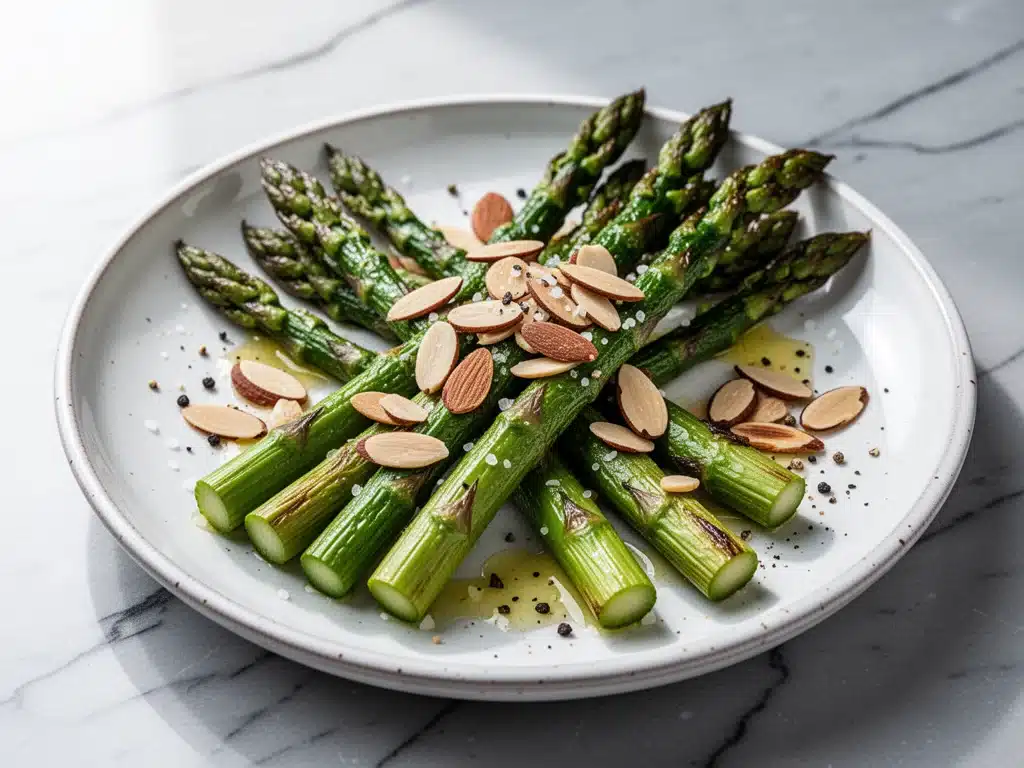
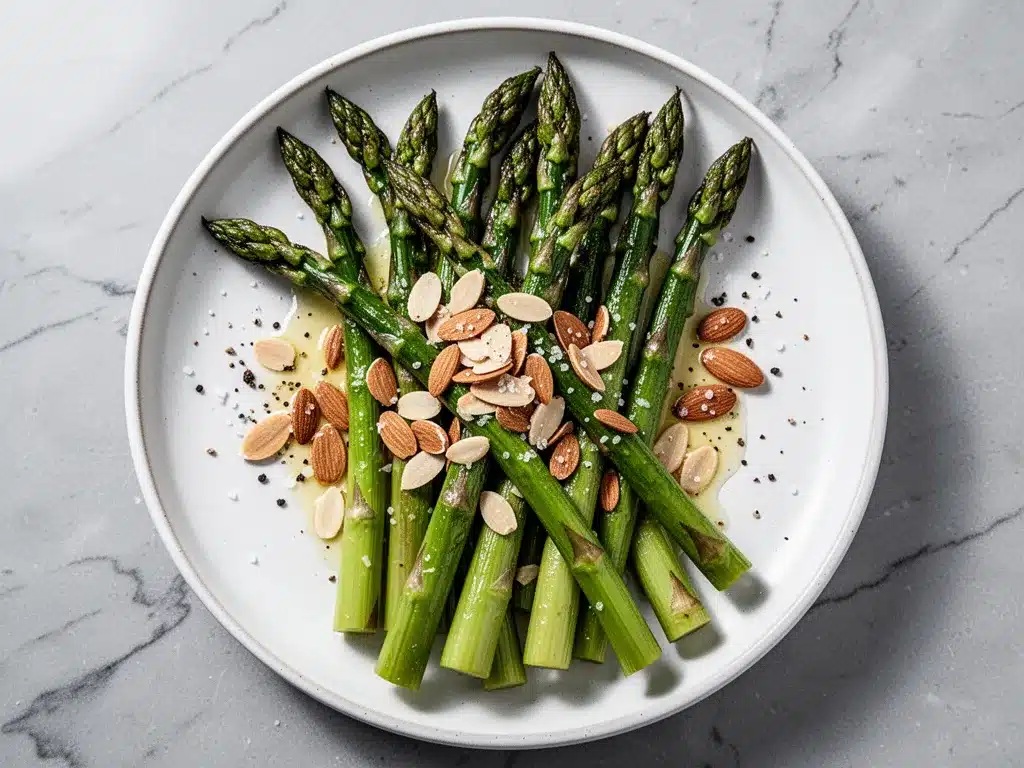
When I pulled that tray out, the kitchen smelled incredible. The asparagus wasn’t slimy. It was tender-crisp, slightly charred at the tips, and coated in this golden, garlicky butter. I finished it with some toasted almonds for crunch, and my guests went silent. Not the “awkward silence” kind, but the “holy crap, this is delicious” kind. My friend Sarah actually asked for the recipe before the main course was even served.
That was the moment I fell in love with Garlic Butter Roasted Asparagus with Toasted Almonds. It’s not just a side dish; it’s a game-changer. It’s the kind of recipe that makes you feel like a competent home cook without actually having to be one. It’s perfect for busy weeknights because, let’s be honest, after a long day at work, the last thing you want to do is manage multiple pots and pans. This dish needs one sheet pan, one bowl for mixing, and about 15 minutes of hands-on time. The rest? The oven does the heavy lifting.
I’ve made this roasted asparagus recipe at least a dozen times since that night. Sometimes I add lemon zest, sometimes I skip the almonds if I’m in a hurry, but the core method stays the same. It’s become my go-to for everything from quick Tuesday dinners to Sunday brunch spreads. If you’ve been avoiding asparagus because you think it’s too much work or you just don’t know how to make it taste good, this is your sign to try it. Trust me, once you taste this garlic butter version, you’ll never go back to boiling.
Why You’ll Love This Recipe
There are a hundred ways to cook vegetables, but this Garlic Butter Roasted Asparagus with Toasted Almonds hits a sweet spot that most side dishes miss. It’s not just about the flavor (though the garlicky butter is pretty hard to beat); it’s about how easy it is to integrate into your actual life. Here’s why this recipe has earned a permanent spot in my weekly rotation.
Stupid Simple Execution — Seriously, if you can drizzle oil and sprinkle salt, you can make this. I’ve walked my teenage son through it over FaceTime while I was at the store, and he nailed it. There’s no chopping onions, no sautéing, no complex techniques. You just toss, spread, and roast.
Lightning Fast — This is a true 15-minute meal. I’m talking 5 minutes of prep and 10 minutes in the oven. I make this on weeknights when I get home at 6:30 PM, throw it in the oven, and by the time I’ve set the table and poured a glass of wine, it’s ready. It’s the ultimate “I don’t have time to cook” savior.
Texture Heaven — Roasting is the secret weapon here. Boiling leaches out flavor and makes things soggy. Roasting concentrates the flavor and gives you that perfect tender-crisp bite. And the toasted almonds? They add a crucial crunch that contrasts with the soft asparagus. It’s the kind of textural variety that makes a simple vegetable dish feel gourmet.
Pantry-Friendly — You probably have almost all of these ingredients already. Asparagus is seasonal, sure, but you can find it pretty much year-round now. Butter, garlic, almonds—these are staples. I keep a jar of slivered almonds in my pantry specifically for this recipe because it elevates the dish from “side veg” to “star side.”
Make-Ahead Friendly (Sort Of) — I prep the asparagus in the morning, toss it in a container with the butter mixture, and keep it in the fridge. When I get home, I just dump it on the baking sheet and roast. It saves me even more time during the dinner rush. Just don’t roast it too early, or it’ll get limp. Freshly roasted is best, but prep-ahead is a lifesaver.
This recipe has saved me more weeknight dinners than I can count. It’s reliable, delicious, and makes everyone at the table happy, even the picky eaters who claim they “don’t like vegetables.” It’s my answer to “what’s for dinner” when I’m tired, don’t want takeout, and still want something that tastes really good.
Ingredients You’ll Need
Here’s the best part: this recipe is incredibly straightforward. You don’t need a trip to a specialty store or a cart full of obscure spices. I’m particular about three ingredients here—the asparagus, the garlic, and the almonds—and I’ll tell you exactly why they matter.
Asparagus (1.5 pounds / 680g) — Look for spears that are bright green and firm, not limp or yellowing. Thickness matters here. I prefer medium-thick spears (about the width of your pinky finger). Thin spears get too woody and burn easily. Thick spears can be tough to cook through. If you buy thick asparagus, just peel the bottom inch of the stalk with a vegetable peeler to remove the tough, fibery skin. It’s a small step that makes a huge difference in texture. I usually buy the bunches wrapped in rubber bands, but loose asparagus is fine too—just check for freshness.
Unsalted Butter (4 tablespoons / 60g) — I use unsalted so I can control the sodium. Melt it before you toss it with the asparagus; it coats better and distributes the flavor evenly. Don’t use olive oil as a direct substitute if you want that classic rich garlic butter flavor, though you can use half butter/half oil if you’re worried about burning. Butter has a lower smoke point, but since we’re roasting at a moderate temp, it’s fine.
Garlic (4 cloves, minced / about 1 tablespoon) — Yes, four cloves. Don’t skimp. Fresh garlic is non-negotiable here. Jarred minced garlic has a metallic, overly sharp taste that doesn’t mellow out like fresh garlic does when roasted. I buy fresh bulbs and mince them myself. If you’re in a massive rush, you can use a garlic press, but a knife gives you more control. Fresh only—no jarred garlic in this recipe. I’ve tried it, and it just doesn’t taste the same.
Slivered Almonds (¼ cup / 30g) — These add the crunch. You can buy them pre-sliced, or buy whole almonds and pulse them in a food processor for 10 seconds. Toasting them first is key (I’ll show you how), but raw almonds work in a pinch. They add a nutty, earthy flavor that pairs perfectly with the garlic. I love the contrast of the soft asparagus and the crunchy almonds. It’s a classic combination for a reason.
Extra Virgin Olive Oil (1 tablespoon / 15ml) — I use a little olive oil along with the butter to help prevent the butter from burning. Butter contains milk solids that can brown quickly, so the oil acts as a buffer. Use a good quality extra virgin for the best flavor. If you’re out of olive oil, you can use more butter, just keep an eye on it.
Kosher Salt (1 teaspoon / 6g) — Kosher salt is my go-to because it’s easier to pinch and distribute evenly. Table salt is finer and can easily make the dish too salty if you’re not careful. If you only have table salt, use half the amount. Seasoning generously is important because asparagus can be a bit bland on its own.
Black Pepper (½ teaspoon, freshly cracked) — Freshly cracked pepper adds a nice bite. Pre-ground pepper loses its potency quickly. I use a pepper mill and grind it right over the asparagus before roasting. It adds a subtle heat that balances the richness of the butter.
Lemon Zest (Optional, from 1 lemon) — This is my secret weapon for brightness. The zest adds a citrusy aroma that cuts through the heavy butter and garlic. It’s optional, but I highly recommend it, especially if you’re serving this alongside rich meats like steak or roast chicken. It lightens up the dish and makes it feel more vibrant.
Red Pepper Flakes (Optional, ¼ teaspoon) — If you like a little kick, add a pinch of red pepper flakes. It adds a subtle warmth that complements the garlic. I usually skip this for kids, but for adults, it’s a nice touch.
Parmesan Cheese (Optional, 2 tablespoons, grated) — Some people like to sprinkle Parmesan on top after roasting. It adds a salty, umami boost. I’m not a huge fan of it with this specific recipe because I like the pure garlic-butter-almond flavor, but if you love cheese, go for it. Just add it in the last minute of roasting so it doesn’t burn.
Equipment Needed
You don’t need fancy equipment for this. Here’s what I actually use. Most of this is stuff you already have in your kitchen.
Baking Sheet — I use a standard 18×13-inch rimmed baking sheet. Make sure it’s not too small, or the asparagus will be crowded. Crowded asparagus steams instead of roasts, and you want that caramelized, slightly charred exterior. If you have a half-sheet pan, that’s ideal. If you have to use two smaller pans, do it. Don’t overcrowd the pan.
Large Mixing Bowl — Any bowl that’s big enough to toss the asparagus comfortably. I use a glass bowl because it’s easy to clean and doesn’t retain odors. A large salad bowl works too. You need enough room to toss the asparagus with the butter and garlic so every spear gets coated.
Small Skillet or Pan — For toasting the almonds. A 10-inch skillet is perfect. I prefer stainless steel or cast iron because they heat evenly, but non-stick works fine too. This step is optional but highly recommended for maximum flavor.
Vegetable Peeler — Only needed if you buy thick asparagus. I use a standard Y-peeler. It’s quick and easy to remove the tough bottom skin. If your asparagus is thin, you can skip this step. The tips should be tender enough to eat without peeling.
Sharp Knife — For trimming the ends of the asparagus and mincing the garlic. Dull knives make you cry more—literally and figuratively. I use my chef’s knife for everything. If your knife is dull, go sharpen it or use a different one. It makes prep so much faster.
Measuring Spoons — Pretty standard stuff. Dollar store versions work fine for this recipe. You don’t need to be super precise, but having rough measurements helps ensure consistency. I usually eyeball it, but if you’re new to cooking, measuring is safer.
Colander — For washing the asparagus. I like to rinse it thoroughly before prepping. Any colander works. If you don’t have one, you can wash it in a large bowl of water and lift it out, but a colander is easier.
Wooden Spoon or Spatula — For stirring the almonds while they toast. Wooden spoons are great because they don’t scratch non-stick pans. Silicone spatulas work too. Just make sure you have something to stir with so the almonds don’t burn.
Optional but nice:
- Microplane or Zester — For the lemon zest. A microplane gives you fine, fluffy zest that distributes evenly. A regular grater works but gives you bigger pieces. If you don’t have one, just skip the zest.
- Parchment Paper — I don’t usually use it for this recipe because I like the direct contact with the pan for browning, but if you’re worried about cleanup, line your baking sheet. It makes washing the pan easier, but you might miss out on some caramelization.
How to Make It: Step-by-Step
Alright, let’s make this! I’m walking you through exactly how I do it, including the little tricks I’ve picked up over the years. This is straightforward, but there are a few key moments that make all the difference.
Step 1: Prep the Asparagus (5 minutes)
Start by washing your asparagus under cold water. Shake off excess water or pat it dry with a paper towel. You want it relatively dry so the butter sticks. Next, trim the ends. I usually snap off the bottom inch or two of each spear. The bottom part is tough and woody, so it’s not pleasant to eat. If you’re unsure where to snap, just hold the spear near the middle and bend it—it will naturally break where the tender part begins. If you’re using thick asparagus, peel the bottom inch with a vegetable peeler to remove the fibery skin. This step is crucial for tender asparagus. Once prepped, lay the spears on your baking sheet or in your mixing bowl.
Step 2: Toast the Almonds (3 minutes)
While you’re prepping the asparagus, toast your almonds. Heat a small skillet over medium-low heat. Add the slivered almonds in a single layer. Toast them for 2-3 minutes, stirring constantly, until they’re golden brown and fragrant. Watch them closely! Almonds burn quickly. Once they’re done, pour them onto a plate or small bowl to cool. Don’t leave them in the hot pan, or they’ll keep cooking and burn. Let them cool completely while you finish the asparagus. This step releases the oils in the almonds and adds that deep, nutty flavor.
Step 3: Make the Garlic Butter Mixture (2 minutes)
Melt the butter in a small microwave-safe bowl or saucepan. I use the microwave for speed—30 seconds usually does it. Stir in the minced garlic, olive oil, salt, and black pepper. If you’re using lemon zest or red pepper flakes, add them now. Whisk it all together until well combined. The mixture should be smooth and fragrant. If the butter solidifies as it cools, just microwave it for another 10 seconds. You want it liquid so it coats the asparagus evenly.
Step 4: Toss the Asparagus (2 minutes)
Pour the garlic butter mixture over the asparagus. Use your hands or a large spoon to toss everything together until every spear is well-coated. Make sure you get into the nooks and crannies. If some spears look dry, add a little more butter. Transfer the coated asparagus to your prepared baking sheet. Spread them out in a single layer. This is important! If they’re piled on top of each other, they’ll steam. We want them roasted. Give the pan a shake to ensure they’re evenly spaced.
Step 5: Roast (10-12 minutes)
Preheat your oven to 400°F (200°C). Once preheated, place the baking sheet in the center of the oven. Roast for 10-12 minutes, depending on the thickness of your asparagus. Thin spears might take only 8 minutes. Thick spears might take up to 15. Check them at the 10-minute mark. The asparagus is done when it’s tender-crisp and slightly charred at the tips. It should bend easily when you pick it up with tongs but not fall apart. If you like it more well-done, leave it in for another 2-3 minutes.
Step 6: Finish and Serve (1 minute)
Remove the baking sheet from the oven. Immediately sprinkle the toasted almonds over the hot asparagus. The residual heat will help the almonds stick slightly. Toss everything together gently so the almonds distribute evenly. Taste one spear. If it needs more salt, add a pinch. Serve immediately while hot. This dish is best fresh out of the oven, but leftovers are fine too (though the almonds might lose some crunch).
Total Time: About 15 minutes (5 minutes prep, 3 minutes toasting, 2 minutes mixing, 10 minutes roasting)
Built-in Troubleshooting:
- Asparagus is too soggy: You overcrowded the pan. Make sure spears are in a single layer with space between them.
- Garlic is burning: Your oven was too hot, or the garlic was too close to the heating element. Keep an eye on it, and consider adding the garlic in the last 5 minutes if your oven runs hot.
- Almonds are bitter: They burned. Next time, toast them on lower heat or for less time. They should be golden, not dark brown.
Expert Tips & Tricks
Here’s everything I’ve learned from making this dozens of times. These tips will save you from my mistakes and ensure your asparagus is perfect every time.
Don’t Skip the Toasting
I know it’s an extra step, but toasting the almonds makes a world of difference. Raw almonds are fine, but toasted almonds have a deeper, richer flavor that pairs beautifully with the garlic. It’s like the difference between plain bread and toasted bread. Just a few minutes in a pan is all it takes.
Pat Dry the Asparagus
After washing, make sure the asparagus is dry. Wet asparagus + butter = steamed asparagus. You want the butter to roast, not steam. I use a paper towel to pat them dry, but shaking them off well is usually enough. The drier they are, the better the roast.
Use Fresh Garlic
I’ve said it before, but I’ll say it again. Fresh garlic is non-negotiable. Jarred garlic has preservatives and oils that change the flavor profile. It tastes sharper and less sweet. Fresh garlic mellows out in the oven and becomes sweet and nutty. It’s worth the 2 minutes to mince it yourself.
Watch the Oven Temp
400°F is the sweet spot. Higher temps can burn the garlic before the asparagus is cooked. Lower temps can make the asparagus limp. If your oven runs hot, check it 2 minutes early. If it runs cold, give it 2 minutes extra. Use an oven thermometer if you’re unsure—many home ovens are off by 25 degrees or more.
Save the Stems
Don’t throw away the tough ends! Save them and throw them into a stockpot with other vegetable scraps to make homemade vegetable broth. It adds flavor and reduces waste. I keep a bag in my freezer for this purpose.
Adjust for Thickness
Thick asparagus takes longer to cook. If you buy jumbo spears, consider peeling the bottom half and roasting them for 15-18 minutes. Thin spears cook faster, so check them at 8 minutes. Don’t rely solely on the timer; trust your eyes and taste buds.
Add Lemon at the End
If you’re using lemon zest, add it after roasting. Heat can make lemon zest bitter. Sprinkling it on hot asparagus right before serving keeps the flavor bright and fresh. It’s a small touch that makes the dish feel more vibrant.
Make It Ahead (Smartly)
You can prep the asparagus and toss it with the butter mixture up to 4 hours ahead. Keep it covered in the fridge. When you’re ready to cook, just dump it on the pan and roast. This is great for meal prep or when you’re hosting a dinner party and want to minimize stress during the event.
Variations & Substitutions
Once you’ve nailed the basic version, here’s how you can mix it up. I’ve tried all of these, and they’re all delicious in their own way.
Lemon Herb Version
Add the zest of one lemon and 1 tablespoon of fresh chopped parsley or thyme to the butter mixture before tossing. It adds a fresh, herbal note that’s great for spring. I love this version with grilled chicken or fish.
Spicy Garlic Version
Add ½ teaspoon of red pepper flakes or a diced jalapeño to the butter mixture. It adds a nice kick that balances the richness. I make this version when I’m serving it with mild dishes like roasted potatoes or white fish.
Parmesan Crunch Version
Sprinkle ¼ cup of grated Parmesan cheese over the asparagus in the last 2 minutes of roasting. It creates a cheesy, crispy crust. I’ve seen this done in restaurants, and it’s amazing. Just watch it closely so the cheese doesn’t burn.
Bacon Bits
Crumple up some cooked bacon and sprinkle it over the asparagus after roasting. It adds a smoky, salty crunch. This is my go-to for brunch or when I want to make the dish feel more indulgent. It pairs well with eggs.
Gluten-Free
This recipe is naturally gluten-free, so no changes needed. Just make sure your almonds and butter are certified gluten-free if you’re strictly avoiding cross-contamination.
Dairy-Free
Replace the butter with olive oil or vegan butter. Use nutritional yeast instead of Parmesan if you’re adding cheese. The almonds still add great flavor. My lactose-intolerant friend loves this version, though the texture is slightly different without the butter.
Nut-Free
Skip the almonds and add toasted sesame seeds or pumpkin seeds (pepitas) instead. They add a similar crunch and nutty flavor. I’ve used pepitas for a kid-friendly version, and it works well.
Prosciutto Wrapped
Wrap each asparagus spear with a thin slice of prosciutto before roasting. It adds a salty, savory flavor and looks fancy. Roast for 10-12 minutes until the prosciutto is crispy. This is great for appetizers or special occasions.
Serving & Storage
How to Serve:
I usually serve this straight from the baking sheet at the dinner table—it looks rustic and stays warm. But here are other ways I’ve enjoyed it:
- With Grilled Meats: This is the perfect side for steak, chicken, or pork chops. The garlic butter pairs well with grilled flavors.
- With Fish: Lighter fish like salmon or cod go great with this. The lemon zest version is especially good here.
- As an Appetizer: Serve it with dipping sauces like aioli or ranch. It’s a healthy-ish finger food that adults love.
- With Breakfast: I’ve served this at brunch with eggs and bacon. It’s a savory, satisfying start to the day.
Storage Instructions:
Refrigerator: Store leftovers in an airtight container for up to 3 days. The almonds will lose some crunch, but the asparagus will still be tasty. Reheat in a skillet over medium heat for 2-3 minutes, or in the microwave for 1-2 minutes. It won’t be as crisp as fresh, but it’s still good.
Freezing: Honestly, this doesn’t freeze well. The asparagus becomes mushy when thawed, and the butter separates. I recommend making it fresh. If you must freeze, freeze the roasted asparagus without the almonds, but expect a change in texture.
Meal Prep: Prep the asparagus and toss with butter in the morning. Keep in the fridge. Roast when you get home. This is the best way to meal prep this dish. Cooked asparagus doesn’t reheat well, so prep is better than cooking ahead.
Nutrition Information
I’m not a nutritionist, but here’s the breakdown if you’re tracking. This is per serving, based on 4 servings.
- Calories: 180
- Protein: 5g
- Carbs: 8g
- Fiber: 4g
- Sugar: 3g
- Fat: 14g
- Saturated Fat: 5g
- Sodium: 320mg
It’s a relatively light side dish, but the butter and almonds add healthy fats and calories. It’s a good source of fiber and vitamin K from the asparagus. If you’re watching calories, you can reduce the butter to 2 tablespoons, but it won’t be as rich.
Final Thoughts
So that’s my go-to Garlic Butter Roasted Asparagus with Toasted Almonds! I’ve probably talked your ear off at this point, but when you make a recipe this often, you have a lot to say about it. This has saved weeknight dinners more times than I can count. It’s my answer to “what’s for dinner” when I’m tired, don’t want takeout, and still want something that tastes really good. My kids are happy, my husband’s happy, and I’m happy because I’m not stressed about cooking.
Make it yours! Try different add-ins, swap in your favorite nuts, adjust the garlic (though more is always better in my opinion). The best recipes are the ones you adapt to your family’s tastes. If you make this, drop a comment and let me know what you think! I love hearing how recipes turn out in your kitchen. And if something doesn’t work, tell me that too—I’m here to help troubleshoot.
Happy cooking! And I hope your kitchen smells half as good as mine does right now.
Frequently Asked Questions
Q: Can I use frozen asparagus?
A: You can, but fresh is always better for this recipe. Frozen asparagus is usually blanched before freezing, which means it’s already partially cooked. It can get mushy when roasted. If you must use frozen, thaw it completely and pat it very dry. Roast at a higher temp (425°F) for a shorter time (8-10 minutes) to try to get some crispiness. But honestly, fresh asparagus is worth the extra trip to the store.
Q: Why did my asparagus come out soggy?
A: Usually, this happens because the spears were too crowded on the pan. They need space to roast, not steam. Make sure they’re in a single layer. Also, if you didn’t dry them after washing, the excess water steams them. Pat them dry! And don’t cover the pan while roasting.
Q: Can I make this in an air fryer?
A: Yes! It works great in an air fryer. Preheat to 375°F. Toss the asparagus with the butter mixture and roast for 6-8 minutes, shaking the basket halfway through. Keep an eye on it because air fryers vary in power. The almonds can be toasted in the air fryer for 2-3 minutes at 350°F before adding to the asparagus.
Q: How do I know when asparagus is done?
A: It should be tender-crisp. Pierce a spear with a fork—it should go in easily but not fall apart. The tips should be slightly charred and fragrant. If you’re unsure, taste one. It should be sweet and tender, not tough or woody.
Q: Can I add other vegetables to the pan?
A: Sure! Carrots or broccoli florets can be roasted on the same pan. Just note that they might take longer to cook, so you might need to start them 5 minutes before the asparagus. Or use smaller vegetables that cook at the same rate, like green beans or snap peas.
Q: Why did my garlic burn?
A: Garlic burns easily because it’s small and has a low sugar content. If your oven runs hot, or if the garlic was too close to the heating element, it can burn. To prevent this, mince the garlic finely so it cooks quickly, or add it in the last 5 minutes of roasting. You can also mix the garlic with the oil first to help distribute the heat.
Pin This Recipe!
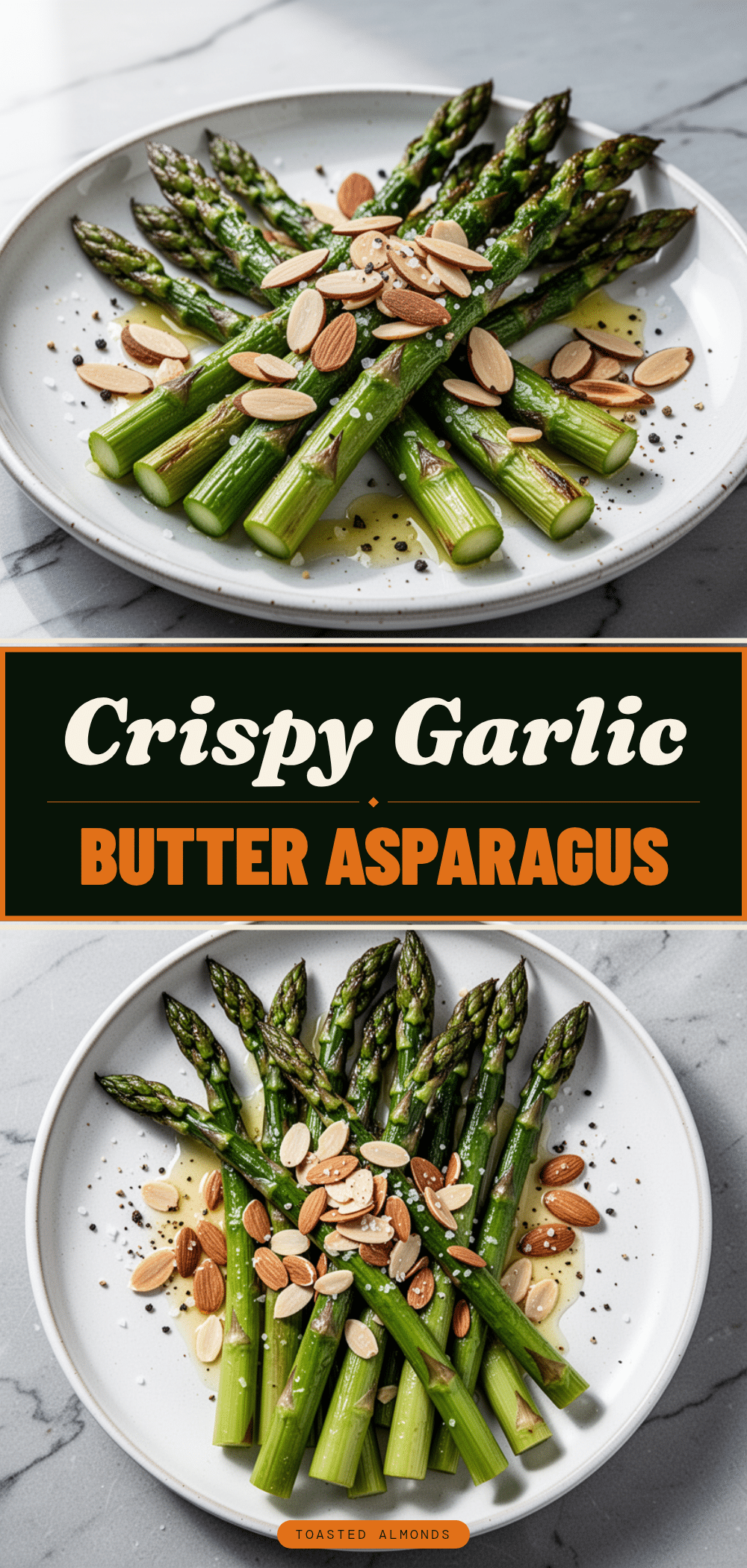
Garlic Butter Roasted Asparagus with Toasted Almonds
- Total Time: 15 minutes
- Yield: 4 servings 1x
Description
A quick and easy 15-minute side dish featuring tender-crisp asparagus roasted with garlic butter and topped with crunchy toasted almonds. Perfect for busy weeknights.
Ingredients
- 1.5 pounds asparagus (medium-thick spears)
- 4 tablespoons unsalted butter
- 4 cloves garlic, minced
- 1 tablespoon extra virgin olive oil
- 1 teaspoon kosher salt
- 1/2 teaspoon freshly cracked black pepper
- 1/4 cup slivered almonds
- 1 lemon zest (optional)
- 1/4 teaspoon red pepper flakes (optional)
- 2 tablespoons grated Parmesan cheese (optional)
Instructions
- Preheat oven to 400°F (200°C).
- Wash asparagus and pat dry. Trim tough ends by snapping or cutting. If using thick spears, peel the bottom inch with a vegetable peeler.
- Toast slivered almonds in a small skillet over medium-low heat for 2-3 minutes until golden and fragrant. Remove from pan and let cool.
- Melt butter in a microwave-safe bowl or saucepan. Stir in minced garlic, olive oil, salt, and pepper until combined.
- Place asparagus in a large mixing bowl. Pour garlic butter mixture over asparagus and toss to coat evenly.
- Spread asparagus in a single layer on a rimmed baking sheet.
- Roast for 10-12 minutes until tender-crisp and slightly charred at the tips.
- Remove from oven and immediately sprinkle with toasted almonds. Toss gently to distribute.
- Serve immediately.
Notes
Ensure asparagus is dry before roasting to prevent steaming. Do not overcrowd the baking sheet; use two pans if necessary. Toasting almonds enhances flavor significantly. For thick asparagus, peel the bottom inch to remove fibery skin. Leftovers can be stored in the refrigerator for up to 3 days but do not freeze well.
- Prep Time: 5 minutes
- Cook Time: 10 minutes
- Category: Side Dish
- Cuisine: American
Nutrition
- Serving Size: 1/4 of the recipe
- Calories: 180
- Sugar: 3
- Sodium: 320
- Fat: 14
- Saturated Fat: 5
- Carbohydrates: 8
- Fiber: 4
- Protein: 5
Keywords: asparagus, roasted asparagus, garlic butter, side dish, quick recipes, healthy vegetables, gluten-free, dairy-free option