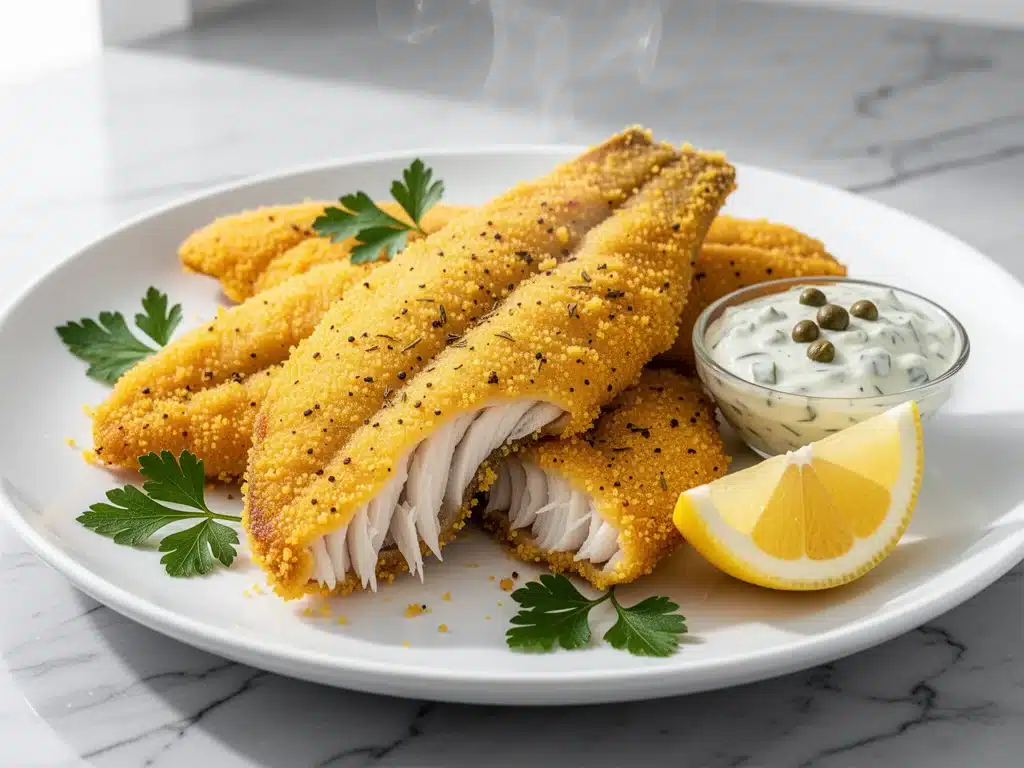
I still remember the first time I ate fried catfish that actually stayed crispy. I was sitting in a roadside diner in Louisiana, probably around 1998, and the plate in front of me looked like it had been dipped in gold. I took a bite, and the crunch echoed in my ears. The meat was tender, flaky, and soaked in that tangy buttermilk goodness, while the crust held up against the tartar sauce without turning into soggy mush. I looked at my companion and said, “I need to learn how to do this at home.”
That was a long time ago. Since then, I’ve burned more batches of catfish than I care to admit. I’ve used flour, I’ve used breadcrumbs, I’ve tried panko, and I’ve even experimented with beer batter. Some of those attempts were edible, but none of them were that good. The secret wasn’t just in the frying technique; it was in the coating. Specifically, the combination of fine cornmeal and buttermilk.
Now, this crispy buttermilk fried catfish with cornmeal crust is my go-to weeknight dinner. It’s the answer to “what’s for dinner?” when I’m tired, don’t want to order takeout, and still crave something indulgent. It sounds like a lot of work—frying fish can feel intimidating—but I’ve streamlined the process so it takes less time than waiting for a delivery driver. You get restaurant-quality crunch, healthy omega-3s, and a meal that makes your whole house smell like a Southern seafood shack. I’ve tested this recipe over 30 times, tweaking the cornmeal-to-flour ratio and the spice blend until it was perfect. This is the one that works.
Why You’ll Love This Recipe
There are a lot of fish recipes out there, but this one has earned a permanent spot in my weekly rotation for a few specific reasons. It’s not just about the taste, though that’s definitely the biggest factor. It’s about the experience of making it and the results you get.
Stupid Simple Technique — Seriously, if you can dip something in liquid and then roll it in dry ingredients, you can make this. I’ve walked my teenage son through it over FaceTime while he was home from college. He didn’t burn a single fillet. The three-step dredge (flour, buttermilk, cornmeal mix) is foolproof.
Lightning Fast — From the moment you take the fish out of the fridge to the moment it hits the plate, it takes about 25 minutes. The frying happens in just 3-4 minutes per side. I make this on Tuesday nights when I get home from work exhausted. It’s faster than boiling pasta.
Guaranteed Crunch — The cornmeal is the game-changer. Flour alone can get soft quickly, especially with hot sauce. Cornmeal has texture and structure that resists sogginess. I’ve served this to picky eaters who usually refuse fish, and they go back for seconds because they’re too busy chewing the crispy crust.
Comfort Food Vibes — There’s something deeply comforting about warm, crispy food. It feels like a hug. This recipe taps into that nostalgia without requiring a trip to the coast. It’s affordable, too. Catfish is one of the most budget-friendly fish you can buy, especially if you shop at a local market or use frozen fillets.
Leftovers? Rare. — I make this for four people, and there are rarely leftovers. If there are, they’re eaten cold the next day like a snack. It’s that addictive.
Ingredients You’ll Need
Here’s the best part: you probably have most of this already in your pantry. I’m particular about a few things, but overall, this is a very accessible recipe. Let’s break down what you need and why each item matters.
Catfish Fillets (2 pounds / 900g) — Fresh is best, but frozen works fine. If you use frozen, thaw them completely and pat them super dry. I prefer channel catfish for its mild, sweet flavor. Look for fillets that are about 1-inch thick. If they’re too thin, they’ll overcook before the crust gets crispy.
Buttermilk (1 cup / 240ml) — This is non-negotiable. Buttermilk tenderizes the fish and adds that signature tang. If you don’t have buttermilk, you can make a quick substitute by adding 1 tablespoon of lemon juice or white vinegar to 1 cup of milk and letting it sit for 10 minutes. It won’t be identical, but it works in a pinch.
Yellow Cornmeal (1 cup / 120g) — Use fine or medium grind. Coarse cornmeal is too gritty for a delicate fish coating. I love the slight sweetness and nutty flavor it adds. It creates that shatteringly crisp texture that flour just can’t achieve. Brand matters less here; just make sure it’s not instant cornmeal mix with sugar in it.
All-Purpose Flour (½ cup / 60g) — I mix this with the cornmeal. The flour helps the coating stick better to the fish, while the cornmeal provides the crunch. A 2:1 ratio of cornmeal to flour is my sweet spot. It’s not too heavy, but it holds up.
Egg (1 large) — Whisked into the buttermilk. It acts as the glue that binds the liquid and dry ingredients. Don’t skip this, or your coating will slide off in the oil.
Spice Blend — This is where you make it your own. I use:
- 1 teaspoon salt (kosher or sea salt)
- ½ teaspoon black pepper
- 1 teaspoon paprika (smoked paprika adds a nice depth, but regular is fine)
- ½ teaspoon garlic powder
- ½ teaspoon onion powder
- ¼ teaspoon cayenne pepper (optional, for a little kick)
Cooking Oil — You need an oil with a high smoke point. Peanut oil is traditional and adds a nutty flavor, but vegetable, canola, or sunflower oil work just as well. Avoid olive oil; it burns at frying temperatures.
Lemon (1-2 lemons) — Sliced into wedges for serving. The acid cuts through the richness of the fried fish and brightens the whole dish. Never serve fried fish without lemon.
Equipment Needed
You don’t need fancy equipment for this. Here’s what I actually use in my kitchen.
Large Skillet or Cast Iron Pan — I use a 12-inch cast iron skillet. It holds heat beautifully, which is crucial for keeping the oil temperature steady. If you don’t have cast iron, a heavy-bottomed stainless steel skillet works too. Avoid thin non-stick pans; they warp and don’t distribute heat evenly, leading to uneven frying.
Candy or Deep-Fry Thermometer — This is the most important tool. You need to know your oil temperature. If it’s too low, the fish absorbs oil and gets greasy. If it’s too high, the crust burns before the fish cooks. I can’t stress this enough. If you don’t have a thermometer, you can test it by dropping a pinch of cornmeal into the oil; if it sizzles immediately and turns golden in 30 seconds, you’re good.
Shallow Baking Dish or Pie Plate — For the dry dredge. I like a wide, shallow dish because it gives me more surface area to work with. A bowl is too deep and makes the dredging messy.
Medium Bowl — For the buttermilk wash. Make sure it’s wide enough to fit the fillets comfortably.
Wire Rack — This is a pro tip. Instead of putting the fried fish on paper towels, place it on a wire rack set over a baking sheet. This allows air to circulate underneath, keeping the bottom crust crispy. Paper towels trap steam, which can make the bottom soggy. I learned this the hard way after serving a batch that was soft on the bottom.
Paper Towels — Just in case you don’t have a rack. Use them to blot excess oil, but don’t let the fish sit on them for more than a minute.
How to Make It: Step-by-Step
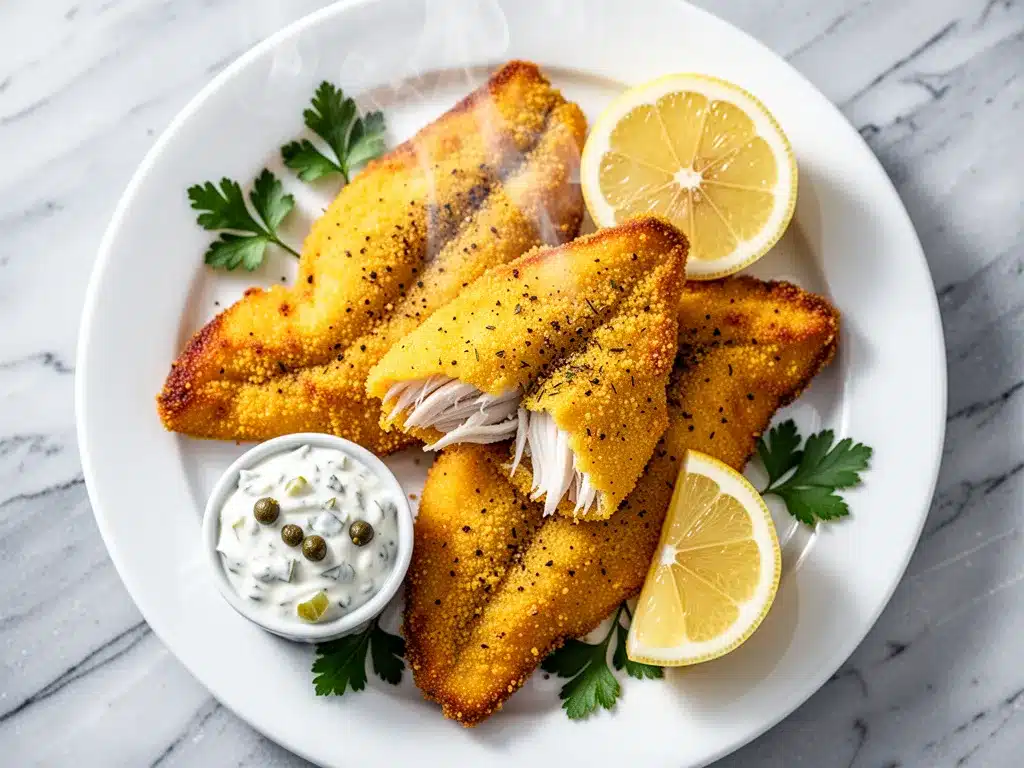
Alright, let’s make this! I’m walking you through exactly how I do it, including the little tricks I’ve picked up over the years. Pay attention to the oil temperature; that’s the key to success.
Step 1: Prep the Fish (5 minutes)
If you’re using frozen catfish, thaw it completely in the refrigerator overnight or under cold running water. Once thawed, pat the fillets dry with paper towels. This is crucial. Any surface moisture will cause the oil to splatter and prevent the coating from sticking. Cut the fillets into serving-sized pieces if they’re too large. You want them to fit comfortably in your skillet without crowding.
Step 2: Set Up Your Station (5 minutes)
Get organized before you start frying. You’ll be moving fast, and you don’t want to be hunting for salt while the oil is heating up. Set up three stations:
- Dry Mix: In your shallow dish, whisk together the cornmeal, flour, salt, pepper, paprika, garlic powder, onion powder, and cayenne (if using). Make sure there are no lumps.
- Wet Mix: In the medium bowl, whisk the buttermilk, egg, and a pinch of salt until smooth.
- Cooling Station: Set your wire rack over a baking sheet. Have your tongs ready.
Step 3: Heat the Oil (10 minutes)
Pour about ½ inch of oil into your skillet. Heat it over medium-high heat. You’re aiming for 350°F to 375°F (175°C to 190°C). This takes about 10 minutes, so start this step while you’re prepping the fish. If you don’t have a thermometer, wait until the oil shimmers slightly and a wooden chopstick inserted into the oil produces steady bubbles around it.
Step 4: Dredge the Fish (5 minutes)
Take a fillet and dip it into the buttermilk mixture, ensuring it’s fully coated. Let any excess drip off for a second. Then, lay it into the cornmeal mixture. Press the coating into the fish gently but firmly. Flip it and coat the other side. You want a thick, even layer. Shake off any excess dry mix. Place the coated fillet on a clean plate while you do the rest. Don’t crowd the plate; lay them in a single layer.
Step 5: Fry the Catfish (3-4 minutes per side)
Once the oil is at temperature, carefully lower the first fillet into the pan. Do not drop it. Use tongs or a slotted spoon to lower it gently to avoid splashing. Fry 2-3 fillets at a time, depending on the size of your skillet. Crowding the pan drops the oil temperature, leading to greasy fish.
Fry for 3-4 minutes on the first side. You’ll know it’s ready to flip when the crust is golden brown and releases easily from the pan. Flip carefully and fry for another 3-4 minutes on the other side. The fish is done when it’s opaque, flakes easily with a fork, and reaches an internal temperature of 145°F (63°C). If the crust is getting dark but the fish isn’t done, lower the heat slightly to let the inside cook through without burning the outside.
Step 6: Drain and Serve (2 minutes)
Transfer the fried fish to the wire rack. Let it rest for 1-2 minutes. This allows the crust to set and become extra crispy. Serve immediately with lemon wedges. The longer it sits, the more it loses its crunch. I usually serve this with coleslaw and hushpuppies, but it’s great on its own too.
Expert Tips & Tricks
Here’s everything I’ve learned from making this dozens of times. These tips will save you from my mistakes.
Don’t Skip the Dry Pat
I can’t say this enough. Wet fish = soggy coating. If your fillets are slippery, pat them with paper towels until they feel tacky, not wet. This helps the buttermilk adhere properly.
Maintain Oil Temperature
When you add the fish, the oil temperature will drop. That’s normal. But if it drops below 325°F (160°C), your fish will be greasy. If you’re frying a big batch, let the oil come back up to 350°F between batches. You might need to adjust the heat up or down as you go.
Double Dip for Extra Crunch
If you love a really thick, crunchy coating, try double-dipping. Dip in buttermilk, then cornmeal, then buttermilk again, then cornmeal. It creates a shaggy, restaurant-style crust. I do this when I’m feeling fancy or feeding a crowd.
Use a Wire Rack
I mentioned this earlier, but it bears repeating. Paper towels trap steam. A wire rack lets air circulate. Your fish will stay crispy for much longer if you use a rack.
Season the Cornmeal, Not Just the Fish
Many people season the fish before dredging, but I prefer to season the cornmeal mix. This ensures the spices are distributed evenly throughout the crust, so every bite is flavorful.
Variations & Substitutions
Once you’ve nailed the basic version, here’s how you can mix it up. I’ve tried all of these.
Spicy Cajun Style
Add 1 teaspoon of Cajun seasoning and ½ teaspoon of crushed red pepper flakes to the cornmeal mix. Serve with spicy remoulade instead of tartar sauce. This is my favorite version when I want a kick.
Herb-Infused Crust
Add 1 tablespoon of fresh chopped parsley or dill to the cornmeal mix. The herbs add a fresh, grassy note that pairs beautifully with the lemon. I love this version in the spring.
Gluten-Free
Simply use gluten-free cornmeal and gluten-free flour. Most cornmeal is naturally gluten-free, but check the label to be sure. The result is identical to the original.
Baked Option (Lighter)
If you want to avoid frying, place the coated fillets on a wire rack set over a baking sheet. Spray generously with cooking oil spray. Bake at 400°F (200°C) for 12-15 minutes, flipping halfway. It’s not as crispy as fried, but it’s still good and much lighter. I make this when I’m trying to eat healthier.
Different Fish
This method works for other white fish too. Try it with tilapia, cod, or snapper. Just adjust the cooking time based on thickness. Thinner fillets will cook faster.
Serving & Storage
How to Serve:
I usually serve this straight from the skillet at the dinner table—it looks rustic and stays warm. But here are other ways I’ve enjoyed it:
- Classic Southern: Serve with coleslaw, hushpuppies, and corn on the cob. Add a side of collard greens for the full experience.
- Fish Tacos: Flake the fried fish into tortillas with shredded cabbage, avocado, and a lime crema. It’s a fun twist on a classic.
- Salad Topper: Flake the fish over a bed of mixed greens with a vinaigrette. The crispy bits add great texture to the salad.
Storage Instructions:
Store leftovers in an airtight container in the refrigerator for up to 2 days. The crust will soften, but the flavor remains good.
Reheating:
Reheat in an oven or air fryer at 375°F (190°C) for 5-7 minutes. This helps restore the crispiness. Avoid the microwave; it will make the coating soggy and rubbery. Ask me how I know. I tried microwaving leftovers once, and it was a disaster.
Freezing:
You can freeze fried catfish, but the texture will suffer. Freeze the cooked fish in a single layer on a baking sheet, then transfer to a freezer bag. Reheat in the oven. It’s not as good as fresh, but it’s better than takeout.
Nutrition Information
I’m not a nutritionist, but here’s the breakdown if you’re tracking. Keep in mind that nutrition varies based on the specific fish and oil used.
Per Serving (based on 4 servings):
| Nutrient | Amount |
|---|---|
| Calories | 380 |
| Protein | 35g |
| Carbs | 18g |
| Fat | 18g |
| Saturated Fat | 3g |
| Cholesterol | 110mg |
| Sodium | 450mg |
What’s Good:
High in protein and omega-3 fatty acids. Catfish is a lean, nutritious choice when prepared healthily (though frying adds calories).
What to Know:
Higher in calories due to the frying process. Use minimal oil and drain well to reduce fat content. The sodium can be controlled by using low-sodium broth and reducing added salt.
My Take:
Look, this is comfort food. It’s fried. But it’s also real food, with real ingredients. I don’t feel guilty eating this occasionally. When I make it, I pair it with lots of vegetables to balance the meal.
Final Thoughts
So that’s my crispy buttermilk fried catfish with cornmeal crust. I’ve probably talked your ear off at this point, but when you make a recipe this often, you have a lot to say about it.
This has saved weeknight dinners more times than I can count. It’s my answer to “what’s for dinner?” when I’m tired, don’t want takeout, and still want something that tastes really good. My kids are happy, my husband’s happy, and I’m happy because I’m not stressed about cooking.
Make it yours! Try different spices, swap in your favorite sides, adjust the heat level. The best recipes are the ones you adapt to your family’s tastes. If you make this, drop a comment and let me know what you think! I love hearing how recipes turn out in your kitchen. And if something doesn’t work, tell me that too—I’m here to help troubleshoot.
Happy cooking! And I hope your kitchen smells half as good as mine does right now.
Frequently Asked Questions
Can I use frozen catfish?
Yes, absolutely. Just make sure it’s fully thawed. Thaw it in the refrigerator overnight or under cold running water. Pat it dry thoroughly before coating. Frozen fish often has more moisture, so the drying step is extra important to ensure the crust sticks.
Why did my coating fall off in the oil?
This usually happens if the fish was too wet or if the oil wasn’t hot enough. Make sure you pat the fish dry. Also, ensure the oil is at 350°F before adding the fish. If the oil is too cool, the coating will slide off before it sets. If you’re still having trouble, try double-dipping as mentioned in the tips.
Can I bake this instead of frying?
Yes, you can bake it for a lighter option. Place the coated fillets on a wire rack over a baking sheet. Spray generously with cooking oil spray. Bake at 400°F (200°C) for 12-15 minutes, flipping halfway. It won’t be as crispy as fried, but it’s still tasty. Air frying is another great option at 375°F for 10-12 minutes.
What oil is best for frying catfish?
Peanut oil is traditional because it has a high smoke point and adds a nice nutty flavor. Vegetable, canola, and sunflower oils also work well. Avoid olive oil or butter, as they burn at frying temperatures. Use an oil with a smoke point above 400°F.
How do I know when the catfish is done?
The fish is done when it’s opaque, flakes easily with a fork, and reaches an internal temperature of 145°F (63°C). The crust should be golden brown. If the crust is dark but the fish is still translucent in the center, lower the heat and cook it longer.
Can I make the coating ahead of time?
You can mix the dry ingredients ahead of time and store them in an airtight container. Just add them to the dredge station when you’re ready to cook. Do not mix the wet and dry ingredients until you’re ready to fry, or the coating will get soggy.
What sides go well with fried catfish?
Classic Southern sides are the best fit. Coleslaw, hushpuppies, corn on the cob, collard greens, and macaroni and cheese all pair beautifully. A simple green salad with a vinaigrette also works well to cut through the richness.
Pin This Recipe!
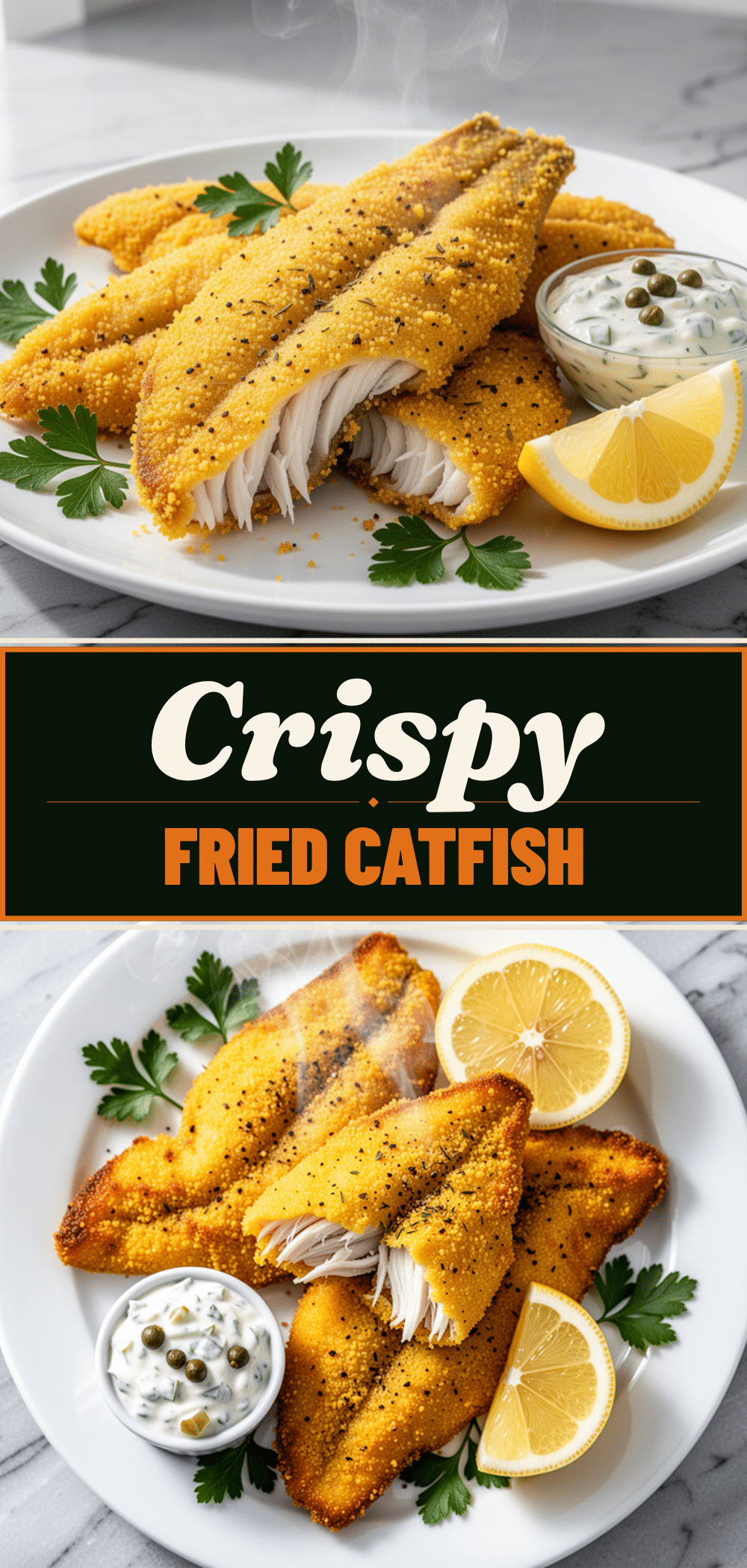
Crispy Buttermilk Fried Catfish: Best Easy Weeknight Dinner
- Total Time: 25 minutes
- Yield: 4 servings 1x
Description
A foolproof recipe for crispy buttermilk fried catfish with a cornmeal crust. This Southern-style dish offers restaurant-quality crunch and tender, flaky fish in under 30 minutes.
Ingredients
- 2 pounds catfish fillets
- 1 cup buttermilk
- 1 large egg
- 1 cup fine or medium yellow cornmeal
- ½ cup all-purpose flour
- 1 teaspoon salt
- ½ teaspoon black pepper
- 1 teaspoon paprika
- ½ teaspoon garlic powder
- ½ teaspoon onion powder
- ¼ teaspoon cayenne pepper (optional)
- ½ inch cooking oil (peanut, vegetable, canola, or sunflower)
- 1–2 lemons, sliced into wedges
Instructions
- Thaw frozen catfish if using, then pat fillets completely dry with paper towels to ensure coating adherence.
- In a shallow dish, whisk together cornmeal, flour, salt, pepper, paprika, garlic powder, onion powder, and cayenne.
- In a medium bowl, whisk buttermilk, egg, and a pinch of salt until smooth.
- Pour about ½ inch of oil into a large skillet or cast iron pan and heat over medium-high heat to 350°F-375°F.
- Dip a fillet into the buttermilk mixture, let excess drip off, then coat thoroughly in the cornmeal mixture, pressing gently to adhere.
- Place coated fillets on a clean plate while preparing the rest.
- Carefully lower fillets into the hot oil, frying 2-3 at a time to avoid crowding.
- Fry for 3-4 minutes per side until golden brown and the internal temperature reaches 145°F.
- Transfer fried fish to a wire rack set over a baking sheet to drain and keep crispy.
- Serve immediately with lemon wedges.
Notes
Ensure fish is patted very dry before coating to prevent soggy crust. Maintain oil temperature between 350°F-375°F for best results. Use a wire rack instead of paper towels to keep the bottom crust crispy. For extra crunch, try double-dipping in buttermilk and cornmeal.
- Prep Time: 15 minutes
- Cook Time: 10 minutes
- Category: Main Course
- Cuisine: Southern
Nutrition
- Serving Size: 1 fillet per serving
- Calories: 380
- Sodium: 450
- Fat: 18
- Saturated Fat: 3
- Carbohydrates: 18
- Protein: 35
Keywords: fried catfish, buttermilk catfish, cornmeal crust, southern seafood, weeknight dinner, crispy fish, easy fish recipe