It was 7:45 PM on a Tuesday, and I was staring into the fridge like it held the secrets to the universe. I was exhausted. The kind of exhausted where your brain feels like it’s wrapped in wet cotton. I had zero energy for chopping, zero patience for complex sauces, and absolutely zero desire to order $25 worth of takeout from the Thai place down the street. But I knew, with absolute certainty, that my husband and kids were going to be hungry within the hour, and they were going to be hangry.
That’s when I remembered a bag of frozen tilapia fillets hiding in the back of my freezer, behind some ice cream and a mystery Tupperware container. I also had a jar of Cajun seasoning, a stick of butter, and a couple of lemons that were starting to look a little sad. It was a gamble. Fish can be tricky. It can dry out, it can fall apart, or worst of all, it can taste fishy. I’ve had bad experiences with frozen fish before—dry, rubbery disasters that ended up in the trash faster than I could say “regret.”
But that night, I decided to try something different. Instead of baking it (which I felt was too boring) or pan-frying it in heavy oil (too messy), I decided to blacken it. I’d heard about this method for years but never tried it with tilapia. I dusted the fillets in my favorite Cajun spice blend, heated a skillet until it was screaming hot, and laid the fish in. The smell hit the kitchen instantly—smoky, spicy, aromatic. It wasn’t just cooking; it was like a little party started in the pan.
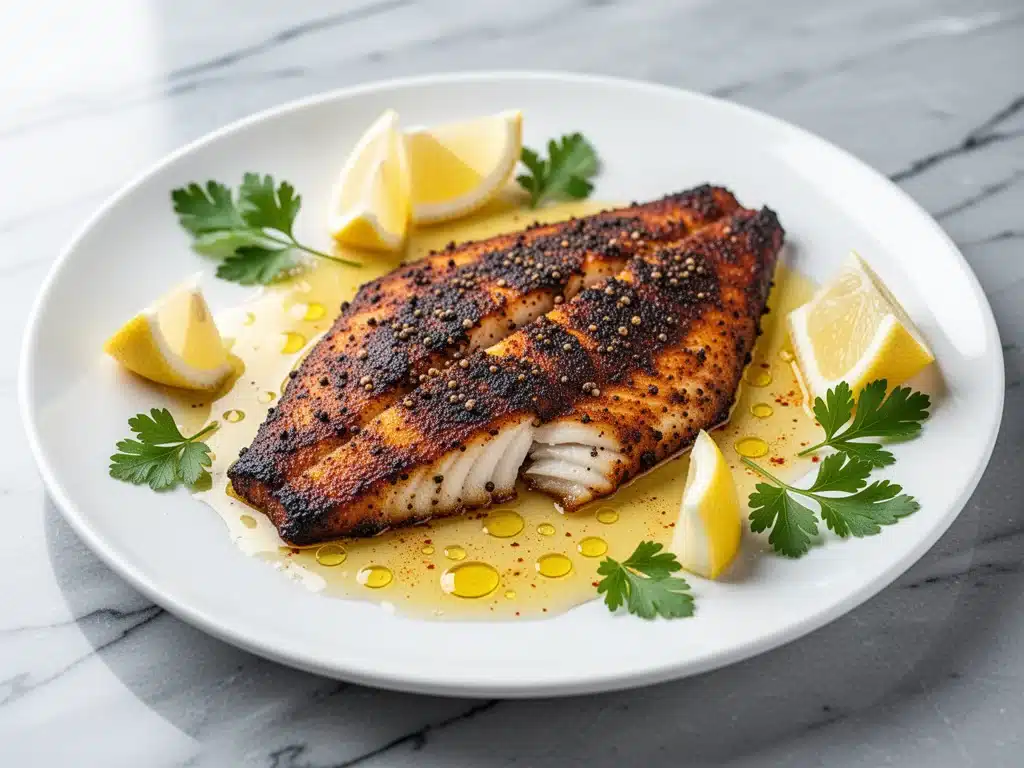
While the fish cooked in under ten minutes, I melted some butter with lemon juice and garlic in the same pan to catch all those flavorful browned bits. Pouring that bright, tangy lemon butter over the dark, spicy crust? Magic. Absolute magic. My husband took one bite, looked at me, and said, “We need to make this every week.” And honestly? He wasn’t wrong. This blackened Cajun tilapia with lemon butter became the answer to my “what’s for dinner” panic. It’s fast, it’s fancy-looking, and it tastes like you spent hours in the kitchen (even though you didn’t).
Why You’ll Love This Recipe
I’ve made this blackened tilapia recipe at least a dozen times since that chaotic Tuesday, and it has earned a permanent spot in our weekly rotation. There are plenty of fish recipes out there, but this one hits a sweet spot between flavor, speed, and ease. Here’s why it’s become my go-to for quick dinners:
- Incredibly Fast — Seriously, this is a 15-minute meal. From thawing the fish to plating, you’re done before your oven timer goes off. I’ve made this on nights when I walked in the door at 7:30 PM and had dinner on the table by 7:45 PM. It’s a lifesaver.
- Flavor Explosion — The blackening spice creates a crust that’s smoky and spicy, while the lemon butter adds a rich, tangy finish. It’s not just “plain fish.” It’s complex, bold, and satisfying. My kids, who usually pick at their dinner, ask for seconds of this.
- Healthy Without Being Boring — Tilapia is lean and high in protein, and this cooking method requires very little oil. You get all the flavor from the spices and butter without weighing yourself down with heavy breading or deep frying. It feels indulgent, but it’s actually pretty good for you.
- Pantry Friendly — You probably already have most of these ingredients. If you keep Cajun seasoning, butter, and lemons in your kitchen (and you should), you’re halfway there. It’s a great way to use up frozen fish that’s been sitting in the freezer.
- Easy Cleanup — Because you cook it in a skillet and make the sauce in the same pan, you’re only washing up one skillet (plus a plate for the fish). I love a recipe that doesn’t require a mountain of dishes. My dishwasher thanks me.
This recipe is perfect for busy weeknights, date nights at home, or when you just want something that tastes gourmet but requires zero effort. It’s reliable, delicious, and always a crowd-pleaser.
Ingredients You’ll Need
One of the best things about this blackened Cajun tilapia with lemon butter is how simple the ingredient list is. You don’t need anything fancy or hard to find. Here’s what you’ll need to make it, along with a few tips on what to look for.
For the Fish and Spice Rub
Tilapia fillets (1.5 to 2 pounds / 700-900g) — Look for fresh or frozen fillets. If you’re using frozen, make sure they’re fully thawed. Pat them dry! I buy wild-caught tilapia when possible, but farmed works fine too. Just make sure they’re firm and don’t smell overly strong.
Cajun seasoning (2 tablespoons) — This is the star of the show. I use a store-bought blend like Tony Chachere’s or Zatarain’s because it’s consistent and easy to find. But if you want to make your own, mix paprika, garlic powder, onion powder, cayenne, oregano, and thyme. The key is to get that smoky heat right.
Vegetable oil or olive oil (2 tablespoons) — You need a high-smoke-point oil for blackening. I use vegetable or canola oil because it handles the high heat without burning. Olive oil can work, but extra virgin might smoke too much. Regular olive oil is a good compromise.
Salt and black pepper (to taste) — Even with seasoned Cajun blend, a little extra salt and pepper helps bring out the natural flavor of the fish. Don’t skip this.
For the Lemon Butter Sauce
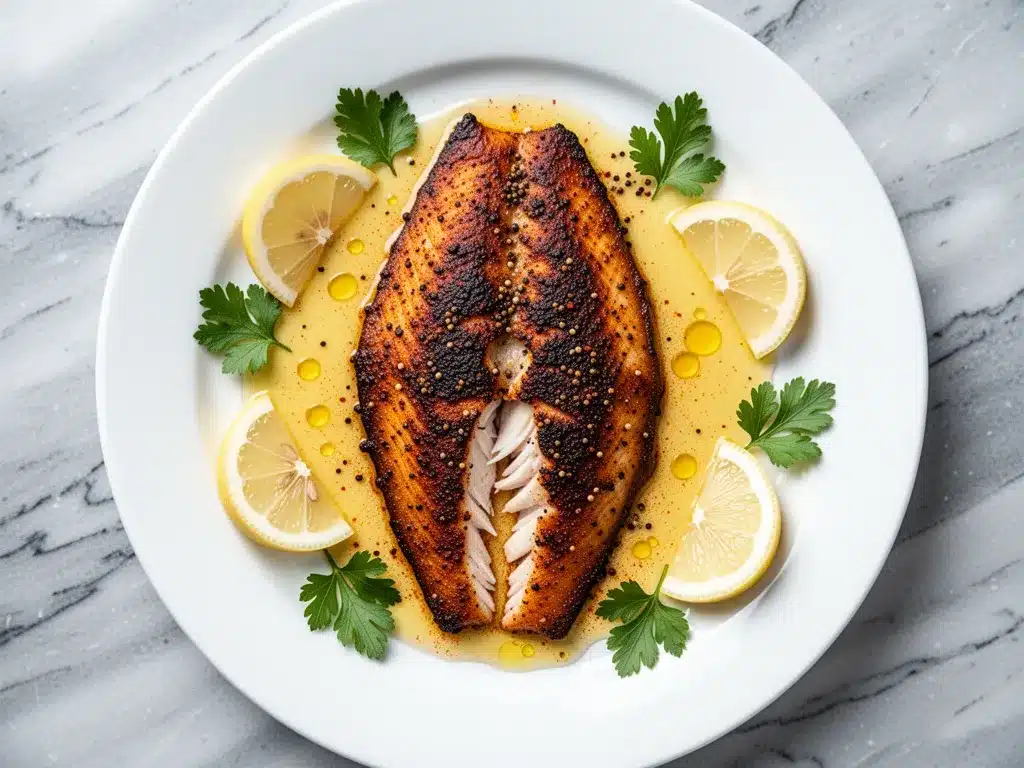
Unsalted butter (4 tablespoons / 60g) — Use good quality butter here. It makes a huge difference in the sauce. I prefer European-style butter for its richness, but regular salted butter works if you reduce the added salt elsewhere.
Fresh lemon juice (3 tablespoons / from 1-2 lemons) — Bottled lemon juice just doesn’t cut it. It tastes metallic and flat. Squeeze a fresh lemon. If you’re lazy, you can use a microplane to zest the lemon first, then juice it. The zest adds amazing aroma.
Garlic (2 cloves, minced) — Fresh garlic is non-negotiable. Jarred garlic has a different flavor profile that doesn’t work as well in a simple butter sauce. Mince it finely so it melts into the butter.
Red pepper flakes (½ teaspoon, optional) — If you like a little extra kick, add these. I usually skip them because the Cajun seasoning is already spicy, but it’s up to you.
Fresh parsley (2 tablespoons, chopped) — For color and a fresh, herbal finish. Dried parsley works in a pinch, but fresh is so much better. It makes the dish look restaurant-quality.
Lemon wedges — For serving. Everyone loves squeezing a little extra lemon over their fish. It brightens everything up.
Equipment Needed
You don’t need any fancy gadgets for this recipe. Just basic kitchen tools you probably already have.
Large skillet — I use a 12-inch cast iron skillet or stainless steel pan. Cast iron is great for holding heat, which helps with the blackening. Stainless steel works too, but you need to be careful not to burn the spices. Non-stick works, but you won’t get as good of a crust.
Tongs — Essential for flipping the fish without breaking it. Fish fillets are delicate, so tongs give you better control than a spatula.
Small bowl — For mixing the Cajun seasoning with salt and pepper.
Whisk — For whisking the lemon juice into the melted butter. A small whisk makes this easy.
Paper towels — Crucial for drying the fish. Moisture is the enemy of blackening. If the fish is wet, it steams instead of sears.
Measuring spoons — For the spices and butter. Consistency helps, so measure rather than guessing.
How to Make It: Step-by-Step
Alright, let’s get cooking! This process is straightforward, but there are a few key steps to get that perfect blackened crust and creamy sauce. I’ll walk you through it.
Step 1: Prep the Fish (5 minutes)
If your tilapia is frozen, make sure it’s completely thawed. You can run it under cold water for a few minutes or leave it in the fridge overnight. Once thawed, pat the fillets dry with paper towels. This is the most important step. You want the surface as dry as possible. If it’s wet, the spices won’t stick, and the fish will steam instead of blacken. Season both sides generously with salt and pepper.
Step 2: Mix the Spice Rub (2 minutes)
In a small bowl, mix your Cajun seasoning with a pinch of salt and black pepper. If your Cajun blend is already salty, you might not need extra salt, but a little pepper adds nice depth. Set this aside.
Step 3: Heat the Pan (3 minutes)
Place your large skillet over medium-high heat. Add the vegetable oil and let it heat up until it shimmers. You want the pan to be hot, but not smoking. If you see smoke, it’s too hot. Take it off the heat for a minute, then put it back. You want the oil to be around 375°F (190°C).
Step 4: Blacken the Fish (4-5 minutes per side)
Generously coat both sides of the tilapia fillets with the Cajun spice mix. Press the spices into the fish so they adhere. Carefully place the fillets in the hot skillet. Do not overcrowd the pan—cook in batches if necessary. Let the fish cook undisturbed for 4-5 minutes. You’ll see the spices darken and form a crust. Flip carefully with tongs and cook for another 4-5 minutes on the other side. The fish is done when it’s opaque and flakes easily with a fork. Don’t overcook it, or it’ll be dry.
Step 5: Make the Lemon Butter Sauce (2 minutes)
Remove the fish from the pan and set it aside on a plate. In the same skillet, reduce the heat to medium-low. Add the butter and let it melt. Add the minced garlic and red pepper flakes (if using). Cook for 30 seconds, stirring constantly, until fragrant. Be careful not to burn the garlic. Stir in the fresh lemon juice. Let it simmer for 1 minute to combine.
Step 6: Serve (1 minute)
Return the fish to the pan, spooning some of the lemon butter over the top. Or, plate the fish and drizzle the sauce over it. Garnish with fresh parsley and serve with lemon wedges. Enjoy immediately while it’s hot and crispy.
Expert Tips & Tricks
Here’s everything I’ve learned from making this blackened Cajun tilapia with lemon butter dozens of times. These tips will help you avoid common mistakes and get restaurant-quality results.
Dry Fish, Dry Crust
I can’t stress this enough. If your fish is wet, the spices will slide off, and you’ll get soggy fish. Pat it dry with paper towels, then pat it dry again. I even let it sit on a rack for 10 minutes to air dry before cooking. It makes a huge difference.
Don’t Flip Too Early
When you put the fish in the pan, resist the urge to move it. Let it cook for a full 4-5 minutes. If you try to flip it too soon, the crust will stick to the pan and tear. The fish will release from the pan when it’s ready. If it’s sticking, give it another minute.
Watch Your Heat
Blackening requires high heat, but you don’t want to burn the spices. If you see black smoke, your pan is too hot. Adjust accordingly. The spices should darken to a deep brown/black, not turn to ash. If they burn, they’ll taste bitter.
Make the Sauce in the Same Pan
Don’t wash your pan after cooking the fish. Those browned bits (fond) at the bottom are packed with flavor. Deglaze the pan with the butter and lemon juice to capture all that goodness. It’s the secret to a rich sauce.
Don’t Overcook the Fish
Tilapia is a lean fish, and it cooks fast. It’s done when it’s opaque and flakes easily. If it’s still translucent in the middle, cook it longer. But if it’s dry and tough, you’ve gone too far. Err on the side of slightly undercooked, as it will continue to cook slightly after you remove it from the pan.
Variations & Substitutions
Once you’ve mastered the basic version, here are some fun ways to mix it up. I’ve tried all of these, and they work great.
Spicy Version
Add extra cayenne pepper to the spice rub, or use a hotter Cajun blend. Serve with a spicy aioli for dipping. Perfect for heat lovers.
Herb-Crusted
Add dried thyme and oregano to the spice rub for a more herbal flavor profile. It’s subtle but nice.
Gluten-Free
This recipe is naturally gluten-free, as long as your Cajun seasoning doesn’t contain wheat (check the label). Most blends are safe, but always double-check.
Dairy-Free
Replace the butter with olive oil or ghee (if you’re okay with clarified butter). The sauce will be lighter, but still tasty.
Vegetable Add-ins
Sauté some bell peppers and onions in the pan before cooking the fish. Add them back in at the end for a complete meal.
Other Fish
You can use this method with other white fish like cod, haddock, or snapper. Just adjust cooking time slightly based on thickness.
Serving & Storage
This blackened Cajun tilapia with lemon butter is best served immediately. The crust is crispiest right after cooking.
Side Dishes
I love serving this with roasted asparagus, steamed broccoli, or a simple green salad. It also goes great with rice, quinoa, or crusty bread to soak up the lemon butter.
Leftovers
Store leftovers in an airtight container in the fridge for up to 2 days. The fish will lose some of its crispiness, but it’s still good reheated gently in the oven or a skillet. Avoid the microwave, as it can make the fish rubbery.
Freezing
I don’t recommend freezing cooked tilapia. It tends to get dry and mushy when thawed. It’s best to freeze the raw fillets and cook them fresh.
Nutrition Information
I’m not a nutritionist, but here’s a rough breakdown if you’re tracking. This is per serving (based on 4 servings).
- Calories: 280
- Protein: 30g
- Carbs: 3g
- Fiber: 1g
- Sugar: 1g
- Fat: 16g
- Saturated Fat: 8g
- Cholesterol: 90mg
- Sodium: 650mg
This dish is high in protein and low in carbs, making it great for low-carb or keto diets. The lemon butter adds some fat, but it’s mostly from butter, which is fine in moderation. If you want to lighten it up, use less butter or swap it for olive oil.
Final Thoughts
So, that’s my blackened Cajun tilapia with lemon butter! It’s become my secret weapon for busy weeknights. It’s fast, flavorful, and feels fancy without any of the fuss. I hope you try it and love it as much as we do. Make it yours by adjusting the spice level or adding your favorite sides. And if you make it, let me know how it turns out! I love hearing from readers. Happy cooking!
Frequently Asked Questions
Can I use fresh tilapia instead of frozen?
Absolutely! Fresh tilapia works perfectly. Just make sure it’s dry before seasoning. Frozen is convenient, but fresh has a slightly better texture. Either way, the result is delicious.
Why did my spices burn in the pan?
The pan was likely too hot. Blackening requires high heat, but if the oil is smoking, it’s too hot. Lower the heat slightly or let the pan cool for a minute before adding the fish. Also, make sure you’re not using a spice blend with a lot of sugar, which burns easily.
Can I make the lemon butter sauce ahead of time?
You can, but it’s best made fresh. The sauce will separate if you refrigerate and reheat it. If you must make it ahead, store it in the fridge and gently reheat it on the stove, whisking constantly to emulsify it again.
Is tilapia a healthy fish?
Yes, tilapia is a lean, low-calorie fish that’s high in protein. It’s a great source of nutrients like selenium and B vitamins. While it’s not as rich in omega-3s as salmon, it’s still a healthy choice, especially when prepared with minimal oil.
What if I don’t have Cajun seasoning?
You can make your own blend! Mix paprika, garlic powder, onion powder, cayenne pepper, dried thyme, dried oregano, and black pepper. Start with 1 tablespoon paprika, 1 teaspoon each of garlic and onion powder, ½ teaspoon cayenne, and ½ teaspoon each of thyme and oregano. Adjust to taste.
Can I cook this in the oven?
You can, but you won’t get the same blackened crust. For oven cooking, season the fish, place it on a baking sheet, and bake at 400°F (200°C) for 10-12 minutes. It’s easier but less flavorful. The skillet method is definitely superior for texture.
Pin This Recipe!
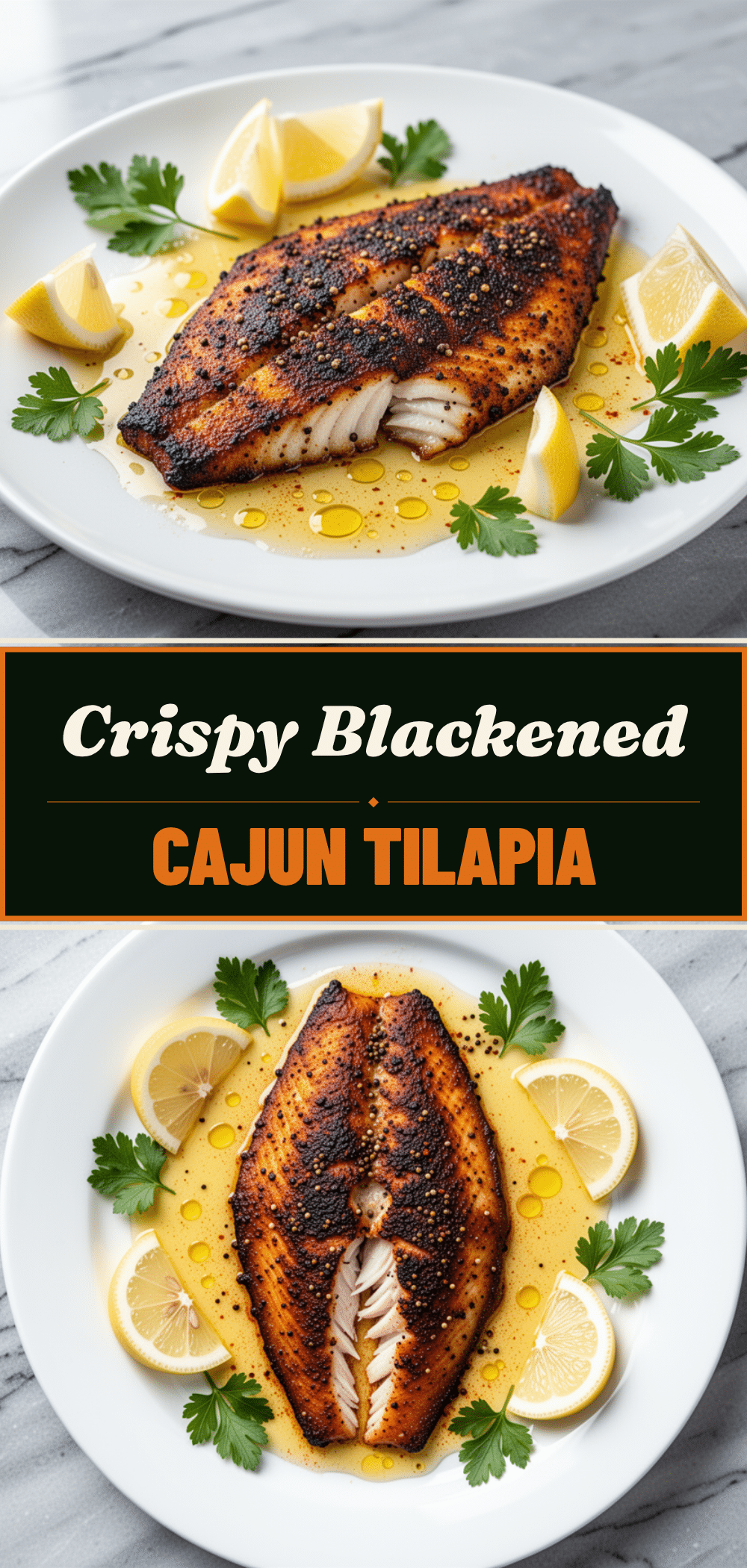
Blackened Cajun Tilapia: Best Easy Lemon Butter Recipe
- Total Time: 15 minutes
- Yield: 4 servings 1x
Description
A quick and flavorful 15-minute dinner featuring blackened tilapia fillets with a smoky Cajun crust, finished with a rich, tangy lemon butter sauce.
Ingredients
- 1.5 to 2 pounds tilapia fillets (fresh or frozen, thawed)
- 2 tablespoons Cajun seasoning
- 2 tablespoons vegetable oil or olive oil
- Salt and black pepper (to taste)
- 4 tablespoons unsalted butter
- 3 tablespoons fresh lemon juice
- 2 cloves garlic, minced
- 1/2 teaspoon red pepper flakes (optional)
- 2 tablespoons fresh parsley, chopped
- Lemon wedges (for serving)
Instructions
- Thaw frozen tilapia if necessary and pat fillets completely dry with paper towels. Season both sides generously with salt and pepper.
- In a small bowl, mix Cajun seasoning with a pinch of salt and black pepper.
- Heat a large skillet (cast iron or stainless steel) over medium-high heat with vegetable oil until it shimmers (around 375°F).
- Coat tilapia fillets generously with the spice rub, pressing spices into the fish. Place fillets in the hot skillet without overcrowding.
- Cook undisturbed for 4-5 minutes until spices darken and form a crust. Flip carefully and cook for another 4-5 minutes until fish is opaque and flakes easily.
- Remove fish from pan and set aside on a plate.
- Reduce heat to medium-low. Add butter to the same skillet and melt. Add minced garlic and red pepper flakes, cooking for 30 seconds until fragrant.
- Stir in fresh lemon juice and simmer for 1 minute.
- Return fish to the pan to spoon sauce over it, or plate fish and drizzle with sauce. Garnish with parsley and serve with lemon wedges.
Notes
Ensure fish is completely dry before seasoning to prevent steaming and ensure the spice crust adheres properly. Do not flip the fish too early to avoid breaking the crust. The pan should be hot but not smoking to prevent burning the spices. This recipe is naturally gluten-free if using a certified gluten-free Cajun blend.
- Prep Time: 5 minutes
- Cook Time: 10 minutes
- Category: Main Course
- Cuisine: Cajun
Nutrition
- Serving Size: 1 fillet with sauce
- Calories: 280
- Sugar: 1
- Sodium: 650
- Fat: 16
- Saturated Fat: 8
- Carbohydrates: 3
- Fiber: 1
- Protein: 30
Keywords: blackened tilapia, cajun fish, lemon butter fish, quick dinner, healthy seafood, tilapia recipe, easy weeknight meals