Last Tuesday, I came home from work with exactly $12 in my checking account and a grocery bag that felt suspiciously light. I didn’t want to order takeout (bankruptcy awaits), and I definitely didn’t want to make another sad bowl of instant noodles. I needed something warm, something that smelled like a bakery, and something that wouldn’t require me to run to the store for five specific ingredients I didn’t already have.
That’s when I looked at my sourdough starter. It was bubbling away in a jar on the counter, looking judgmental. I realized I had flour, water, salt, olive oil, and… well, that was basically it. And somehow, that was all I needed.
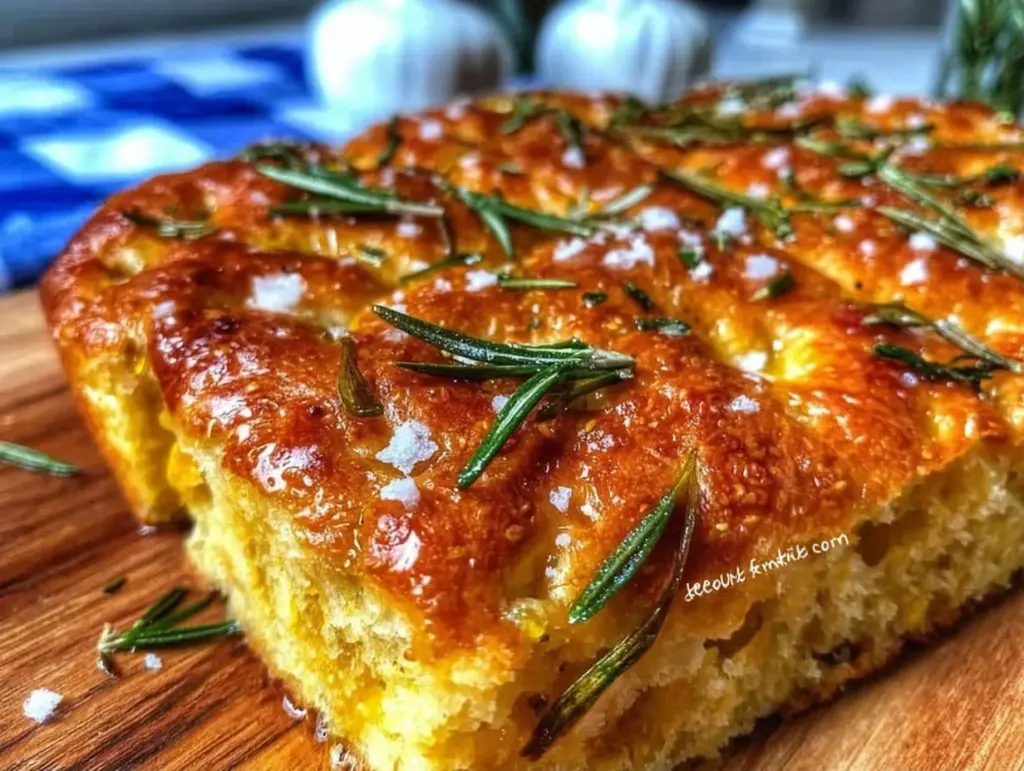
I made this beginner friendly sourdough focaccia that night. It cost me about $0.85 per loaf. It took zero active effort while I was watching TV. And when I tore into that golden, dimpled crust an hour later, dipping the soft, airy interior into my dinner, I felt like I’d hacked the system. No expensive artisanal yeast. No complicated proofing schedules. No stress.
This isn’t some fancy restaurant bread. It’s real, honest, budget-friendly dinner fuel. It’s the kind of bread that makes you feel like a culinary genius even when you’re eating it straight out of the pan with your hands at 9 PM on a random Wednesday.
Why This Budget-Friendly Sourdough Focaccia Will Change Your Weeknights
Look, I get it. Baking bread feels like a lot of work. Or it feels like it requires ingredients you have to drive to three different specialty stores to find. But this sourdough focaccia? It’s different. It’s forgiving. It’s cheap. And it’s perfect for anyone who is tired of spending too much on bread that goes stale in two days.
Here’s why I keep making this, especially when my wallet is tight:
- Pennies Per Loaf — Seriously. Flour, water, salt, oil, and your starter. That’s it. You’re spending less on ingredients for this loaf than you would on a single slice of store-bought artisanal bread. I’ve calculated it. It’s roughly 85 cents per loaf if you buy store-brand flour and oil.
- Zero Active Effort — You mix it. You dimple it. You wait. The fermentation does the work. I can make this while folding laundry or scrolling through my phone. It’s the perfect “hands-off” dinner component.
- Starter is Free — If you have a sourdough starter, you already have your “yeast.” No $4 packet of yeast to buy. No trip to the bakery. Just feed your starter and go.
- Leftovers Are Better — Focaccia tastes amazing the next day, toasted or cold. I often make one loaf for dinner and use the rest for sandwiches or dipping into soups later in the week. It stretches your grocery budget further because it’s versatile.
- Impressive But Simple — When I bring this to a friend’s house, they ask what kind of fancy flour I used. When I tell them it’s just flour, water, and salt, they don’t believe me. It’s a great confidence booster for beginner bakers.
This is my go-to when I need dinner to just work. No complicated techniques, no weird ingredients, just reliable, delicious food that makes everyone happy.
Ingredients You’ll Need (The Cheap Stuff)
Here’s the best part: you probably have most of this already. I’m particular about three ingredients here, and I’ll tell you exactly why.
For the Dough
Active sourdough starter (1 cup / 240g) — This needs to be bubbly and active. Feed it 4-6 hours before you plan to bake. If it’s sluggish, your bread will be dense. I use my regular weekly feed. If you don’t have a starter, this isn’t the recipe for you right now (but check out my fall cranberry pecan sourdough focaccia for inspiration on how to use it up!).
All-purpose flour (3 cups / 375g) — Don’t go buying expensive bread flour. AP flour works perfectly for focaccia. It gives a nice chew without being tough. I buy the 5lb bag from the discount aisle. It’s cheaper and lasts forever.
Warm water (1 ½ cups / 360ml) — Room temp or slightly warm is fine. You’re not killing yeast here; you’re just hydrating the dough. Tap water is fine.
Kosher salt (2 teaspoons / 12g) — I use kosher because it’s easier to sprinkle evenly. Table salt works but is saltier by volume, so be careful. I usually buy the big tub.
For the Topping (The Flavor)
Extra virgin olive oil (¼ cup / 60ml + extra for drizzling) — Yes, you need a good amount. This is what makes focaccia focaccia. Don’t skimp. I buy the large plastic jugs of EVOO for cooking—it’s cheap and works great here. Save the fancy stuff for salads.
Coarse sea salt or flaky salt (for sprinkling) — This is optional but recommended. It adds that nice crunch. I use whatever salt is on hand.
Optional Add-ins — Rosemary? Cheap if you have a plant. Cherry tomatoes? Buy them when they’re on sale. Garlic? Keep a clove in the fridge. These are just extras. The base is perfect on its own.
Equipment Needed
You don’t need fancy equipment for this. Here’s what I actually use.
9×13 inch baking pan — I use a metal one. Dark pans can burn the bottom, so I usually line it with parchment paper. Parchment paper is cheap and makes cleanup a breeze. I hate washing pans.
Large mixing bowl — Any bowl works. I use a big plastic one because it’s lightweight and easy to clean.
Plastic wrap or damp towel — To cover the dough while it rises. I use plastic wrap because I forget towels and they get moldy.
Measuring cups and spoons — Standard stuff. Dollar store versions work fine.
Offset spatula or fingers — For dimpling the dough. I use my fingers because it’s more fun and I don’t want to wash another utensil.
How to Make It: Step-by-Step
Alright, let’s make this! I’m walking you through exactly how I do it, including the little tricks I’ve picked up.
Step 1: Feed Your Starter (4-6 hours before)
Make sure your sourdough starter is active and bubbly. Feed it equal parts flour and water by weight. If you have 50g of starter, add 50g flour and 50g water. Let it sit at room temperature until it doubles in size and passes the float test (drop a spoonful in water—if it floats, it’s ready).
Step 2: Mix the Dough (10 minutes)
In your large bowl, combine the 3 cups of flour and 2 teaspoons of salt. Mix well. Add the 1 cup of active starter and 1 ½ cups of warm water. Stir with a wooden spoon or your hands until no dry flour remains. The dough will be sticky and shaggy. Don’t panic. That’s good. It means it’s hydrated.
Cover the bowl with plastic wrap or a damp towel. Let it rest at room temperature for 30 minutes. This is called an “autolyse” and it helps the gluten develop without kneading.
Step 3: Fold and Wait (30 minutes)
After 30 minutes, wet your hands and gently fold the dough over itself from all four sides. This strengthens the gluten. Cover again and let it rest for another 30 minutes. Do this one more time (total two folds). The dough should start to look smoother and more elastic.
Step 4: The Long Rise (Overnight or 8-12 hours)
Here’s the money-saving trick: let it rise in the fridge overnight. Cover the bowl tightly and put it in the fridge for 8-12 hours. The cold slow fermentation develops incredible flavor and makes the dough easier to handle. Plus, you can bake it in the morning or whenever you’re free.
If you’re in a hurry, you can let it rise at room temperature for 4-6 hours until doubled. But the fridge method is better for flavor and schedule flexibility.
Step 5: Prep the Pan (10 minutes)
Take the dough out of the fridge 1 hour before baking. Preheat your oven to 425°F (220°C). Generously oil your 9×13 inch pan with olive oil. Line it with parchment paper for easy removal. Pour the olive oil over the parchment.
Step 6: Stretch the Dough (15 minutes)
Turn the dough out into the pan. It will be cold and stiff. Gently stretch it towards the corners. It might resist. Let it rest for 5 minutes, then try again. Keep stretching until it fills the pan. Don’t worry if it’s not perfect. Focaccia is rustic.
Let it sit in the oiled pan for 30-60 minutes to proof. It should look puffy and jiggly.
Step 7: Dimple and Bake (25-30 minutes)
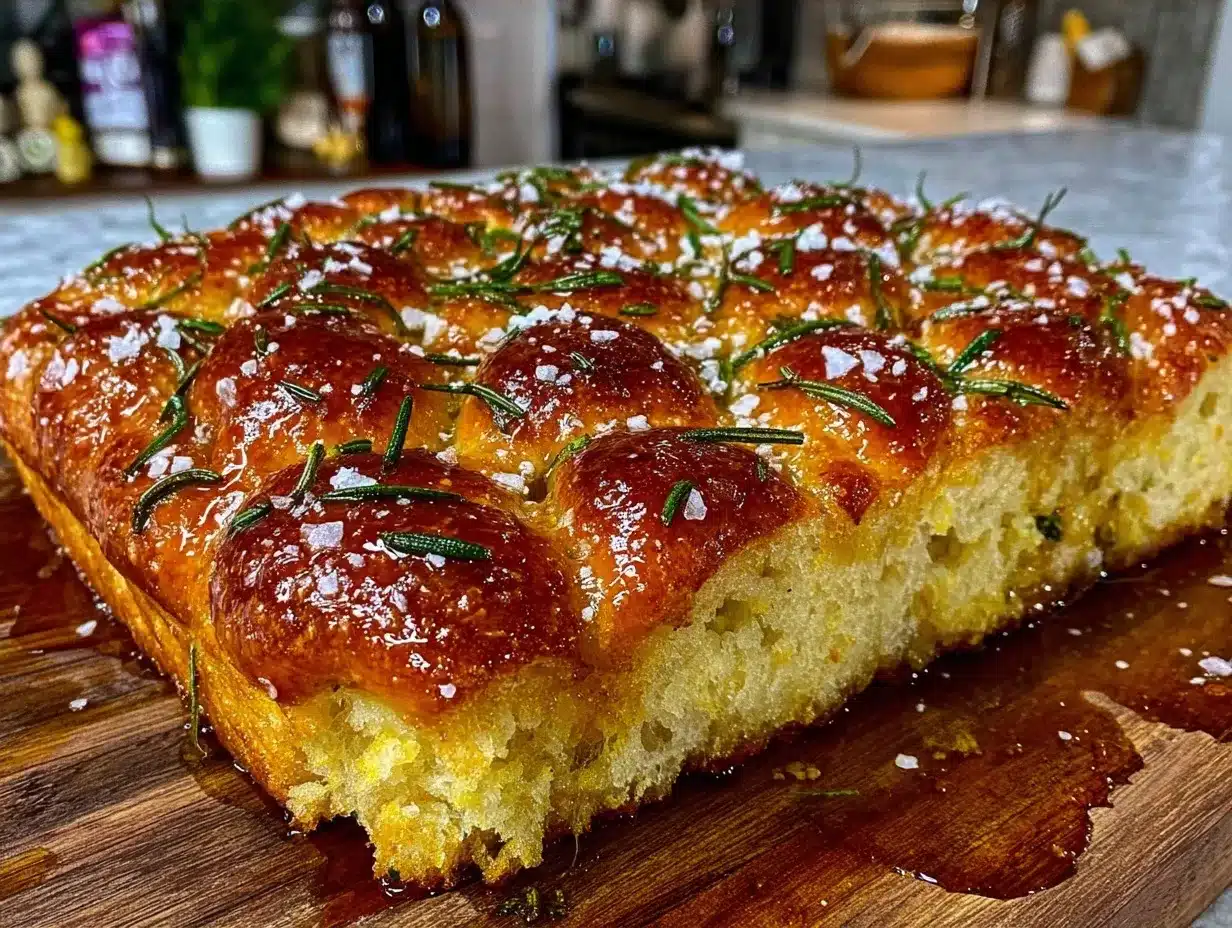
Preheat your oven. Drizzle the top with more olive oil. Use your oiled fingers to press dimples into the dough. Go deep! This is the signature look. Sprinkle with coarse salt and any optional toppings (rosemary, tomatoes, etc.).
Bake for 25-30 minutes until golden brown. The bottom should be crisp and the top deeply golden. If it’s browning too fast, cover with foil for the last 10 minutes.
Step 8: Cool and Eat
Let it cool in the pan for 10 minutes, then lift it out using the parchment paper. Tear into it while it’s still warm. Dip in olive oil. Enjoy.
Expert Tips & Tricks
Here’s everything I’ve learned from making this dozens of times. These tips will save you from my mistakes.
- Starter is Key — If your starter isn’t active, your bread won’t rise. Test it with the float test. If it sinks, feed it again and wait.
- Don’t Skip the Rest — When stretching the dough, if it springs back, let it rest for 5 minutes. The gluten needs to relax. Forcing it will tear the dough.
- Oil is Your Friend — Don’t be shy with the olive oil. It keeps the crust crisp and the interior soft. I use about ½ cup total for the pan and topping.
- Fridge is Flexible — You can leave the dough in the fridge for up to 24 hours. If it’s rising too fast, put it back in the cold. If it’s too slow, leave it out for an hour.
- Cool Before Slicing — I know it’s hard to wait, but slicing hot focaccia can make it gummy. Let it cool for 10 minutes. The structure sets.
Variations & Substitutions
Once you’ve nailed the basic version, here’s how you can mix it up. I’ve tried all of these.
Simple Add-Ins
Rosemary and Garlic — Sprinkle chopped fresh rosemary and minced garlic before baking. Classic and cheap if you grow your own herbs.
Tomato and Olive — Halved cherry tomatoes and sliced black olives. Add them after dimpling so they don’t burn.
Onion and Caramelized — Thinly sliced onions sautéed until soft. Add them after dimpling.
Dietary Modifications
Gluten-Free — Use a 1:1 gluten-free flour blend. The texture will be different, but it still works. I’ve used Bob’s Red Mill.
Oil-Free — You can skip the oil, but it won’t be focaccia. It’ll be more like a flatbread. I don’t recommend it for the authentic experience.
Serving & Storage
I usually serve this straight from the pan at the dinner table—it looks rustic and stays warm. But here are other ways I’ve enjoyed it:
Side Dishes
- Simple Green Salad — A light vinaigrette cuts through the richness of the bread.
- Hearty Soup — Dip it into roasted red pepper soup for a complete budget meal.
- Cheese and Charcuterie — A few slices of cheap cheddar and some crackers make a nice snack.
Storage Instructions
Refrigerator: Store in an airtight container for up to 3 days. It will firm up in the fridge.
Reheating: Best method: Toast it in a toaster or oven at 350°F for 5 minutes. It will be crisp again. Microwave works but makes it chewy.
Freezing: Slice it, freeze on a tray, then bag it. Toast from frozen. It reheats beautifully.
Nutrition Information
I’m not a nutritionist, but here’s the breakdown if you’re tracking.
Per Serving (based on 12 servings):
| Calories | 180 |
| Protein | 4g |
| Carbs | 28g |
| Fat | 6g |
| Fiber | 1g |
Look, this is bread. It’s carbs. It’s fuel. It’s not a diet recipe. But it’s way better than store-bought, costs less, and I know exactly what’s in it. When I want to make it lighter, I eat a smaller portion and load up on vegetables. But usually? I just enjoy it.
Final Thoughts
So that’s my go-to beginner friendly sourdough focaccia! I’ve probably talked your ear off at this point, but when you make a recipe this often, you have a lot to say about it.
This has saved weeknight dinners more times than I can count. It’s my answer to “what’s for dinner” when I’m tired, don’t want takeout, and still want something that tastes really good. My wallet’s happy, my stomach’s happy, and I’m happy because I’m not stressed about cooking.
Make it yours! Try different add-ins, swap in your favorite vegetables, adjust the garlic (though more is always better in my opinion). The best recipes are the ones you adapt to your family’s tastes.
If you make this, drop a comment and let me know what you think! I love hearing how recipes turn out in your kitchen. And if something doesn’t work, tell me that too—I’m here to help troubleshoot.
Happy cooking! And I hope your kitchen smells half as good as mine does right now.
Frequently Asked Questions
Can I use store-bought yeast instead of sourdough starter?
You can, but the flavor won’t be the same. Sourdough gives it that tangy, complex taste. If you use yeast, use 1 packet (2 ¼ tsp) and let it rise at room temperature for 2-4 hours. It’ll be fine, just not “sourdough.”
My focaccia didn’t rise—what happened?
Usually means your starter wasn’t active enough. Make sure it’s bubbly and doubles in size before using. Also, check your oven temperature. If it’s too low, the bread won’t get the “oven spring” it needs.
Can I make this ahead for a dinner party?
Absolutely. Make the dough the night before, let it rise in the fridge. In the morning, stretch it, dimple it, and bake it. It’ll be ready in time for lunch or early dinner. I do this all the time.
Why did my focaccia turn out dense?
Overworking the dough or not letting it rise enough. Focaccia should be handled gently. Don’t knead it like bread dough. Let it rise until it’s jiggly and puffy before baking.
Can I freeze the dough?
Yes, but it’s easier to freeze the baked bread. If you freeze the dough, let it thaw in the fridge overnight, then bring to room temperature and bake. It might not rise as well as fresh.
How do I store leftovers?
Store in an airtight container at room temperature for up to 2 days. For longer storage, freeze slices. Toast them for best results.
Is this recipe suitable for beginners?
Yes! It’s one of the easiest breads to make. No kneading, no complex techniques. Just mix, rise, dimple, bake. If you can follow these steps, you can make this bread.
Pin This Recipe!


Beginner Friendly Sourdough Focaccia: Cheap Budget-Friendly Dinner
- Total Time: 13 hours 40 minutes
- Yield: 12 servings 1x
Description
A forgiving, budget-friendly sourdough focaccia made with just flour, water, salt, oil, and starter. This recipe requires zero active effort and yields a golden, dimpled loaf perfect for weeknight dinners.
Ingredients
- 1 cup (240g) active sourdough starter
- 3 cups (375g) all-purpose flour
- 1 ½ cups (360ml) warm water
- 2 teaspoons (12g) kosher salt
- ¼ cup (60ml) extra virgin olive oil (plus extra for drizzling)
- Coarse sea salt or flaky salt (for sprinkling)
- Optional add-ins: rosemary, cherry tomatoes, garlic, onions
Instructions
- Feed sourdough starter 4-6 hours before baking until it doubles in size and passes the float test.
- In a large bowl, combine flour and salt. Add starter and warm water, stirring until no dry flour remains.
- Cover and let rest for 30 minutes (autolyse).
- Wet hands and fold dough over itself from all four sides. Cover and rest for 30 minutes. Repeat folding once more.
- Cover tightly and refrigerate for 8-12 hours (overnight) for slow fermentation, or let rise at room temperature for 4-6 hours.
- Preheat oven to 425°F (220°C). Generously oil a 9×13 inch baking pan and line with parchment paper.
- Turn dough into the pan and gently stretch to fill corners. Let rest 5 minutes if it resists, then continue stretching.
- Let dough proof in the oiled pan for 30-60 minutes until puffy and jiggly.
- Drizzle with olive oil and press deep dimples into the dough with oiled fingers. Sprinkle with coarse salt and optional toppings.
- Bake for 25-30 minutes until golden brown and crisp. Cover with foil if browning too quickly.
- Cool in pan for 10 minutes before lifting out and serving.
Notes
The dough can be refrigerated for up to 24 hours. If using store-bought yeast instead of starter, use 1 packet (2 ¼ tsp) and rise at room temperature for 2-4 hours. Do not skip the resting periods when stretching dough to allow gluten to relax. Cool completely before slicing to prevent gumminess.
- Prep Time: 1 hour 10 minutes
- Cook Time: 30 minutes
- Category: Side Dish
- Cuisine: Italian
Nutrition
- Serving Size: 1 slice
- Calories: 180
- Sodium: 300
- Fat: 6
- Saturated Fat: 1
- Carbohydrates: 28
- Fiber: 1
- Protein: 4
Keywords: sourdough focaccia, budget friendly dinner, beginner bread recipe, cheap dinner, sourdough starter recipe, easy focaccia, overnight dough