There is a specific kind of panic that sets in at 5:30 PM when you realize you forgot to defrost the chicken for dinner. I know that panic well. It’s the same panic that hit me last Tuesday when I was staring into an empty fridge, wondering how I was going to feed four hungry people something that wasn’t cereal or cold leftovers. My kids were already arguing over who got the last slice of bread, and my husband was asking, “Is pizza night still on?”
I didn’t have pizza dough. I didn’t have time to order delivery. But I did have two chicken breasts, a lemon, some butter, and a jar of capers that had been hiding in the back of my pantry since my last attempt at making risotto three years ago. I threw them together on a whim, thinking it would be a quick, simple fix. What I made instead was the best thing I’ve cooked all year.
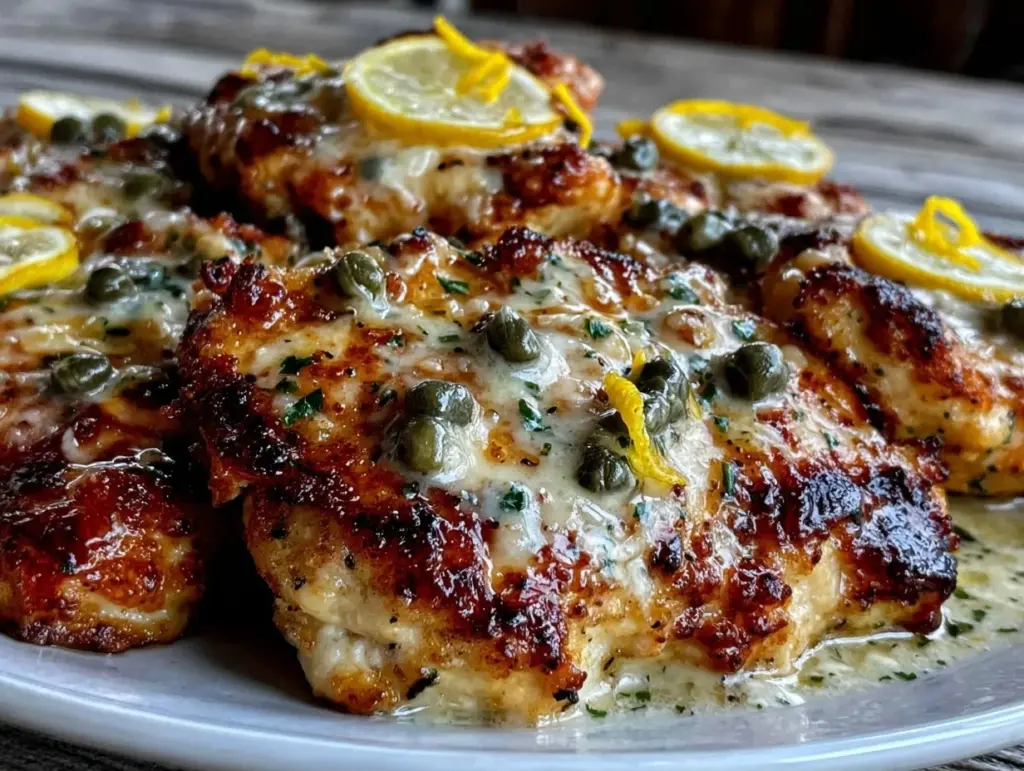
This creamy lemon butter chicken piccata is not the stiff, restaurant-only dish people think it is. The traditional version is sharp and acidic—lemon juice and white wine reduction. But for a family dinner? It needs to be softer. It needs to be comforting. So I added heavy cream and a little extra butter to round out the edges, turning a zesty appetizer into a hearty, sauce-laden main course that my kids actually devour without complaining.
I’ve made this recipe at least seven times in the last month. Sometimes I serve it over pasta, sometimes over mashed potatoes, and once over those brown butter sage gnocchi I made for a quick weeknight treat. Every time, the result is the same: empty plates, satisfied sighs, and a sauce so good you’ll want to drink it with a spoon. If you’re tired of bland chicken dinners and want something that feels fancy but costs pennies compared to takeout, you need to try this.
Why You’ll Love This Recipe
Look, I’m not a chef. I’m a parent who needs dinner on the table before the clock strikes 7 PM. This creamy lemon butter chicken piccata works because it hits all the right notes for a real family: it’s fast, it’s forgiving, and it uses ingredients I already have.
- Stupid Simple Technique — You’re not juggling five pans. You dredge the chicken, sear it, make the sauce in the same pan, and toss it back in. One pan means less cleanup, which is my love language.
- Pantry Staples — You probably have the capers, lemon, and flour sitting in your kitchen right now. The only thing you need to buy is chicken and maybe heavy cream if you’re out. This is the definition of budget-friendly cooking.
- Kid-Approved Flavor — Traditional piccata is very sour. The cream mellows it out just enough that even my picky eater (who usually refuses anything with “lemon” in the name) asks for seconds. It’s tangy but rich.
- Super Affordable — Chicken breasts are one of the cheapest proteins you can buy, especially when you buy them on sale. This recipe stretches two breasts into four generous servings with that luxurious sauce. It’s cheaper than a single meal at a chain restaurant.
- Leftovers That Actually Taste Good — Most chicken dishes dry out in the fridge. Not this one. The sauce keeps the meat moist for days. I deliberately make extra for lunch because it reheats beautifully.
This is my go-to when I need dinner to just work. No complicated techniques, no weird ingredients, just reliable, delicious food that makes everyone happy.
Ingredients You’ll Need
Here’s the best part: you probably have most of this already. I’m particular about a few things here, but mostly, this is a pantry-friendly recipe that doesn’t require a trip to three different specialty stores.
For the Chicken
Chicken breasts (2 large, about 1.5 lbs / 680g) — I buy the boneless, skinless ones. They cook faster and are easier to dredge. If they’re super thick, pound them thin. This ensures even cooking so you don’t end up with dry chicken.
All-purpose flour (½ cup / 60g) — Just for dredging. It creates that golden crust and helps thicken the sauce later. You can use gluten-free flour if needed, but regular works best for the browning.
Salt and black pepper — Season the flour mixture, not just the chicken. It builds flavor from the inside out.
Olive oil (2 tablespoons) — I use regular olive oil for cooking here because I don’t want to waste my good extra virgin on high heat. It has a higher smoke point.
Butter (3 tablespoons total) — I use unsalted butter so I can control the salt. One tablespoon for searing, two tablespoons for the sauce. This is where the richness comes from.
For the Sauce
Chicken broth (1 cup / 240ml) — Low-sodium is key here because capers and Parmesan are salty. I keep Swanson or Kitchen Basic in the pantry at all times.
Heavy cream (½ cup / 120ml) — This is what makes it “creamy” piccata instead of traditional. It softens the lemon bite. If you want to lighten it up, half-and-half works, but it won’t be as luxurious.
Lemon juice (½ cup / 120ml, about 2-3 lemons) — Fresh is non-negotiable. Bottled lemon juice tastes metallic and flat. Squeeze it yourself. It’s worth the five minutes.
White wine (¼ cup / 60ml) — Dry wine like Pinot Grigio or Sauvignon Blanc. You don’t need expensive wine. Just something you’d drink. If you don’t drink alcohol, sub with extra broth and a teaspoon of vinegar.
Capers (3 tablespoons, drained) — These are the briny stars. They add that punchy, salty crunch. Drain them well so they don’t water down your sauce. If you hate capers, you can skip them, but I think they’re essential for the authentic piccata flavor.
Parsley (2 tablespoons, fresh, chopped) — For color and freshness. Dried parsley doesn’t have the same pop.
Parmesan cheese (¼ cup / 25g, grated) — Optional, but I add it for extra umami and thickness. It melts into the sauce and makes it feel like a cheat meal.
For Serving
Pasta or Mashed Potatoes — You need something to catch that sauce. I usually keep chicken and dumplings in mind for comfort, but for this, spaghetti or penne is perfect. Or, if you’re doing low-carb, serve it over cauliflower mash.
Equipment Needed
You don’t need fancy equipment for this. Here’s what I actually use.
Large skillet (12-inch) — I prefer stainless steel or cast iron because they hold heat well and give a better sear. Non-stick works too, but you won’t get that same golden crust. I use my big skillet for almost everything.
Tongs — Essential for flipping the chicken without poking it. Poking lets the juices out, and we want them in.
Meat mallet or rolling pin — Not strictly necessary, but it helps if your chicken breasts are unevenly thick. I use a rolling pin when I’m in a hurry.
Zester or grater — For the lemon zest. I love the aromatic oil from the zest. It adds brightness that juice alone can’t do.
Whisk — For combining the cream and broth smoothly.
How to Make It: Step-by-Step
Alright, let’s make this! I’m walking you through exactly how I do it, including the little tricks I’ve picked up so your chicken comes out juicy, not dry.
Step 1: Prep the Chicken (5 minutes)
Place the chicken breasts between two sheets of plastic wrap or in a zip-top bag. Use a meat mallet or rolling pin to pound them until they’re about ½-inch thick. This is crucial. Thin chicken cooks faster and stays tender. Season both sides with salt and pepper.
Why this matters: Uneven chicken leads to uneven cooking. You’ll burn the thin parts before the thick parts are done. Pounding them makes them uniform.
Step 2: Dredge in Flour (2 minutes)
Spread the flour on a plate. Dredge each chicken breast in the flour, shaking off any excess. You want a light coating, not a thick batter. It should look like it’s just dusted.
Tip: Don’t skip this. The flour helps create a crust and thickens the sauce later. It’s also what gives that restaurant-style texture.
Step 3: Sear the Chicken (6-8 minutes)
Heat the olive oil and 1 tablespoon of butter in your large skillet over medium-high heat. Once the butter foams, add the chicken. Don’t crowd the pan! Cook for 3-4 minutes per side until golden brown and cooked through (internal temp of 165°F / 74°C). Remove the chicken to a plate and tent with foil.
Sensory cue: You’ll hear a nice sizzle. The edges should be golden, not burnt. If the pan looks dry, add a tiny splash of oil.
Step 4: Make the Sauce (5 minutes)
Reduce heat to medium. Add the remaining 2 tablespoons of butter to the same pan. Let it melt and bubble. Add the minced garlic (if using) and cook for 30 seconds until fragrant. Pour in the white wine and lemon juice. Scrape up all those brown bits from the bottom of the pan with a wooden spoon. Those bits are flavor gold.
Why this matters: Deglazing the pan releases the fond (the browned bits), which adds depth to the sauce. Don’t skip scraping!
Step 5: Add Cream and Simmer (3 minutes)
Stir in the chicken broth and heavy cream. Let it simmer for 2-3 minutes until the sauce thickens slightly. It should coat the back of a spoon. Stir in the capers and Parmesan cheese.
Tip: If the sauce gets too thick, add a splash more broth. If it’s too thin, let it simmer a minute longer.
Step 6: Finish and Serve (2 minutes)
Return the chicken (and any juices on the plate) to the pan. Spoon the sauce over the top. Sprinkle with fresh parsley. Serve immediately.
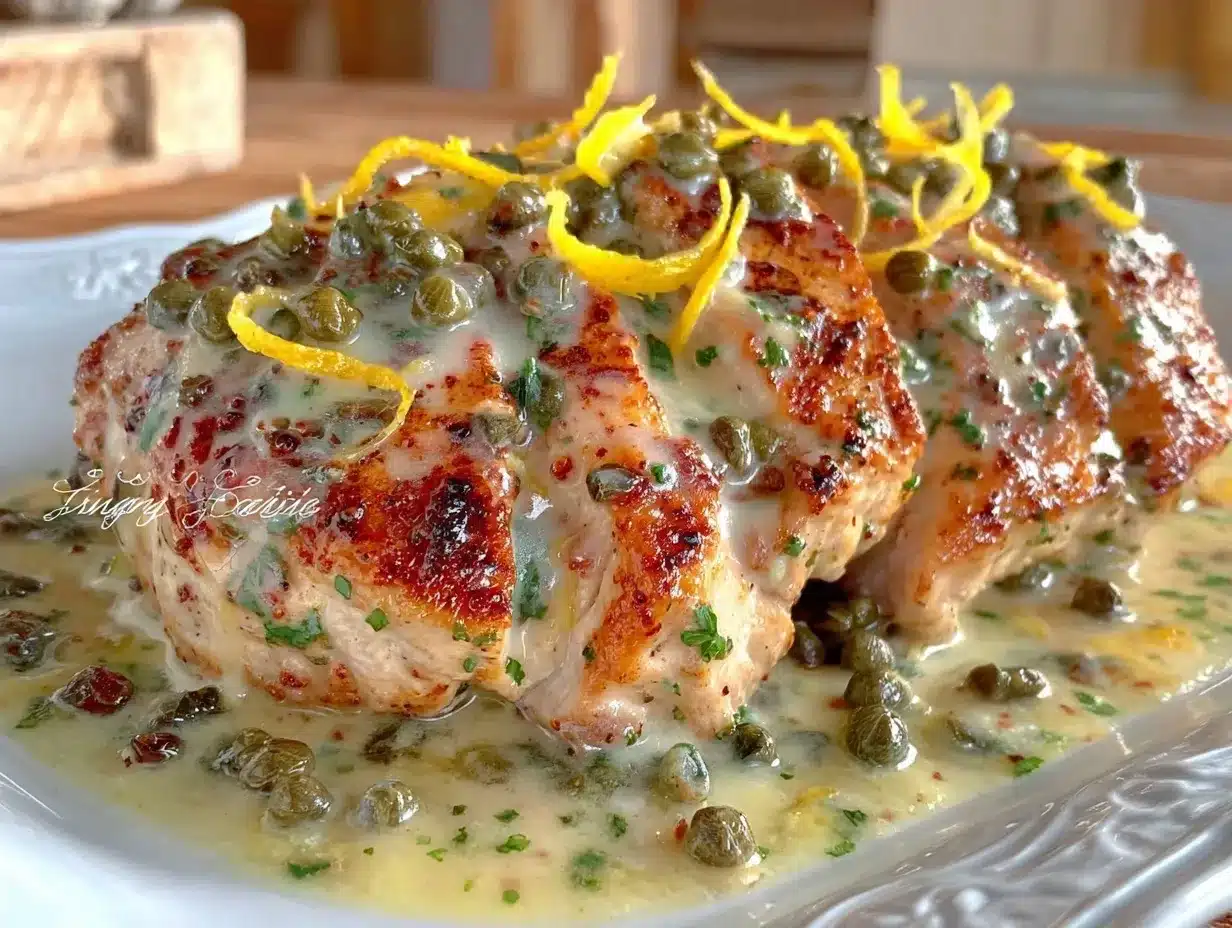
Visual cue: The sauce should be glossy and creamy, clinging to the chicken. The lemon zest adds a bright yellow contrast to the white sauce.
Expert Tips & Tricks
Here’s everything I’ve learned from making this dozens of times. These tips will save you from my mistakes.
Don’t Overcook the Chicken
Chicken breasts are lean. They go from juicy to dry in seconds. Use a meat thermometer if you have one. Pull them off the heat at 160°F (71°C); the residual heat will bring them to 165°F. This keeps them moist.
Drain the Capers Well
Capers come in brine. If you don’t drain them, your sauce will be watery and overly salty. Rinse them under cold water and pat them dry with a paper towel before adding.
Use Fresh Lemon Zest
The zest contains the oils that give lemon its aroma. The juice provides the acid. You need both. Grate the zest before you juice the lemon, or you’ll lose a lot of the fruit trying to get the juice.
Save the Pasta Water
If you’re serving this over pasta, reserve a cup of the starchy pasta water. If your sauce looks too thick when you toss the pasta in, add a splash of that water. It helps the sauce cling to the noodles perfectly.
Room Temperature Cream
Cold cream can sometimes cause the sauce to split or look grainy. Let your cream sit out for 10 minutes before adding it to the warm pan. It blends smoother.
Variations & Substitutions
Once you’ve nailed the basic version, here’s how you can mix it up. I’ve tried all of these.
Gluten-Free Version
Simply use gluten-free flour for dredging. The rest of the recipe is naturally gluten-free (just check your broth label). I’ve used Bob’s Red Mill and it works great.
Lighter Version
Swap the heavy cream for half-and-half or even whole milk thickened with a teaspoon of cornstarch. It’s less rich but still tasty. I make this when I’m trying to be “healthy,” though let’s be honest, it’s still a treat.
Shrimp Piccata
You can use shrimp instead of chicken! Shrimp cooks much faster (2-3 minutes per side). Add the sauce at the end and toss the shrimp in gently. It’s a quick 15-minute dinner.
No Wine?
Use extra chicken broth and add a teaspoon of white wine vinegar or apple cider vinegar for that acidic kick. It won’t be exactly the same, but it works in a pinch.
Veggie Boost
Add some baby spinach to the sauce in the last minute. It wilts down and adds color and nutrients. My kids don’t even notice it’s there.
Serving & Storage
How to Serve
I usually serve this straight from the skillet at the dinner table—it looks rustic and stays warm. But here are other ways I’ve enjoyed it:
- Over Pasta — Spaghetti, fettuccine, or penne. The sauce is made for noodles.
- Over Mashed Potatoes — Creamy potatoes plus creamy lemon sauce = comfort food heaven.
- With Rice — Plain white rice or quinoa works well to soak up the sauce.
- With Crusty Bread — If you’re serving it over something else, grab some garlic bread or a baguette to dip.
Wine Pairing
My wine-snob friend says a crisp Pinot Grigio or Sauvignon Blanc works great. If you’re not drinking wine, sparkling water with lemon works too.
Storage Instructions
Refrigerator:
Store leftovers in an airtight container for up to 3 days. The sauce will thicken in the fridge—totally normal.
Reheating:
Best method: Add the chicken and sauce to a skillet over low heat. Add a splash of milk or broth to loosen the sauce. Stir gently until heated through.
Microwave method: Heat in 30-second intervals, stirring between. Add a splash of liquid if it looks dry.
Never works: Trying to reheat in the pot you cooked it in without liquid. It always burns on the bottom. Ask me how I know.
Freezing:
Honestly, this doesn’t freeze well because of the dairy. The sauce separates when thawed. Make it fresh or store in the fridge for up to 3 days. If you want to meal prep, make the sauce ahead and cook the chicken fresh each night.
Pro tip: If leftovers are drying out, stir in a tablespoon of butter and a splash of milk when reheating. Brings back that creamy texture.
Nutrition Information
I’m not a nutritionist, but here’s the breakdown if you’re tracking. Keep in mind this is an estimate based on typical ingredients.
Per Serving (based on 4 servings with sauce over pasta):
– Calories: 480
– Protein: 35g
– Carbs: 38g
– Fiber: 2g
– Sugar: 4g
– Fat: 22g
– Saturated Fat: 10g
– Cholesterol: 120mg
– Sodium: 650mg
What’s Good:
– High protein from the chicken
– Calcium from the cheese and cream
– Can add vegetables to boost nutrition
What to Know:
– Higher in calories from cream and butter
– Contains dairy and gluten
– Moderate sodium (use low-sodium broth and rinse capers to reduce)
My Take:
Look, this is comfort food with cream and cheese. It’s not a diet recipe. But it’s way better than takeout, costs less, and I know exactly what’s in it. When I want to make it lighter, I use the half-and-half version and load up on vegetables. But usually? I just eat a reasonable portion and enjoy it.
Final Thoughts
So that’s my go-to creamy lemon butter chicken piccata! I’ve probably talked your ear off at this point, but when you make a recipe this often, you have a lot to say about it.
This has saved weeknight dinners more times than I can count. It’s my answer to “what’s for dinner” when I’m tired, don’t want takeout, and still want something that tastes really good. My kids are happy, my husband’s happy, and I’m happy because I’m not stressed about cooking.
Make it yours! Try different add-ins, swap in your favorite vegetables, adjust the lemon (though more is always better in my opinion). The best recipes are the ones you adapt to your family’s tastes.
If you make this, drop a comment and let me know what you think! I love hearing how recipes turn out in your kitchen. And if something doesn’t work, tell me that too—I’m here to help troubleshoot.
Happy cooking! And I hope your kitchen smells half as good as mine does right now.
Frequently Asked Questions
Can I use milk instead of heavy cream?
You can, but the sauce will be much thinner and less rich. If you want to try it, use whole milk (not skim) and add 2 tablespoons of flour to thicken it. Whisk the flour into the milk before adding to the pan. I’ve done this when I ran out of cream—it works okay, just not as good as the real thing. Half-and-half is a better middle ground.
My sauce came out watery—what happened?
Usually means you didn’t let it simmer long enough to thicken, or you added too much liquid. Let the cream mixture simmer for a full 3-4 minutes before adding cheese. If it’s already watery, turn up the heat and let it reduce for another few minutes. The cheese will also thicken it up.
Can I make this ahead for a dinner party?
Sort of. Make the sauce up to 2 days ahead and store in the fridge. Cook the chicken fresh right before serving (takes 10 minutes). Reheat the sauce gently and toss with the cooked chicken. It won’t be quite as good as fresh, but it’s close and saves you stress during the party. I do this all the time.
Why did my sauce get grainy/lumpy?
The heat was too high when you added the cheese or cream, which made it seize up. Dairy needs gentle heat. Always remove the pan from the burner before adding cheese, then stir it in off heat. If it’s already grainy, try whisking in a splash of warm cream—sometimes you can save it.
Can I use jarred lemon juice?
You can, but fresh tastes so much better in this recipe. Jarred lemon juice has a weird metallic taste that really shows up in cream sauces. If you must use it, use half the amount because it’s stronger. But honestly, squeezing 2 lemons takes like 2 minutes. Buy pre-peeled lemon halves if you want to save time.
How do I reheat leftovers without it getting dry?
Add a splash of milk or cream to a skillet, add your leftover chicken, and heat gently over low heat, stirring frequently. The extra liquid brings back the creamy texture. Microwave sort of works but tends to dry it out. If you do microwave, definitely add a splash of milk first and heat in short bursts, stirring between.
Can I double this recipe?
Absolutely! Double everything and use your biggest pot. The cooking times stay the same. I do this when I’m meal-prepping or feeding a crowd. Just make sure your skillet is big enough for the sauce—you might need to use two pans or a very large skillet.
Pin This Recipe!
Creamy Lemon Butter Chicken Piccata
- Total Time: 25 minutes
- Yield: 4 servings 1x
Description
A comforting, family-friendly twist on traditional chicken piccata, featuring tender chicken breasts in a rich, creamy lemon butter sauce with capers. This one-pan meal is quick, budget-friendly, and kid-approved.
Ingredients
- 2 large boneless, skinless chicken breasts (about 1.5 lbs / 680g)
- ½ cup all-purpose flour (for dredging)
- Salt and black pepper (to season flour and chicken)
- 2 tablespoons olive oil
- 3 tablespoons unsalted butter (divided: 1 tbsp for searing, 2 tbsp for sauce)
- 1 cup low-sodium chicken broth
- ½ cup heavy cream
- ½ cup fresh lemon juice (about 2–3 lemons)
- ¼ cup dry white wine (such as Pinot Grigio or Sauvignon Blanc)
- 3 tablespoons capers, drained and rinsed
- 2 tablespoons fresh parsley, chopped
- ¼ cup grated Parmesan cheese (optional)
- Lemon zest (from 1-2 lemons)
Instructions
- Pound chicken breasts between plastic wrap or in a bag until about ½-inch thick to ensure even cooking. Season both sides with salt and pepper.
- Spread flour on a plate. Dredge each chicken breast in the flour, shaking off any excess to create a light coating.
- Heat olive oil and 1 tablespoon of butter in a large skillet over medium-high heat. Once butter foams, add chicken. Sear for 3-4 minutes per side until golden brown and cooked through (internal temp 165°F). Remove chicken to a plate and tent with foil.
- Reduce heat to medium. Add remaining 2 tablespoons of butter to the same pan. Let melt and bubble. Add minced garlic (if using) and cook for 30 seconds until fragrant.
- Pour in white wine and lemon juice, scraping up brown bits from the bottom of the pan with a wooden spoon.
- Stir in chicken broth and heavy cream. Simmer for 2-3 minutes until sauce thickens slightly and coats the back of a spoon.
- Stir in capers and Parmesan cheese. If sauce is too thick, add a splash of broth; if too thin, simmer longer.
- Return chicken and any accumulated juices to the pan. Spoon sauce over the top, sprinkle with fresh parsley and lemon zest, and serve immediately.
Notes
For a lighter version, swap heavy cream for half-and-half or whole milk thickened with cornstarch. If serving over pasta, reserve starchy pasta water to help the sauce cling to noodles. Do not freeze this dish as the dairy sauce may separate upon thawing. For best results, use fresh lemon juice and zest rather than bottled.
- Prep Time: 10 minutes
- Cook Time: 15 minutes
- Category: Main Course
- Cuisine: Italian
Nutrition
- Serving Size: 1 chicken breast wit
- Calories: 480
- Sugar: 4
- Sodium: 650
- Fat: 22
- Saturated Fat: 10
- Carbohydrates: 38
- Fiber: 2
- Protein: 35
Keywords: chicken piccata, creamy lemon chicken, easy weeknight dinner, family friendly recipes, one pan meals, budget friendly cooking, gluten free options