There is a specific kind of exhaustion that hits around 5:30 PM on a Tuesday in November. You know the one. The light is fading outside, the kids have been home from school for three hours, the house is slightly chaotic, and your brain has completely shut down. I used to stare into my open refrigerator, hoping the ingredients would magically rearrange themselves into a gourmet meal. Instead, I’d usually end up ordering takeout, feeling guilty about the cost and the sodium levels by 8 PM.
Then I got my Instant Pot. And then I got this beef stew recipe.
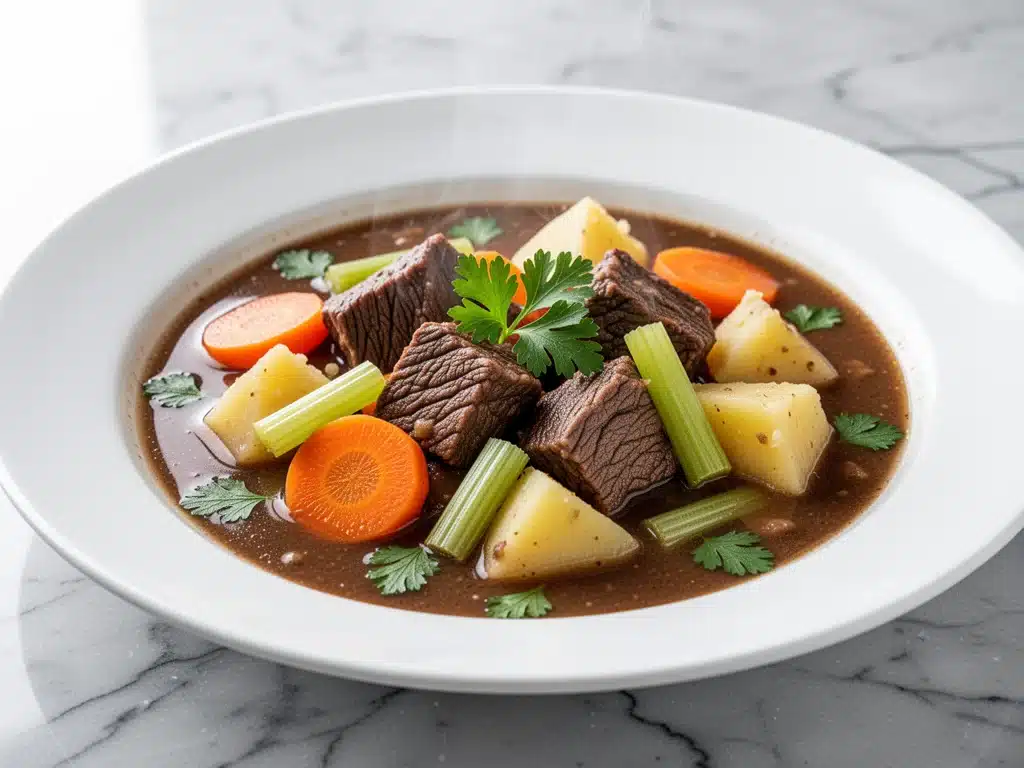
It wasn’t love at first sight. My first attempt was too watery, and the beef was chewy enough to use as sandpaper. I was ready to toss the appliance in the back of the closet. But I kept at it. I tweaked the searing time. I changed the liquid ratio. I stopped being afraid of the “burn” warning. And about the seventh or eighth try, I lifted the lid and smelled something incredible. Rich, savory, deeply comforting. The beef was falling apart tender. The carrots were sweet and soft. The gravy was thick enough to coat a spoon but light enough to sip.
That was the moment this Instant Pot Beef Stew became my holy grail. It’s no longer just a recipe; it’s my emergency button for weeknight survival. It takes about 30 minutes of actual hands-on time (most of that is chopping), and then the pressure cooker does the heavy lifting while I help with homework or just sit on the couch for five minutes. It’s hearty, it’s budget-friendly, and it tastes like I spent all day simmering on the stove.
Real talk: If you’re tired of the same old chicken salad lettuce wraps or quick stir-fries that leave you hungry an hour later, this is the upgrade you need. It’s the kind of meal that wraps around you like a warm blanket. I’ve made this at least twenty times since last winter, and it never gets old. In fact, it’s the dish I make when I want to feel like a good parent, a good cook, and a human being who hasn’t burned dinner. Let’s get into how you can make it too.
Why You’ll Love This Recipe
I’m not exaggerating when I say this has completely changed our weeknight dynamic. Before this, “stew” meant a weekend project. With the Instant Pot, it’s a Tuesday night win. Here’s why this Instant Pot Beef Stew keeps me coming back:
- It’s Actually Fast — People think pressure cooking is complicated or slow. It’s not. From the moment I start chopping to the moment I serve, it’s about 45 minutes total. That’s faster than driving to a restaurant and waiting for a table. I’ve made this after getting home from soccer practice at 6:45 PM, and we were eating by 7:30.
- Set It and Forget It — Once the lid is on, I’m done. I can clean the kitchen, load the dishwasher, or actually relax. There’s no stirring, no burning the bottom, no standing over the stove. It’s the ultimate hands-off dinner for busy families.
- Uses Cheap Cuts — This recipe calls for chuck roast, which is affordable and flavorful. The pressure cooking process turns what used to be a tough, chewy cut into something melt-in-your-mouth tender. You get restaurant-quality texture without the restaurant price tag.
- Leftovers Are Legendary — Let’s be honest: beef stew is almost always better the next day. The flavors have time to meld, and the gravy thickens up. I deliberately make extra for lunch. By day two, it’s even better than fresh. It’s like the recipe improves with age.
- Kid-Approved Comfort — My pickiest eater, who usually refuses anything with a “sauce,” devours this. The gravy is savory but not overwhelming, and the vegetables are soft enough that there’s no crunch factor to complain about. It’s safe, warm, and filling.
This isn’t just dinner; it’s peace of mind. It’s the meal that saves me from the 5 PM panic. It’s cozy, it’s reliable, and it makes my kitchen smell amazing without requiring me to be a master chef.
Ingredients You’ll Need
Here’s the best part: you probably have most of the pantry staples already. This isn’t a recipe that requires a trip to three different specialty stores. It’s straightforward, honest ingredients that work together beautifully.
For the Meat and Base
Beef Chuck Roast (2 pounds / 900g) — This is non-negotiable. Don’t use lean sirloin or stew meat from the pre-packaged bags (unless you’re in a total emergency). Chuck has the right amount of fat and connective tissue to break down into tenderness. Cut it into 1.5-inch cubes. Too small, and it turns to mush. Too big, and it won’t cook evenly.
Vegetable Oil (2 tablespoons) — I use a neutral oil with a high smoke point, like canola or avocado. You need this for searing the beef. Butter would burn at the high heat required for a good crust.
All-Purpose Flour (2 tablespoons) — This coats the beef before searing. It helps create a crust and, more importantly, thickens the gravy later. It’s a classic technique for a reason.
Salt and Black Pepper (to taste) — Season the beef generously before dredging. This builds flavor from the inside out. Don’t be shy with the salt here.
For the Flavor Profile
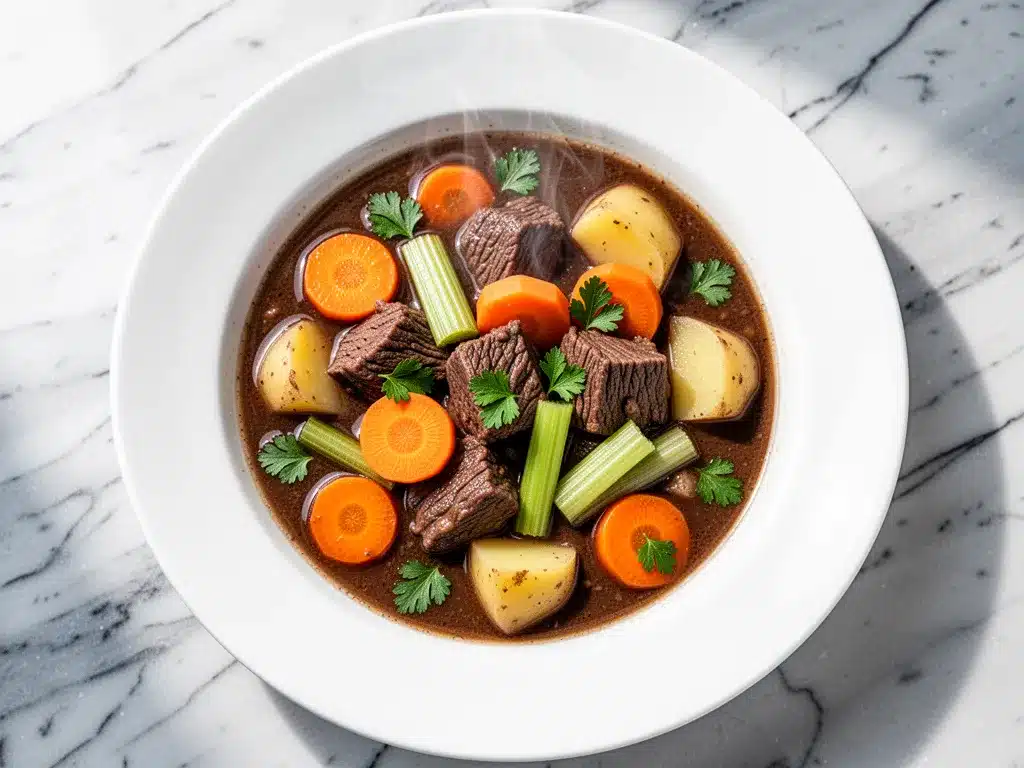
Yellow Onion (1 medium, diced) — The backbone of the stew. Yellow onions caramelize well and add sweetness. I dice mine medium-small so it melts into the gravy.
Garlic (4 cloves, minced) — Fresh garlic is essential. Jarred garlic just doesn’t have the punch needed for a robust stew. Mince it finely so it distributes evenly.
Tomato Paste (2 tablespoons) — This adds depth and a rich, umami color. It’s not about tasting like tomatoes; it’s about adding a savory backbone. Cook it for a minute with the onions to remove the raw metallic taste.
Beef Broth (2 cups / 480ml) — Use low-sodium broth so you can control the saltiness. If you run out, water mixed with a bouillon cube works, but good broth makes a huge difference. I use homemade roasted tomato marinara sometimes, but for this, clear beef broth is the way to go.
Red Wine (½ cup / 120ml) — Dry red wine like Cabernet Sauvignon or Merlot. You don’t need expensive wine, but don’t use the cooking wine from the vinegar aisle. If you don’t drink alcohol, substitute with extra beef broth plus a teaspoon of balsamic vinegar for acidity.
Worcestershire Sauce (1 tablespoon) — This is the secret weapon. It adds a complex, savory note that salt alone can’t achieve. Just a splash goes a long way.
The Veggies and Herbs
Carrots (3 large, chopped into 1-inch chunks) — Add these halfway through or at the beginning? I add them at the beginning. They hold up well to pressure cooking and become sweet and tender.
Potatoes (1.5 pounds / 700g, Yukon Gold or Russet) — Yukon Golds are my favorite because they stay creamy and don’t fall apart as easily as Russets. Peel them and cut into similar-sized chunks as the carrots.
Green Beans (1 cup, chopped) — I add these in the last 5 minutes of cooking or after release. If you pressure cook them from the start, they turn into olive-green mush. I like them to have a tiny bit of bite.
Bay Leaf (1) — Toss it in for the simmering process. Remove it before serving. It adds a subtle herbal background note.
Dried Thyme (1 teaspoon) — Thyme pairs perfectly with beef and carrots. Fresh thyme works too, but add it at the end to keep the flavor bright.
Frozen Peas (½ cup) — Optional, but a nice pop of color and sweetness. Add them right at the end so they stay bright green.
Equipment Needed
You don’t need a fancy kitchen to make this. Here’s what I actually use, and what you can substitute if you don’t have it.
6-Quart Instant Pot (or similar electric pressure cooker) — This is the star of the show. I use the standard 6-quart model. It’s the perfect size for a family of four with leftovers. If you have an 8-quart, just double the recipe or make a double batch.
Sauté Function — Most modern pressure cookers have this. It’s crucial for browning the meat. If yours doesn’t, you’ll need to brown the beef in a skillet on the stove before transferring it to the pot. Not ideal, but doable.
Sharp Chef’s Knife — For chopping the beef and veggies. A dull knife is dangerous and frustrating. I keep my chef’s knife sharpened regularly. It makes the prep go so much faster.
Wooden Spoon or Silicone Spatula — For stirring the onions and scraping the bottom of the pot. You need something sturdy that won’t scratch the inner pot if it’s non-stick.
Measuring Cups and Spoons — Standard stuff. I keep a set in a drawer. Accuracy matters less here than in baking, but it helps to be close.
Colander — For rinsing the potatoes if you like. I usually just chop them directly into the pot to save dishes.
Optional: Ladle — For serving. It makes dishing out the stew cleaner and easier than using a spoon.
How to Make It: Step-by-Step
Alright, let’s make this! I’m walking you through exactly how I do it, including the little tricks I’ve picked up to ensure your stew is tender, flavorful, and not watery.
Step 1: Prep the Beef
Pat the beef cubes dry with paper towels. This sounds like a minor detail, but dry meat sears better. Wet meat steams. Toss the beef in a bowl with the flour, salt, and pepper. Coat them well, shaking off any excess flour. You want a thin, even dusting, not a thick coating.
Step 2: Sear the Beef
Turn your Instant Pot to the “Sauté” function on High. Add the vegetable oil. Once the oil is shimmering and hot, add the beef in a single layer. Do not overcrowd the pot! If you do this in one batch, the meat will steam instead of brown. You’ll get about 3-4 minutes per side until you have a nice brown crust. Transfer the browned beef to a plate. It doesn’t need to be cooked through; we just want color and flavor.
Step 3: Sauté the Aromatics
Keep the pot on Sauté. Add the diced onion to the beef drippings. Cook for 3-4 minutes until softened. Add the minced garlic and tomato paste. Stir constantly for 1 minute. The tomato paste should darken slightly and smell sweet. This step builds the flavor base. If there are brown bits stuck to the bottom, scrape them up now. Those bits are liquid gold.
Step 4: Deglaze and Combine
Pour in the red wine. Scrape the bottom of the pot thoroughly with your wooden spoon. This is critical. If there are burnt bits left, the Instant Pot might trigger a “Burn” warning. Once the wine is incorporated and the bottom is clean, add the beef back in, along with any juices on the plate. Add the beef broth, Worcestershire sauce, bay leaf, and thyme. Stir to combine.
Step 5: Add the Vegetables
Stir in the carrots and potatoes. They should be mostly submerged in the liquid. If they’re sticking out, add a splash more water or broth. The liquid level should be about an inch below the max fill line. Remember, pressure cookers don’t reduce liquid like a stove-top pot, so don’t add too much extra water.
Step 6: Pressure Cook
Secure the lid. Make sure the valve is set to “Sealing.” Select “Manual” or “Pressure Cook” on High for 35 minutes. The pot will take about 10-15 minutes to come to pressure. Once it beeps that it’s reached pressure, it will start counting down. You can’t interfere with this process. Go read a book. Nap. Do the dishes. Just wait.
Step 7: Natural Release and Finish
When the timer goes off, let the pressure release naturally for 15 minutes. This gentle release helps keep the meat tender. After 15 minutes, carefully turn the valve to “Venting” to release any remaining pressure. Open the lid away from your face to avoid steam burns.
Remove the bay leaf. If you’re adding green beans and peas, turn the Sauté function back on Low and stir them in. Cook for 3-4 minutes until the vegetables are tender-crisp. Taste the gravy. If it’s too thin, let it simmer on Sauté for another 5 minutes to reduce. If it’s too thick, add a splash of water or broth. Adjust salt and pepper to taste.
Serve hot, garnished with fresh parsley if you have it. It’s that simple.
Expert Tips & Tricks
Here’s everything I’ve learned from making this dozens of times. These tips will save you from my mistakes.
Don’t Skip the Sear
I know it’s an extra step. I know you’re tired. But searing the beef creates the Maillard reaction, which adds that deep, savory flavor you can’t get from just boiling meat. It also gives the gravy a richer color. Take the time to get a good crust.
Scrape the Bottom
This is the #1 reason people get the “Burn” error. Before you seal the lid, make sure the bottom of the pot is completely clean. No stuck-on tomato paste, no flour clumps. If you’re worried, deglaze with a little water before adding the wine.
Cut Veggies Uniformly
If your carrot chunks are tiny and your potato chunks are huge, the carrots will turn to mush before the potatoes are cooked. Try to keep everything around 1-1.5 inches. Consistency is key for even cooking.
Use Yukon Golds
I’ve tried Russets, and they tend to disintegrate in the pressure cooker. Yukon Golds hold their shape better and have a buttery texture that’s perfect for stew. If you only have Russets, cut them slightly larger and handle them gently.
Thicken the Gravy
If your stew is too thin after cooking, don’t add a cornstarch slurry. Just let it simmer on the Sauté function for a few minutes. The starches from the potatoes and the flour will naturally thicken it. If you’re in a hurry, mix 1 tablespoon of cornstarch with 1 tablespoon of cold water and stir it in, then simmer for 2 minutes.
Don’t Overcrowd the Pot
When searing the beef, do it in batches. If you put all the meat in at once, the temperature drops, and the meat steams. You want a sear, not a boil. It takes an extra 5 minutes, but it’s worth it.
Variations & Substitutions
Once you’ve nailed the basic version, here’s how you can mix it up. I’ve tried all of these, and they work.
Gluten-Free Version
Simply swap the all-purpose flour for a gluten-free flour blend or cornstarch. Make sure your beef broth and Worcestershire sauce are certified gluten-free (some brands contain barley or wheat). The rest of the recipe is naturally gluten-free.
Slow Cooker Version
You can make this in a slow cooker too. Sear the beef and sauté the onions on the stove, then transfer everything to the slow cooker. Cook on Low for 6-8 hours or High for 3-4 hours. Add the green beans and peas in the last hour. It’s less hands-off than the Instant Pot, but the flavor is the same.
Vegetable-Heavy
Add more veggies! Mushrooms, parsnips, and turnips work beautifully in beef stew. Sauté the mushrooms with the onions. Add parsnips and turnips with the carrots and potatoes. It makes the stew heartier and more nutritious.
Spicy Twist
Add a teaspoon of smoked paprika and a pinch of cayenne pepper when you add the herbs. It gives the stew a subtle kick that pairs well with the rich beef. Serve with hot sauce on the side.
Herb Variations
If you don’t have thyme, use rosemary or a dried Italian blend. Fresh rosemary is strong, so use half the amount. Herbs are flexible; use what you have.
Protein Swap
While beef is traditional, you can use lamb shoulder for a richer, gamier flavor. Or use pork shoulder for a milder, sweeter stew. The cooking time is similar for both.
Serving & Storage
How to Serve
I usually serve this straight from the pot, ladled into deep bowls. It’s rustic and cozy. Here are some sides that go well with it:
- Crusty Bread — Essential for soaking up the gravy. A baguette or sourdough discard focaccia works great.
- Mashed Potatoes — If you want to double down on comfort, serve the stew over creamy mashed potatoes.
- Simple Green Salad — A light salad with a vinaigrette cuts through the richness of the stew.
- Roasted Vegetables — If you want a lighter meal, skip the potatoes in the stew and serve with roasted broccoli or asparagus.
Storage Instructions
Refrigerator: Let the stew cool to room temperature, then transfer to an airtight container. It will keep in the fridge for up to 4 days. The flavors actually improve after a day or two.
Reheating: Reheat in a pot over medium-low heat, stirring occasionally. Add a splash of water or broth if it looks too thick. You can also reheat individual portions in the microwave, but stir halfway through to ensure even heating.
Freezing: Yes, you can freeze this! Portion it into freezer-safe containers or heavy-duty ziplock bags. It will keep for up to 3 months. Thaw in the fridge overnight before reheating. Note that the potatoes may become slightly mushy after freezing, but the flavor will still be great.
Pro Tip: If you’re meal prepping, consider leaving out the green beans and peas. Add fresh ones when you reheat. They’ll stay bright and crisp instead of turning brown and soft.
Nutrition Information
I’m not a nutritionist, but here’s the breakdown if you’re tracking. This is per serving, based on 6 servings.
- Calories: 450
- Protein: 35g
- Carbs: 30g
- Fiber: 4g
- Sugar: 6g
- Fat: 20g
- Saturated Fat: 7g
- Sodium: 650mg
What’s good: High protein from the beef, good fiber from the vegetables. It’s a balanced meal. What to know: It’s higher in sodium due to the broth and Worcestershire sauce. Use low-sodium broth and reduce added salt to control this. It’s comfort food, so enjoy it in moderation.
Final Thoughts
So that’s my go-to Instant Pot Beef Stew! I’ve probably talked your ear off at this point, but when you make a recipe this often, you have a lot to say about it. This has saved weeknight dinners more times than I can count. It’s my answer to “what’s for dinner” when I’m tired, don’t want takeout, and still want something that tastes really good. My kids are happy, my husband’s happy, and I’m happy because I’m not stressed about cooking.
Make it yours! Try different add-ins, swap in your favorite vegetables, adjust the herbs to your taste. The best recipes are the ones you adapt to your family’s tastes. If you make this, drop a comment and let me know what you think! I love hearing how recipes turn out in your kitchen. And if something doesn’t work, tell me that too—I’m here to help troubleshoot.
Happy cooking! And I hope your kitchen smells half as good as mine does right now.
Frequently Asked Questions
Can I use a different cut of beef?
You can, but chuck roast is best. It has the right amount of fat to stay tender under pressure. Lean cuts like sirloin will become dry and chewy. If you must use a lean cut, reduce the cooking time slightly and add more liquid to prevent drying out.
Why did my stew turn out watery?
Pressure cookers don’t reduce liquid like a stove-top pot. If your stew is too thin, simmer it on the Sauté function for 5-10 minutes after opening the lid. You can also use a cornstarch slurry (1 tbsp cornstarch + 1 tbsp water) to thicken it quickly.
Can I make this ahead of time?
Yes! Make the stew up to 2 days ahead. Store it in the fridge. Reheat gently on the stove. The flavors will be even better the next day. Just add fresh green beans and peas when reheating.
Why did my Instant Pot say “Burn”?
This usually happens if there are stuck-on bits at the bottom of the pot, or if the tomato paste wasn’t cooked off properly. Always deglaze the pot thoroughly after searing meat and sautéing vegetables. Make sure the liquid level is high enough to cover the bottom.
Can I freeze the green beans and peas?
It’s better to add them fresh or frozen at the end of cooking. If you pressure cook them from the start, they will turn mushy and lose their color. Add them in the last 5 minutes of cooking or after the pressure is released.
Is this recipe spicy?
No, it’s not spicy by default. It’s savory and rich. If you want heat, add red pepper flakes, cayenne, or hot sauce to taste. It’s very customizable.
Can I use bone-in beef for more flavor?
You can, but you’ll need to remove the bones before serving. Bone-in cuts can add more depth to the broth, but they take up more space in the pot. Boneless chuck is easier to handle and serves more people.
Pin This Recipe!
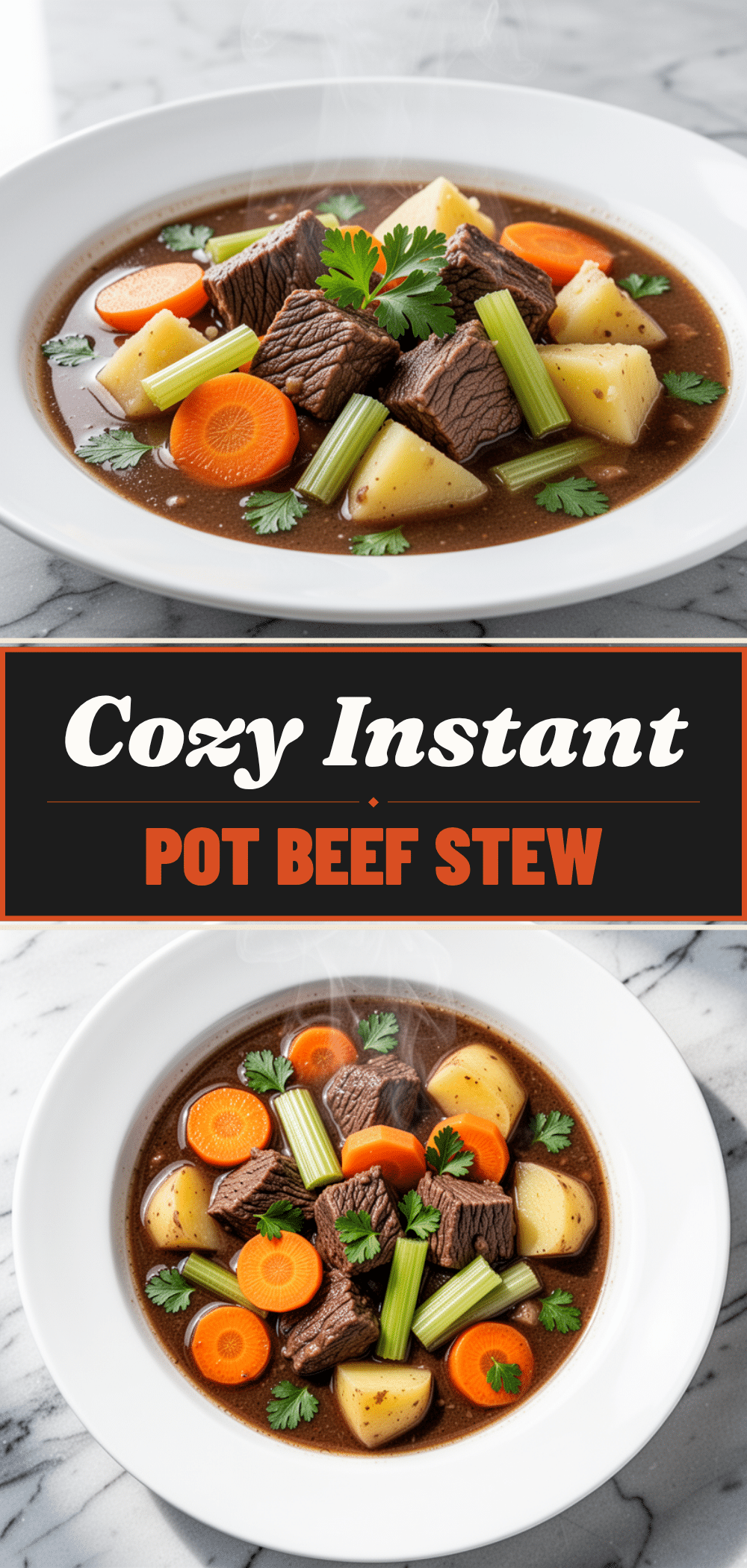
Instant Pot Beef Stew: Easy 30-Minute Dinner
- Total Time: 45 minutes
- Yield: 6 servings 1x
Description
A hearty, budget-friendly beef stew made in an Instant Pot that transforms tough cuts of meat into melt-in-your-mouth tenderness. This weeknight-friendly recipe takes about 45 minutes total and delivers rich, savory flavors with minimal hands-on effort.
Ingredients
- 2 pounds beef chuck roast, cut into 1.5-inch cubes
- 2 tablespoons vegetable oil
- 2 tablespoons all-purpose flour
- Salt and black pepper, to taste
- 1 medium yellow onion, diced
- 4 cloves garlic, minced
- 2 tablespoons tomato paste
- 2 cups low-sodium beef broth
- 1/2 cup dry red wine (such as Cabernet Sauvignon or Merlot)
- 1 tablespoon Worcestershire sauce
- 3 large carrots, chopped into 1-inch chunks
- 1.5 pounds potatoes (Yukon Gold or Russet), peeled and cut into chunks
- 1 bay leaf
- 1 teaspoon dried thyme
- 1 cup green beans, chopped
- 1/2 cup frozen peas
Instructions
- Pat beef cubes dry with paper towels. Toss with flour, salt, and pepper to coat evenly, shaking off excess.
- Set Instant Pot to ‘Sauté’ on High. Add oil and heat until shimmering. Sear beef in batches (do not overcrowd) for 3-4 minutes per side until browned. Remove beef to a plate.
- Add diced onion to the pot and cook for 3-4 minutes until softened. Add garlic and tomato paste, stirring constantly for 1 minute until tomato paste darkens slightly.
- Pour in red wine and scrape the bottom of the pot thoroughly to release any browned bits. Add beef back in with juices, beef broth, Worcestershire sauce, bay leaf, and thyme. Stir to combine.
- Add carrots and potatoes. Ensure they are mostly submerged in liquid. Secure lid and set valve to ‘Sealing’.
- Select ‘Manual’ or ‘Pressure Cook’ on High for 35 minutes. Allow the pot to come to pressure (approx. 10-15 minutes) before the countdown begins.
- Once cooking is complete, allow pressure to release naturally for 15 minutes. Then carefully turn valve to ‘Venting’ to release remaining pressure.
- Open lid, remove bay leaf. Turn Sauté function to Low and stir in green beans and peas. Cook for 3-4 minutes until vegetables are tender-crisp.
- Taste and adjust seasoning. If gravy is too thin, simmer on Sauté for 5 minutes to reduce. Serve hot.
Notes
Do not skip searing the beef for better flavor. Ensure the bottom of the pot is completely clean before sealing to avoid ‘Burn’ warnings. Use Yukon Gold potatoes as they hold their shape better than Russets in pressure cooking. Green beans and peas should be added at the end to maintain texture and color.
- Prep Time: 15 minutes
- Cook Time: 30 minutes
- Category: Main Course
- Cuisine: American
Nutrition
- Serving Size: 1 bowl
- Calories: 450
- Sugar: 6
- Sodium: 650
- Fat: 20
- Saturated Fat: 7
- Carbohydrates: 30
- Fiber: 4
- Protein: 35
Keywords: Instant Pot, Beef Stew, Pressure Cooker, Weeknight Dinner, Comfort Food, Chuck Roast, Easy Recipes