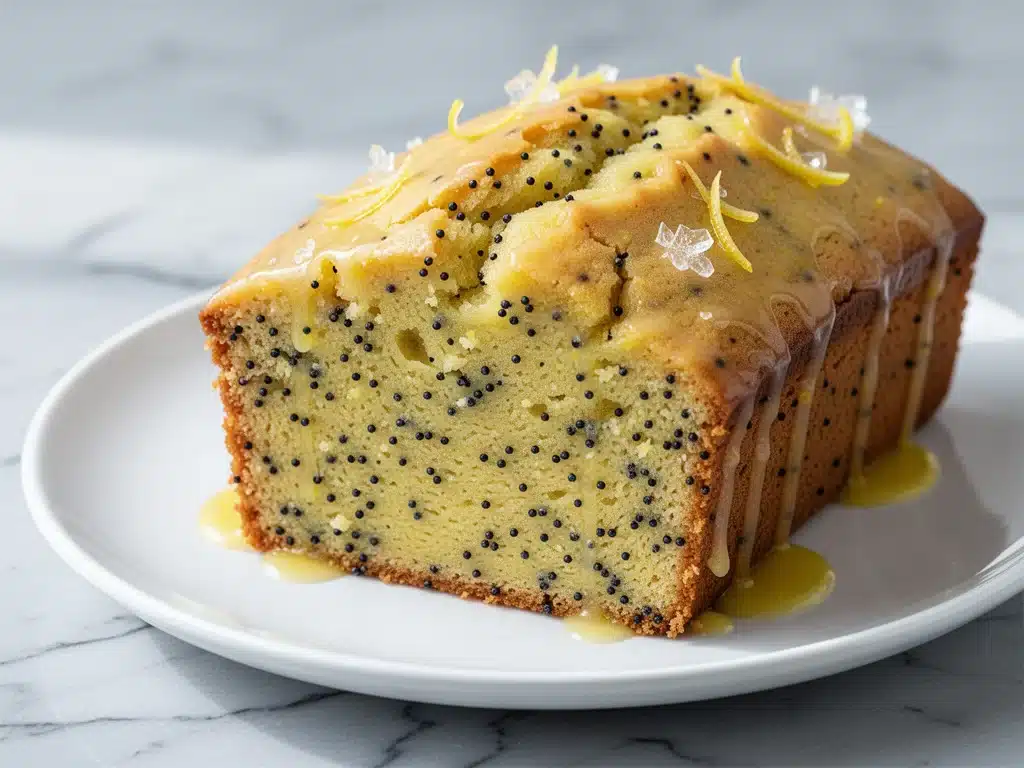
I have a confession to make. For years, I avoided vegan baking like it was going to bite me. Specifically, I had a running feud with lemon cake. Every time I tried a vegan lemon loaf, it ended up tasting like a dense, dry sponge that smelled vaguely of sadness and old dishwater. I’m talking about the kind of cake that makes you question your life choices while you’re chewing it.
That all changed last Sunday morning. I had a stack of eager faces around the breakfast table—my kids, my partner, and my mom, who is notoriously difficult to impress with anything that isn’t loaded with bacon. I pulled this vegan lemon poppy seed loaf out of the oven, and the smell alone stopped the chaos. It smelled like a sunny day. Bright, zesty, and clean.
But the real test? The bite. I handed a slice to my mom, who raised me on traditional butter-and-cream cakes. She took one bite, paused, looked at me, and said, “This is better than the one you made with eggs.” I was skeptical. She took another bite. Then she asked for a second slice. That moment right there? That’s why I bake. That’s why I tweak recipes until they’re perfect. This vegan lemon poppy seed loaf with bright citrus glaze isn’t just “good for vegan.” It’s genuinely, undeniably delicious. Period.
I’ve tested this recipe about a dozen times now. Some versions were too tart, some were too dense, and one was so dry I basically used it as a coaster. But this version? This is the one. It’s moist, it’s tangy, and that glaze? It’s the kind of glaze that makes people stop mid-sentence to ask for the recipe. If you’ve been looking for a breakfast treat that feels indulgent but stays plant-based, or if you just want a dessert that won’t leave you feeling heavy, this is it.
What makes this loaf special is that it doesn’t try to be anything it’s not. It’s a simple, straightforward loaf that lets the lemon shine. No weird ingredients you can’t pronounce. No days of soaking chia seeds. Just real lemon juice, flax eggs for binding, and a glaze that melts into the warm crust. It’s the kind of bake that makes your kitchen smell like a high-end bakery without the stress.
Why You’ll Love This Vegan Lemon Loaf
There are plenty of vegan desserts out there, but this lemon loaf has earned a permanent spot in my weekly rotation. Here’s why it’s become my go-to for brunches, potlucks, and quiet Sunday mornings.
Bright, Not Bland — Most vegan cakes lack that punch of flavor you get from dairy and eggs. Not this one. I use both lemon zest and fresh lemon juice in the batter, plus a zesty glaze on top. It’s tart, sweet, and incredibly refreshing. My kids actually ask for “lemon bread” now, which is a miracle in itself.
Moisture That Lasts — One of the biggest complaints about vegan baking is dryness. This loaf stays moist for days. I’ve kept slices in an airtight container for three days, and they’re still soft and tender. The oil and yogurt base keeps the crumb tender without being greasy.
Simple Ingredients — You probably have everything you need in your pantry. Flour, sugar, oil, lemon, poppy seeds, and a few pantry staples. No xanthan gum, no aquafaba (unless you want to use it, but flax works better here), no fancy flours. Just good, honest baking.
Impressive Without Trying — When I bring this to work or to a friend’s house, people are always surprised it’s vegan. The texture is light and airy, and the glaze makes it look fancy. It’s perfect for impressing guests who don’t even know they’re eating vegan food.
Quick to Make — The batter comes together in about 10 minutes. You’re mostly waiting for the bake, which takes about 45 minutes. It’s a low-effort, high-reward recipe. I’ve made this while helping my kids with homework, and it turns out perfect every time.
Gluten-Free Friendly — I’ve tested this with a 1:1 gluten-free flour blend, and it works beautifully. If you have gluten sensitivities, you can swap the flour without losing any flavor or texture. It’s one of those rare recipes that works for everyone.
This loaf is my answer to “what’s for dessert?” when I want something light but satisfying. It’s also great for breakfast with a cup of tea or coffee. It’s versatile, reliable, and delicious. I make it for every occasion, and it never fails to deliver.
Ingredients You’ll Need
Here’s the best part: you probably have most of this already. This isn’t a recipe that requires a trip to three different specialty stores. I’m particular about a few things, though, so let’s break it down.
For the Loaf
All-purpose flour (2 cups / 250g) — I use King Arthur or Gold Medal. If you’re gluten-free, use a 1:1 blend like Bob’s Red Mill. Don’t use almond flour or oat flour unless you’re experienced—they’ll change the texture too much. Stick to a good all-purpose blend.
Granulated sugar (1 cup / 200g) — Don’t skimp on the sugar. It’s not just for sweetness; it helps with moisture and browning. If you’re watching sugar, you can reduce to ¾ cup, but it will be less moist.
Poppy seeds (2 tablespoons) — This is non-negotiable. They add that little crunch and visual appeal. You can skip them if you hate texture, but don’t. Trust me.
Flax eggs (2 flax eggs) — Mix 2 tablespoons ground flaxseed with 6 tablespoons warm water. Let it sit for 5 minutes until gelatinous. This binds the cake. Don’t use chia seeds here; they don’t bind as well for this texture.
Neutral oil (½ cup / 120ml) — I use avocado oil or light olive oil. Vegetable oil works too. Don’t use strong olive oil—it will overpower the lemon. Coconut oil is okay if melted, but it can make the cake dense.
Plant-based yogurt (½ cup / 120g) — Unsweetened vanilla or plain works best. I use Silk or Forager Project. The yogurt adds tang and moisture. Don’t use milk instead; it won’t be as tender.
Fresh lemon juice (½ cup / 120ml) — Squeeze your own lemons. Bottled lemon juice tastes metallic and flat. You need about 3-4 lemons. Fresh is the key to that bright flavor.
Lemon zest (2 tablespoons) — Zest before you juice. Use a microplane or fine grater. Avoid the white pith—it’s bitter. This is where the intense lemon flavor comes from.
Baking powder (1 teaspoon) — Make sure it’s fresh. Old baking powder won’t make the cake rise. I check mine every few months.
Baking soda (½ teaspoon) — Helps with browning and tenderness. It reacts with the lemon juice and yogurt.
Salt (½ teaspoon) — Enhances the lemon flavor. Don’t skip it.
For the Bright Citrus Glaze
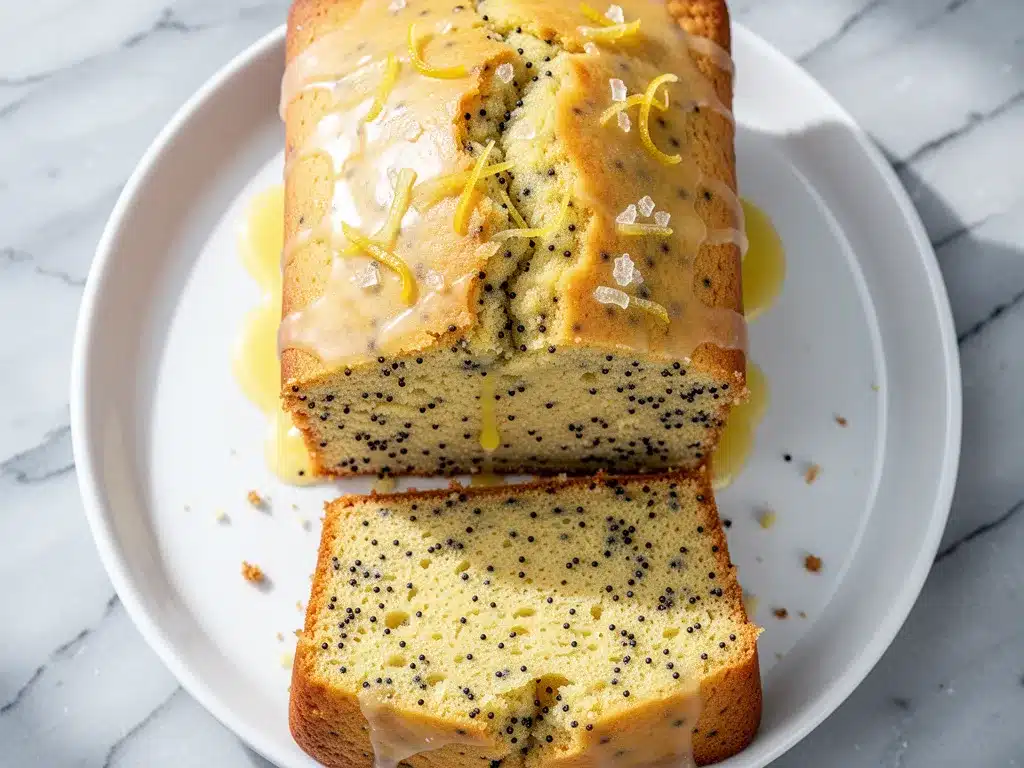
Confectioners’ sugar (1 cup / 120g) — Sifted to avoid lumps. This makes the glaze smooth.
Fresh lemon juice (2-3 tablespoons) — Add gradually. You want a thick but pourable consistency.
Lemon zest (1 teaspoon) — For extra pop and visual appeal.
Optional: Vanilla extract (½ teaspoon) — I skip this to keep the lemon flavor pure. But if you like a hint of vanilla, add it.
Equipment Needed
You don’t need fancy equipment for this. Here’s what I actually use.
9×5 inch loaf pan — Standard size. I use a metal pan for even baking. Glass pans can make the bottom burn, so line it well.
Large mixing bowl — For dry ingredients. I use a stainless steel bowl.
Medium mixing bowl — For wet ingredients. Any size works.
Whisk — For mixing the batter. A silicone whisk is nice because it doesn’t scratch bowls.
Microplane or zester — For the lemon zest. A box grater works but is harder to control.
Pastry brush — Optional, for brushing the glaze. A spoon works too.
Cooling rack — Essential for cooling the loaf. Don’t skip this; it prevents sogginess.
How to Make It: Step-by-Step
Alright, let’s make this! I’m walking you through exactly how I do it, including the little tricks I’ve picked up.
Step 1: Prep Your Pan and Flax Eggs (5 minutes)
Preheat your oven to 350°F (175°C). Grease your 9×5 loaf pan with oil or non-stick spray. Line it with parchment paper for easy removal. This is crucial—loaf pans are notorious for sticking. Mix your flax eggs: 2 tablespoons ground flaxseed with 6 tablespoons warm water. Stir and set aside for 5 minutes. It should get thick and gel-like.
Step 2: Mix Dry Ingredients (2 minutes)
In a large bowl, whisk together the flour, sugar, poppy seeds, baking powder, baking soda, and salt. Make sure there are no lumps. This ensures even distribution of leavening agents.
Step 3: Mix Wet Ingredients (2 minutes)
In a medium bowl, whisk together the oil, plant-based yogurt, flax eggs, lemon juice, and lemon zest. The mixture should be smooth and well-combined. The zest should be evenly distributed.
Step 4: Combine Wet and Dry (2 minutes)
Pour the wet ingredients into the dry ingredients. Stir gently with a spatula until just combined. Do not overmix! Lumps are okay. Overmixing makes the cake dense. Stop as soon as you see no dry flour.
Step 5: Bake (45-50 minutes)
Pour the batter into the prepared loaf pan. Smooth the top. Bake in the preheated oven for 45-50 minutes. The cake is done when a toothpick inserted in the center comes out clean or with a few moist crumbs. Don’t open the oven door too early—it can cause the cake to collapse.
Step 6: Cool Completely (30 minutes)
Let the loaf cool in the pan for 10 minutes, then transfer to a wire rack to cool completely. This is important. If you glaze it while warm, the glaze will melt off. Patience pays off.
Step 7: Make the Glaze (5 minutes)
While the loaf cools, mix the confectioners’ sugar, lemon juice, and zest. Start with 2 tablespoons of juice and add more as needed. You want a thick but pourable consistency. It should drizzle slowly off the spoon.
Step 8: Glaze and Serve
Once the loaf is completely cool, drizzle the glaze over the top. Let it set for 10 minutes before slicing. Slice with a sharp knife for clean cuts.
Expert Tips & Tricks
Here’s everything I’ve learned from making this dozens of times. These tips will save you from my mistakes.
Zest Before You Juice — It’s so much easier to zest a whole lemon than to juice it and then try to get zest off the wet peel. Do it first.
Don’t Overmix — I know it’s tempting, but stir until just combined. Lumps are fine. Overmixing develops gluten and makes the cake tough.
Check Your Baking Powder — If your cake doesn’t rise, your baking powder is likely old. Test it by mixing a teaspoon with hot water—it should bubble vigorously.
Use Fresh Lemon Juice — Bottled juice tastes like chemicals. Fresh is the only way to go for that bright, clean flavor.
Cool Completely — I know it’s hard to wait, but glazing a warm cake is a disaster. The glaze will slide off. Let it cool on a rack.
Glaze Consistency — If the glaze is too thick, add more lemon juice, one teaspoon at a time. If it’s too thin, add more sugar. You want it to drizzle but not run off the cake.
Storage — This cake stays fresh in an airtight container for up to 5 days. It actually gets better after a day as the flavors meld.
Variations & Substitutions
Once you’ve nailed the basic version, here’s how you can mix it up. I’ve tried all of these.
Blueberry Lemon Loaf — Fold in 1 cup fresh or frozen blueberries. Toss them in flour first to prevent sinking. Adds a beautiful pop of color and flavor.
Poppy Seed Muffins — Divide the batter into a muffin tin. Bake for 20-25 minutes. Great for on-the-go breakfasts. I make these for my kids’ lunches.
Coconut Version — Substitute half the oil with melted coconut oil. Add ½ cup shredded coconut to the batter. Tastes like a tropical treat.
Gluten-Free — Use a 1:1 gluten-free flour blend. The texture is almost identical. I’ve tested with Bob’s Red Mill and King Arthur, both work great.
Sugar-Free — Use a granulated sugar substitute like erythritol. The texture will be slightly different, but it’s still delicious. Reduce sugar by ¼ cup.
Orange Poppy Seed — Swap lemon for orange. Use orange zest and juice. Adds a sweeter, milder citrus flavor.
Serving & Storage
How to Serve: I usually serve this warm with a cup of tea or coffee. It’s perfect for breakfast, brunch, or an afternoon snack. I slice it thin and serve it with fresh berries on the side. It’s also great for potlucks and picnics.
Side Dishes: I pair this with a simple fruit salad or a yogurt parfait. It’s light enough to not weigh you down. For a more substantial meal, serve it with scrambled tofu or eggs.
Storage: Store in an airtight container at room temperature for up to 5 days. It can also be refrigerated for up to a week, but let it come to room temperature before serving. The glaze will harden in the fridge, so bring it out 30 minutes before eating.
Freezing: You can freeze the loaf (without glaze) for up to 3 months. Wrap tightly in plastic wrap and then foil. Thaw at room temperature and glaze before serving. The texture holds up well.
Pro Tip: If you’re meal prepping, slice the loaf and freeze individual portions. Reheat in the microwave for 20 seconds for a warm, fresh-tasting slice.
Nutrition Information
I’m not a nutritionist, but here’s the breakdown if you’re tracking. This is per slice (makes 8 slices).
Calories: 220
Protein: 3g
Carbs: 38g
Fiber: 1g
Sugar: 22g
Fat: 7g
Saturated Fat: 1g
Cholesterol: 0mg
Sodium: 180mg
This loaf is naturally dairy-free and egg-free, making it suitable for vegans and those with dairy allergies. It contains gluten unless you use a gluten-free flour blend. It’s moderate in sugar, so enjoy in moderation. The bright citrus flavor makes it feel lighter than it is.
Final Thoughts
So that’s my vegan lemon poppy seed loaf! I’ve probably talked your ear off at this point, but when you make a recipe this often, you have a lot to say about it. This loaf has saved my mornings more times than I can count. It’s my answer to “what’s for breakfast?” when I want something special but easy. My kids are happy, my guests are impressed, and I’m happy because I’m not stressed about cooking.
Make it yours! Try different add-ins, swap in your favorite citrus, or adjust the glaze thickness. The best recipes are the ones you adapt to your family’s tastes. If you make this, drop a comment and let me know what you think! I love hearing how recipes turn out in your kitchen.
Happy baking! And I hope your kitchen smells half as good as mine does right now.
Frequently Asked Questions
Can I use bottled lemon juice?
You can, but fresh tastes so much better. Bottled lemon juice has a metallic taste that really shows up in this recipe. If you must use it, use half the amount because it’s more concentrated. But honestly, squeezing 3-4 lemons takes like 5 minutes. Buy pre-squeezed fresh juice if you want to save time, but avoid the plastic bottles.
Why did my loaf turn out dense?
Usually means you overmixed the batter. Stir until just combined. Also, check your baking powder—it might be old. And make sure you’re using the right amount of flour. Scoop and level, don’t pack it down.
Can I make this ahead for a brunch?
Absolutely. Make the loaf 1-2 days ahead and store it covered at room temperature. Glaze it right before serving. It actually tastes better after a day as the flavors meld. I do this all the time for weekend brunches.
Can I use coconut oil instead of vegetable oil?
Yes, but make sure it’s melted and cooled slightly. Coconut oil can make the cake denser, so don’t use more than half the oil. I prefer neutral oils for this recipe to keep the lemon flavor bright.
How do I store leftovers?
Store in an airtight container at room temperature for up to 5 days. If it’s very humid, refrigerate it. Let it come to room temperature before serving for the best texture.
Can I freeze this loaf?
Yes, but freeze it without the glaze. Wrap tightly in plastic wrap and then foil. Thaw at room temperature and glaze before serving. The texture holds up well for up to 3 months.
Can I make this gluten-free?
Yes! Use a 1:1 gluten-free flour blend. The texture is almost identical. I’ve tested with Bob’s Red Mill and King Arthur, both work great. No other changes needed.
Pin This Recipe!
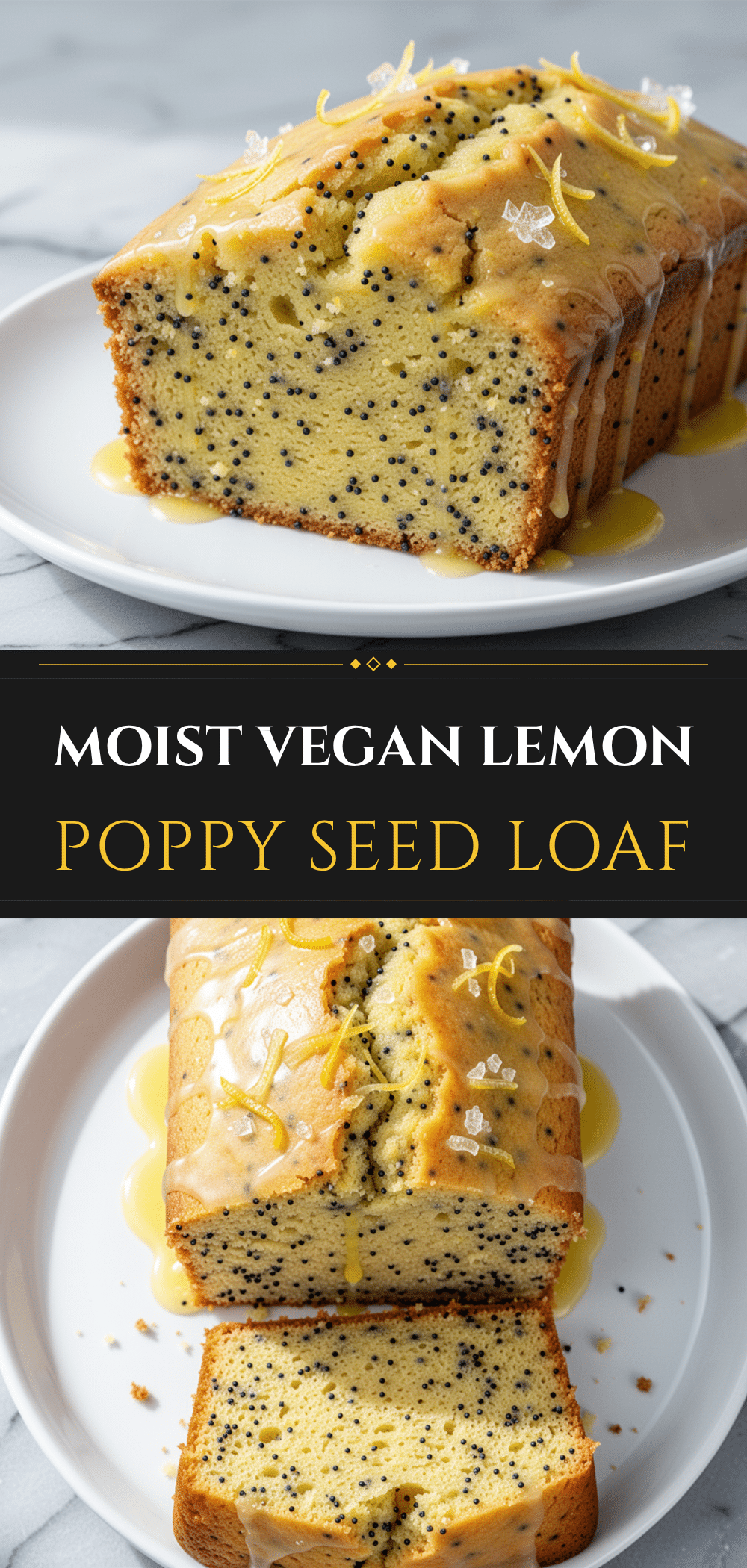

Vegan Lemon Poppy Seed Loaf: 5-Min Bright Citrus Glaze
- Total Time: 55 minutes
- Yield: 8 servings 1x
Description
A moist, tangy, and bright vegan lemon poppy seed loaf with a simple citrus glaze. This easy-to-make bread is dairy-free, egg-free, and perfect for breakfast or dessert.
Ingredients
- 2 cups (250g) all-purpose flour (or 1:1 gluten-free blend)
- 1 cup (200g) granulated sugar
- 2 tablespoons poppy seeds
- 2 flax eggs (2 tbsp ground flaxseed + 6 tbsp warm water)
- 1/2 cup (120ml) neutral oil (e.g., avocado or light olive oil)
- 1/2 cup (120g) unsweetened plant-based yogurt
- 1/2 cup (120ml) fresh lemon juice
- 2 tablespoons lemon zest
- 1 teaspoon baking powder
- 1/2 teaspoon baking soda
- 1/2 teaspoon salt
- 1 cup (120g) confectioners’ sugar (for glaze)
- 2–3 tablespoons fresh lemon juice (for glaze)
- 1 teaspoon lemon zest (for glaze)
- 1/2 teaspoon vanilla extract (optional)
Instructions
- Preheat oven to 350°F (175°C). Grease a 9×5 inch loaf pan and line with parchment paper.
- Prepare flax eggs by mixing ground flaxseed with warm water and letting sit for 5 minutes until gelatinous.
- In a large bowl, whisk together flour, sugar, poppy seeds, baking powder, baking soda, and salt.
- In a medium bowl, whisk together oil, plant-based yogurt, flax eggs, lemon juice, and lemon zest.
- Pour wet ingredients into dry ingredients and stir gently with a spatula until just combined. Do not overmix.
- Pour batter into prepared loaf pan and smooth the top.
- Bake for 45-50 minutes, or until a toothpick inserted in the center comes out clean.
- Let the loaf cool in the pan for 10 minutes, then transfer to a wire rack to cool completely.
- While the loaf cools, whisk confectioners’ sugar, lemon juice, and zest until smooth and pourable.
- Drizzle glaze over the completely cooled loaf and let set for 10 minutes before slicing.
Notes
Zest lemons before juicing. Do not overmix the batter to avoid a dense texture. Ensure baking powder is fresh for proper rising. Cool the loaf completely before glazing to prevent the glaze from melting off. Store in an airtight container at room temperature for up to 5 days.
- Prep Time: 10 minutes
- Cook Time: 45 minutes
- Category: Dessert
- Cuisine: American
Nutrition
- Serving Size: 1 slice
- Calories: 220
- Sugar: 22
- Sodium: 180
- Fat: 7
- Saturated Fat: 1
- Carbohydrates: 38
- Fiber: 1
- Protein: 3
Keywords: vegan lemon loaf, poppy seed bread, gluten-free baking, vegan breakfast, citrus glaze, dairy-free dessert, easy vegan baking